
Choosing a supplier for a bulk mower order is a decision that echoes through every later container. The wrong choice shows up as customs stops, inconsistent batches, or a distributor who loses confidence after one bad delivery. The right choice is built on verifiable evidence: real CE and EPA certification, a functioning factory system, and commercial terms that fit your market. This guide gives importers a practical checklist for screening a qualified supplier before committing volume, so the first order sets up a relationship that scales instead of one that stumbles.
Verify the Certifications First
Start with the documents. Request the CE declaration, the EPA engine certificate, and the ISO 9001 certificate, then check that the model code on the order matches the model covered by the files. A supplier that hesitates here is a supplier to avoid, regardless of how attractive the price looks on the quotation.
Confirm the issuing bodies and, where possible, the accreditation. Certificates from recognized laboratories carry weight with customs and with downstream buyers. Keep a folder per supplier so that every reorder can be re-checked quickly as models evolve, and so a new team member can pick up the file without starting from zero.
Audit the Factory, Not Just the Sample
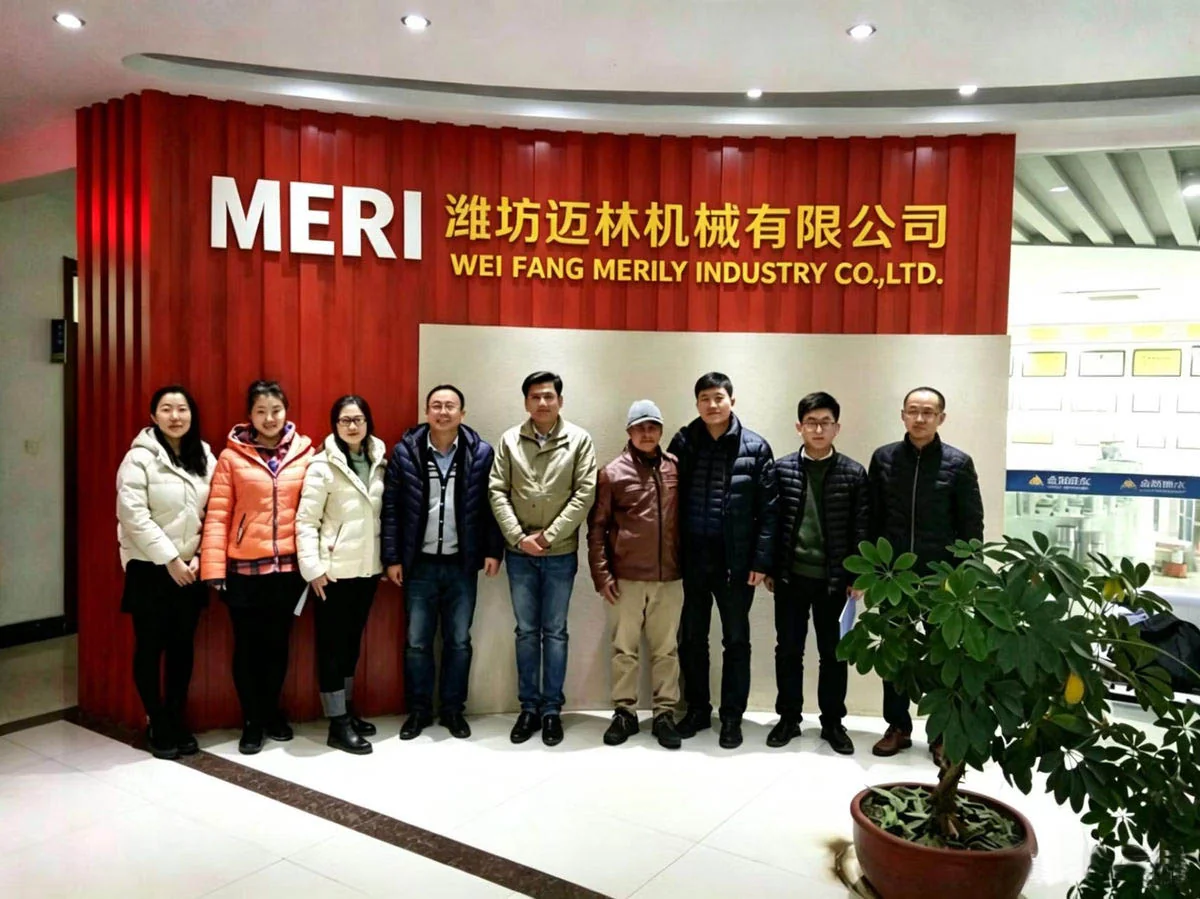
A factory visit or third-party audit reveals whether the quality system is real. Look for incoming inspection, in-process checks, and a finished-unit test before packing. A line that can show these steps running is very different from one that only promises them in a brochure.
Ask to see recent production records and how non-conforming units are handled. A transparent factory treats this as normal business; a hesitant one may be hiding gaps. The audit is your cheapest insurance against a disappointing bulk delivery, because it surfaces problems while they are still cheap to fix.
Understand MOQ and Price Ladder
Minimum order quantity shapes your cash flow and warehouse plan. Clarify the MOQ per model and whether mixed-model containers are allowed, since many distributors prefer a mix that matches local demand rather than a single SKU that may sit unsold in part of the catalog.
Request a price ladder that shows how unit cost drops as volume rises. This lets you model margin at different order sizes and decide whether a larger commitment is worth the working-capital tie-up. A clear ladder also prevents surprise pricing on reorders and makes it easier to plan a full year of purchasing. Knowing your true landed cost per unit is what turns a tempting quote into a workable business case.
Check Production Capacity and Lead Time
Bulk buyers live and die by lead time. Confirm the factory’s realistic capacity for your models and the seasonality of their line, because garden machinery demand peaks before the mowing season in each hemisphere and capacity tightens accordingly.
Build the lead time into your ordering calendar so you are not forced to air-freight or miss the season. A supplier who is honest about capacity is more valuable than one who quotes an aggressive date and then slips repeatedly, because a missed season is often impossible to recover regardless of price.
Evaluate After-Sales and Spare Parts
A bulk relationship extends years beyond the first container. Ask how spare parts are supplied, what warranty terms apply, and how technical issues are supported in your market. Strong after-sales reduces your own support burden and protects the distributor channel that you worked to build. The first container is easy; the second-year support is what proves the partnership.
Suppliers who stock common wear parts and provide exploded diagrams and part numbers make life easier for everyone downstream. This operational maturity is often the clearest sign of a partner built for long-term, high-volume trade, and it is the difference between a transactional vendor and a supply relationship that grows with your business.
Frequently Asked Questions
Should I only consider suppliers with both CE and EPA?
If you serve both the EU and the US, yes, because each market needs its own certification and a single certified line avoids separate production runs. If you sell in only one region, prioritize that region’s certificate but still value ISO 9001 for the consistency it brings to bulk orders.
How much audit is enough before a bulk order?
At minimum, verify the certificates against the exact model and run a pre-shipment inspection on the first production lot. A full factory audit is worthwhile for a large or recurring commitment, and can often be done remotely through a third party at a fraction of the cost of a site visit.
Related reading: Remote control slope mowers, Case studies
Ready to shortlist a supplier? Contact MERI for our certification files, a factory audit pack, and a transparent MOQ and price ladder so you can evaluate a bulk partnership with confidence and move from sample to container without unpleasant surprises.