
A commercial mower brand lives or dies on uptime. Distributors who sell certified equipment but leave service to chance find that one unresolved breakdown spreads faster than any advertisement. Building a local service network, supported by training, spare parts, and service partners, is what turns a product line into a durable brand. This article guides distributors through setting up a service network that protects both the end customer’s operation and the distributor’s reputation.
Why Service Is a Brand Asset
Professional buyers remember who kept their machines running more than who offered the lowest quote. A reliable service network is therefore a competitive asset that earns repeat orders and referrals in the B2B channel.
For certified equipment, good service also preserves compliance, because a unit maintained in its certified condition stays within the standard it was approved for. Service and compliance reinforce each other rather than competing.
Investing in service early, before volume forces it, is cheaper than scrambling after the first failures. The distributors who plan support as part of the launch protect their reputation from the start rather than repairing it later.
Training Your Own Team
Begin with your own staff, because an informed team answers most field questions before they escalate. The manufacturer should provide manuals, guides, and training so your people can diagnose common issues confidently.
Document what you learn in a simple internal knowledge base, because shared notes prevent the same problem from consuming time twice. A learning distributor supports customers faster as the installed base grows.
Train across sales and service, not just technicians, because a salesperson who understands support sets realistic expectations that reduce friction later. Internal alignment is the first layer of any service network.
Consider certifying at least one technician per region if you use partners, because a locally certified contact shortens response time dramatically. Distributed skill is what keeps uptime high across a wide territory.
Spare Parts as the Backbone
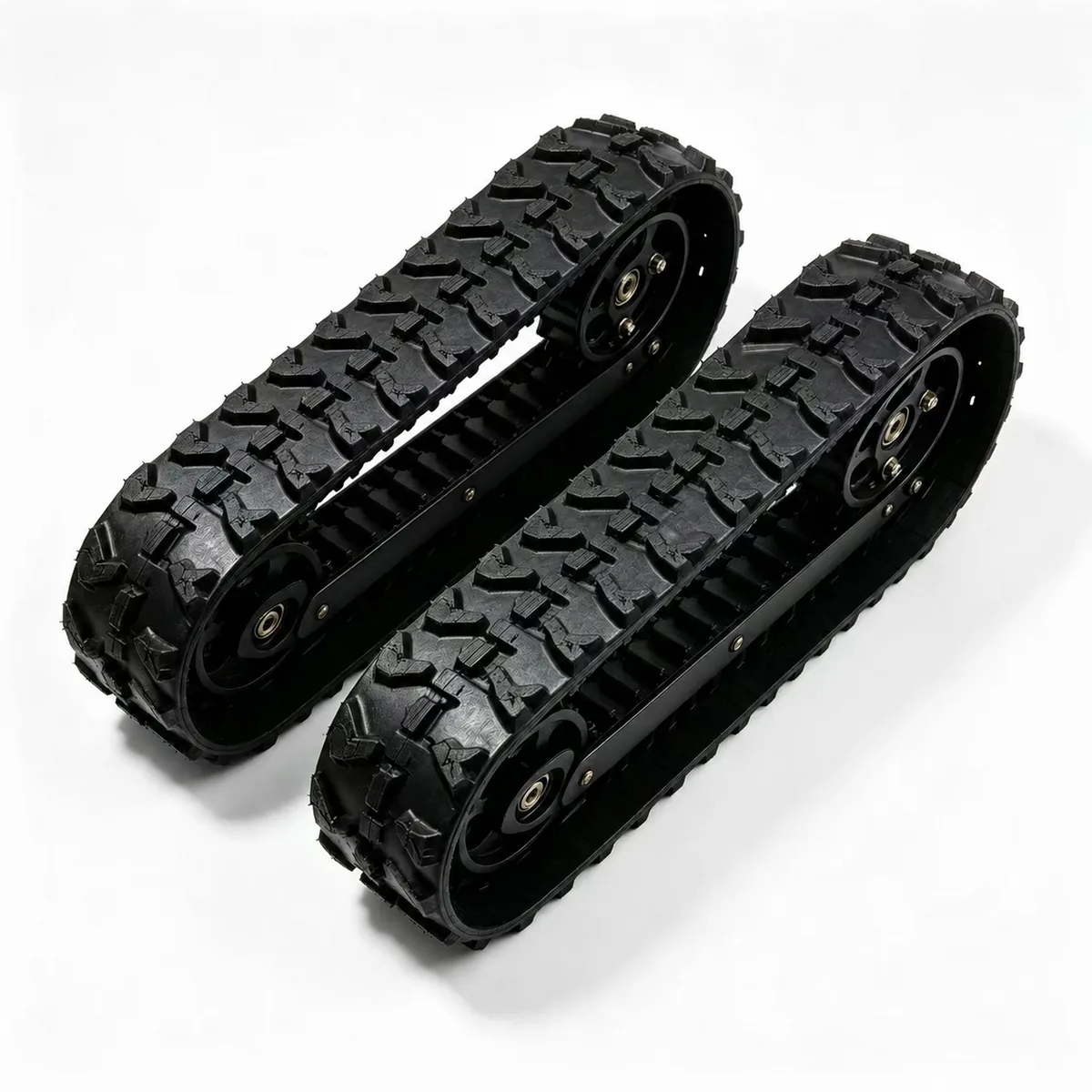
Fast access to wear parts such as blades and tracks is the core of uptime, so stock the fast movers locally and agree on short lead times for the rest with the factory. Parts availability is service in its most concrete form.
Use the supplier’s diagrams and part numbers to order accurately, because guessing part identity wastes time the customer does not have. Organized parts data is what lets a small team serve a large fleet.
Review parts velocity after each season and adjust stock levels, because the right mix changes as models evolve. A living parts plan prevents both shortages at peak and dead stock in the quiet months.
Label and store parts so the fastest movers are most accessible, because in a service call every minute of searching is downtime for the customer. Simple warehouse discipline improves the numbers that matter most.
Working With Local Partners
As volume grows, local service partners extend your reach without building a full in-house network overnight. Choose partners by capability and reliability, and brief them on the certified configuration so repairs stay compliant.
Share documentation and training with partners so the customer experience is consistent wherever they call. A fragmented network confuses buyers, while a coordinated one feels like one brand regardless of location.
Set clear service expectations with partners and review them, because a partner is an extension of your promise. Managing that relationship protects your reputation as surely as your own team would.
Keep a shared parts inventory view with partners where possible, because visibility prevents the duplicate stock and the gaps that both waste money and delay service. Coordinated inventory is a network advantage competitors find hard to copy.
Measuring and Improving
Track response time, first-fix rate, and customer feedback so the network improves with evidence rather than impression. Simple metrics show where to add parts, training, or partner coverage next.
Close the loop with the manufacturer by feeding field findings back, because the factory can adjust the product or its support materials to reduce recurring issues. A service network that learns is one that compounds in value.
Treat service as a recurring program, not a launch task, because the installed base only grows. Distributors who build and measure a network turn support into a lasting advantage their competitors struggle to copy.
Frequently Asked Questions
Do I need my own service team from day one?
Not necessarily. Start by training your own staff and stocking fast-moving parts, then add local partners as volume grows. The key is a coordinated network, whether in-house, partnered, or both, that keeps certified equipment running.
How does service relate to certification?
Maintained equipment stays in the condition it was certified for, and buyers expect supported machinery. A service network protects both compliance and your reputation, which is why it belongs in the launch plan, not after it.
Related reading: After-sales and spare parts, Case studies
Want to build a service network around your mower brand? Contact MERI for training materials, spare-parts diagrams, and after-sales support that help you protect uptime and reputation in your market.