
Not all mowers are built for the same buyer. An ordinary consumer mower and a CE EPA certified commercial mower serve different markets, face different rules, and carry different expectations. For importers and distributors, confusing the two leads to compliance problems and mismatched sales. This article sets out the practical differences so a buyer can choose the right category and a seller can position it correctly in the B2B channel.
What ‘Ordinary’ Usually Means
An ordinary mower typically targets occasional, light-duty use by individual owners. It may be cheaper and simpler, but it is rarely documented for commercial deployment, professional certification, or cross-border resale into regulated markets.
That is not a judgement of quality so much as a statement of intended use. When such a unit is pushed into commercial or export channels it was not built for, gaps appear in documentation, durability, and compliance that the B2B buyer will notice.
The distinction matters because the distribution channel, not the showroom, is where the unit earns its keep. A product built for occasional use rarely survives the demands of daily professional deployment without issues that surface after sale.
Importers should therefore read the intended-use statement, not just the price tag, because the same-looking machine can sit in two very different categories. The category, not the appearance, determines where the product may legally be sold.
The Certification Difference
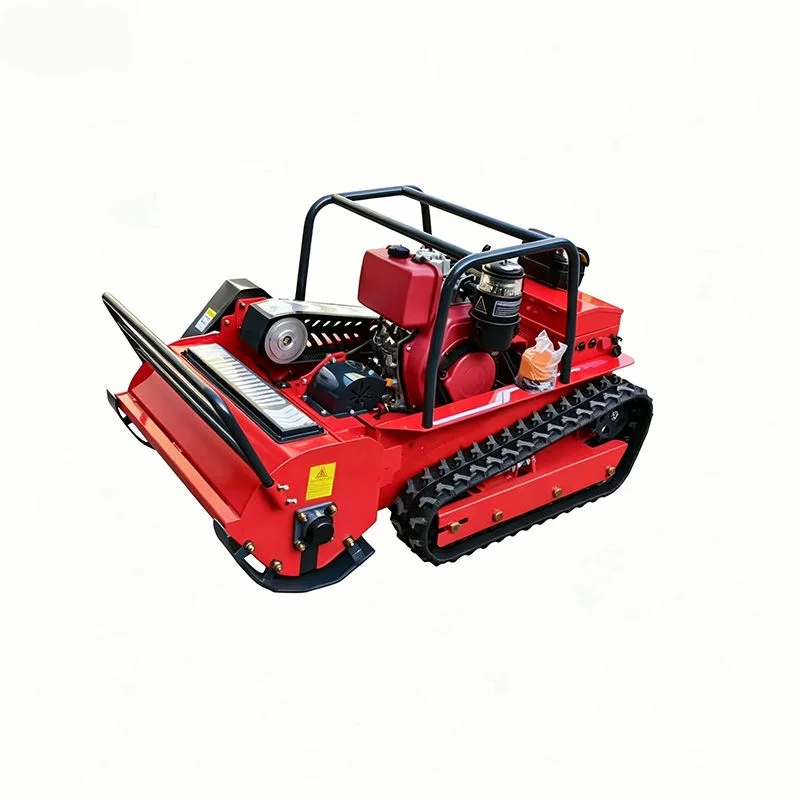
A CE EPA certified commercial mower is built and documented for regulated markets: CE for the EU, EPA for the United States, with ISO 9001 often backing the factory system. The certificate is tied to the specific configuration, not assumed from appearance.
This documentation is what lets the unit clear customs and be sold to professional buyers who specify compliance. Without it, the same machine becomes difficult to import and nearly impossible to resell into the commercial channel the distributor is targeting.
For the importer, this means the certification is not paperwork to minimize but the license to operate in the target market. Treating it as optional is the most common reason a seemingly cheap unit becomes expensive once borders and buyers are involved.
Certification also signals to professional buyers that the supplier understands their world, which shortens trust-building. A documented unit is easier to specify into a tender than one whose compliance status is unclear or unverified.
Build and Durability
Commercial grades are generally built for longer hours, tougher terrain, and repeated professional use, with stronger components and serviceability in mind. That shows up as steadier performance in the field and lower failure rates under load.
For the distributor, durability translates into fewer returns and a stronger brand promise. A commercial buyer paying professional prices expects professional endurance, and certified commercial equipment is engineered to meet that expectation consistently.
The commercial grade also tends to be more serviceable, with parts and diagrams that keep it running, which matters when downtime costs the user money. That serviceability is part of what the professional buyer is actually paying for.
Stronger build also means a more predictable maintenance schedule, which professional users plan around. Predictability, more than any single feature, is what earns a commercial product a place in a managed fleet.
Resale and Legal Fit
Certified commercial mowers fit the procurement rules of landscapers, municipalities, and contractors, who often require CE or EPA evidence. Ordinary units usually cannot satisfy those requirements and therefore cannot reach the same buyers.
The legal fit also protects the distributor: selling compliant equipment avoids the customs and liability problems that come with mislabeled or uncertified goods. The certification is what makes the product salable in the intended B2B market.
Positioning the right category also avoids the awkward moment of explaining to a professional buyer why a unit cannot meet their requirements. Matching product to market is simpler and more profitable than arguing around a mismatch after the sale.
Resale value is also more stable for certified commercial equipment, because a second owner faces the same compliance expectations. That residual value is a quiet but real part of the total cost of ownership.
Choosing the Right Category
Importers should match the product to the target buyer rather than chase the lowest unit cost. If the channel is professional and cross-border, certified commercial equipment is the correct, defensible choice despite a higher starting price.
Distributors who position certified commercial mowers clearly, with the documentation to prove it, win the professional segment and avoid the support and compliance headaches of selling the wrong category into the wrong market.
When in doubt, ask where the unit will actually be used and who will specify it, because that answer determines the category. Aligning the product, the paperwork, and the buyer is what turns a shipment into a sustainable line.
Frequently Asked Questions
Is a certified mower always better than an ordinary one?
For professional and cross-border B2B use, yes, because it is documented, durable, and legally fit for that channel. For casual individual use, an ordinary unit may be sufficient, but it does not serve the commercial buyer.
Can an ordinary mower be certified later?
Certification is established at the manufacturing and testing stage and tied to the specific configuration. It cannot simply be added afterward, so the category decision must be made before the product is built and imported.
Related reading: Remote control slope mowers, MERI product range
Choosing between ordinary and certified commercial mowers? Contact MERI to compare certified commercial models with the documentation your B2B channel requires for the EU and US markets.