
When an importer places a bulk order of garden machinery, the deal is won or lost on consistency. A single perfect sample proves nothing if the fifth container differs from the first. This is where a factory quality system matters more than any individual certificate. An ISO 9001 managed factory builds controls into the production line so that every unit, and every batch, matches the approved sample. This article explains how that system works and why it protects buyers placing large or repeat orders, where a small drift in quality can become a large problem across hundreds of units.
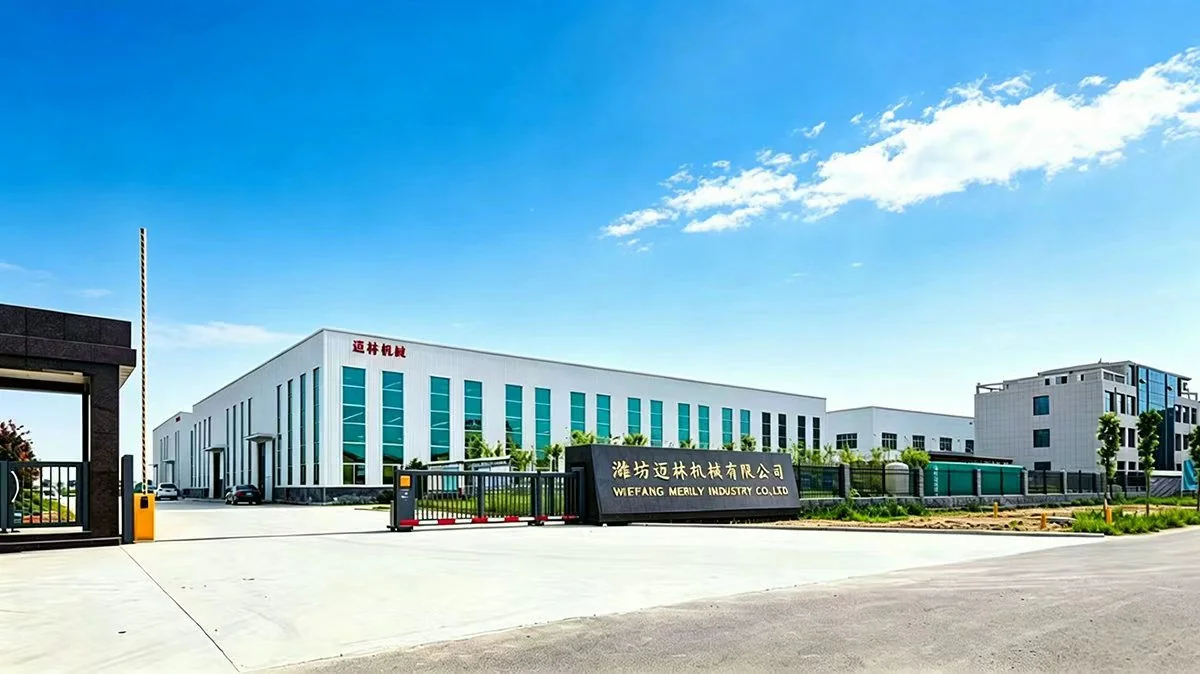
Why Consistency Beats the Perfect Sample
A showroom sample can be hand-built and polished. What an importer actually receives is a production run made under normal conditions, and that is where variation creeps in. Buyers who judge a supplier only by the sample often discover the gap only after the goods arrive and the distributor starts returning units.
A documented quality system closes that gap. It defines how parts are received, how assembly is checked, and how deviations are recorded and corrected. The result is that container number ten looks like container number one, which is what a distributor needs to keep promises to customers and to avoid the reputational cost of inconsistent product in the field. It is the quiet difference between a supplier you can scale with and one you constantly police.
What ISO 9001 Actually Controls
ISO 9001 is a standard for a quality management system, not a product test. It requires the factory to define its processes, train staff against them, monitor results, and act on non-conformities. The certificate shows the system exists and is audited by an external body on a recurring basis.
In practice this means incoming parts are inspected, key assembly steps are checked, and finished units pass a defined test before packing. For a buyer, the value is predictability: the factory can explain and reproduce how a unit is made, not just claim it works. That explainability is what survives a serious customer audit.
Bulk Orders and Batch Uniformity
Large orders are usually split across several production weeks. Without a system, slight changes in a component supplier or a settings tweak can shift the output. An ISO-managed line captures those changes and either approves them through review or rejects them before they reach the container, keeping the run stable.
For the importer, this translates into fewer surprises at the receiving dock. When a distributor opens units from different batches, they perform the same way, which protects the brand and reduces returns driven by inconsistency rather than isolated defects. Stable batches are what make a bulk program scalable.
Audits and Traceability
A real ISO system supports traceability. Production records link a finished serial number to the parts batch and the test result, so a problem found in the field can be traced back and contained. This is far stronger than anecdotal quality assurance based on memory or goodwill.
Importers can request the factory’s recent internal audit summary or arrange a third-party audit. A supplier confident in its system welcomes this, because the evidence is already organized. That openness is itself a strong signal of a reliable manufacturing partner who has nothing to hide from a buyer’s review.
Pairing ISO With Product Certification
ISO 9001 manages how the machine is made; CE and EPA confirm it meets regional requirements. The two complement each other. A certified product built in an uncontrolled factory can still vary batch to batch, while a well-controlled factory that skips certification creates customs problems at the border.
The strongest supply relationship combines both: a quality system that keeps every unit consistent, plus the certifications that let it cross borders. For bulk importers, that combination is what turns a purchase order into a dependable, repeatable supply that the distributor can sell with confidence season after season.
Frequently Asked Questions
Does ISO 9001 certify the product itself?
No. ISO 9001 certifies the factory’s quality management system, not the individual machine. It tells the buyer the product is made under controlled, repeatable processes. Product-specific compliance such as CE or EPA is handled by those certifications separately and should be verified on their own.
How can I verify a factory really runs ISO 9001?
Ask for the current certificate with the issuing body named, then check it covers the site and scope of production. A third-party or remote audit of the line, plus a review of recent internal audit records, confirms the system is active rather than just documented on a shelf.
Related reading: Case studies, MERI product range
Planning a bulk order and worried about consistency? Contact MERI to review our ISO 9001 quality system, recent audit records, and a sample inspection plan that keeps every container matched to the approved unit, so your volume program stays predictable.