
A documented remote mower pre-delivery inspection checklist helps importers, distributors, contractors and fleet buyers confirm that the received machine matches the order before it enters service. The goal is traceability: record what was checked, who checked it, any exceptions and the agreed corrective action. This guide is a procurement framework, not a substitute for the manufacturer’s model-specific manual.
Prepare the purchase-order evidence
Before opening the package, gather the signed quotation, purchase order, configuration list, packing list, serial-number information, manuals and agreed accessories. Assign one person to control the inspection record. If multiple machines are involved, use a separate sheet for each unit so photographs and exceptions cannot be mixed.
Inspect packaging before unpacking
Photograph every side of the crate or carton, labels, seals and any impact, moisture or tilt indicators before removing anything. Note the delivery time and carrier details. Visible damage does not automatically prove machine damage, but the original condition is important for a freight claim. Keep packaging until the equipment and accessories are reconciled.
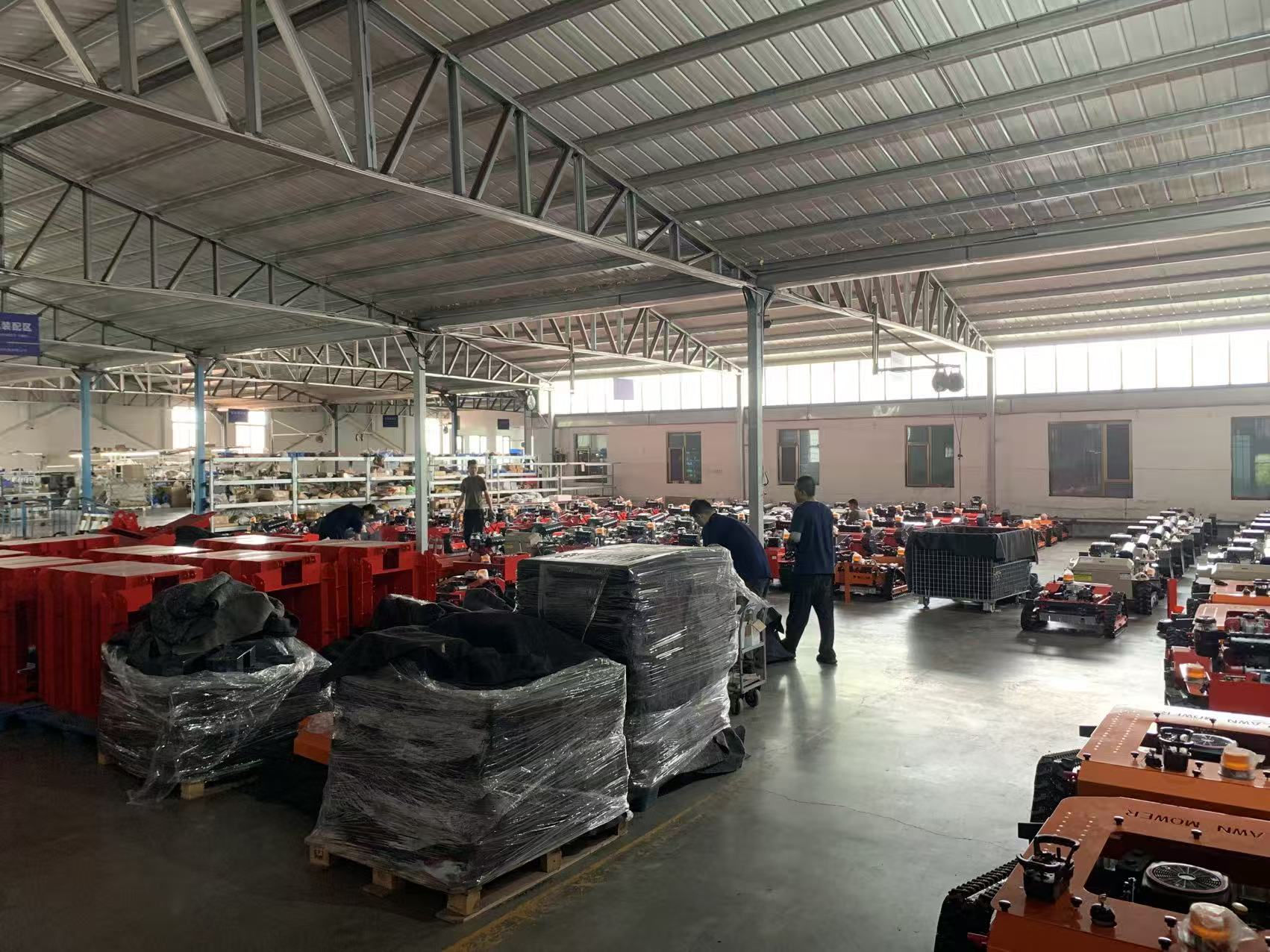
Confirm identity and ordered configuration
Match the product identity, serial number and supplied configuration to the order documents. Check that engines, batteries, chargers, controllers, cutting equipment and optional items correspond to the written agreement without assuming compatibility from appearance. If a regulatory document was part of the purchase, confirm that the model and identifiers on the document match the delivered unit; our certificate verification guide explains why document matching matters.
Perform a careful external walkaround
With the machine secured and powered down, look for transport damage, loose fasteners, fluid leakage, damaged guards, pinched wiring, hose abrasion and displaced connectors. Inspect tracks or wheels, blade-area guards and accessible safety labels. Do not reach into the cutting area or energize the machine until the manual’s safe inspection procedure is understood.

Reconcile accessories, tools and documents
Count remote controllers, keys, chargers, antennas, tools, spare items and attachments against the packing list. Confirm that manuals and maintenance information are available in the agreed language. Record missing items immediately rather than waiting until commissioning. Distributors should also verify which wear parts are intended for local stock; see the after-sales and spare-parts guide.
Review fluids, batteries and connections safely
Follow the exact manual for transport preparation and commissioning. Depending on the configuration, transport rules may require fluids, battery isolation or other measures. Do not fill, connect or start based on a generic checklist. Have a trained technician verify the model-specific steps, correct supplies and surrounding work area.
Check controls and safety functions in a controlled area
Only after the static inspection is accepted should an authorized person conduct functional checks. Establish an exclusion zone on firm, level ground away from traffic and bystanders. Confirm controller pairing, neutral state, direction response, emergency stop and shutdown behavior exactly as the manual specifies. Do not test cutting functions near people or loose debris. Record results without inventing pass criteria beyond the manufacturer’s instructions.
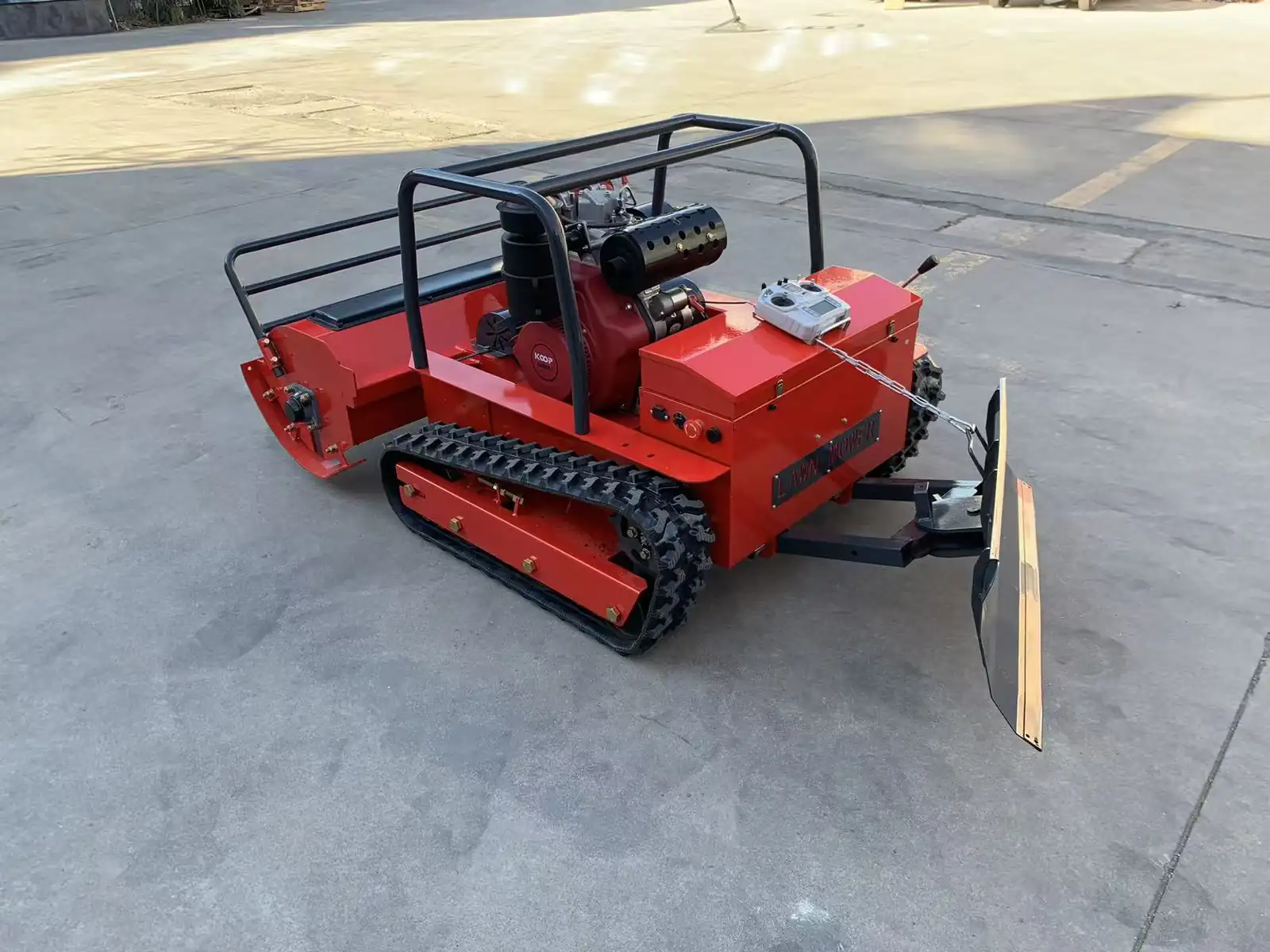
Use a short commissioning run
A commissioning run should verify basic movement, steering, unusual noise, warning indications and visible leaks under controlled conditions. It is not a maximum-slope or maximum-load demonstration. Any abnormal condition should stop the check until the supplier or qualified technician provides direction. Save video or photographs when they help explain an exception.
Document acceptance and exceptions
The record should include unit identity, date, inspector, checklist version, photographs, missing items, damage, functional-check outcome and corrective-action owner. Separate minor observations from issues that prevent safe commissioning. Obtain written agreement on parts replacement, technical guidance, freight claims or other remedies before the machine is released to an operator.
Buyer checklist summary
- Purchase order, configuration and packing list available.
- Packaging photographed before opening.
- Machine and document identities matched.
- External condition and accessible safety items checked.
- Accessories, manuals and spare items reconciled.
- Model-specific commissioning steps reviewed.
- Controlled functional check completed by an authorized person.
- Exceptions assigned, dated and closed in writing.
Frequently asked questions
Who should perform pre-delivery inspection?
A trained person familiar with the delivered configuration and its manual should lead it. Procurement can verify documents, while technical and safety checks belong with competent personnel.
Should a buyer test the machine on a steep slope during delivery?
Not as an initial acceptance check. Begin on a controlled, level area and follow the manufacturer’s commissioning instructions. Site work requires separate training and risk assessment.
What if an item is missing or damaged?
Preserve packaging and evidence, identify the affected unit, notify the responsible supplier or carrier promptly, and obtain written corrective action before acceptance where appropriate.
Prepare a clear handover
Contact MERI before shipment if your organization needs configuration, document or support questions clarified for its receiving checklist.