
A sprayer can look completely ready at first glance, even while a chafing hose, clogged filter or unresponsive controller threatens to derail the first orchard run. Use this practical agricultural sprayer daily inspection checklist before each shift to catch visible problems, confirm the machine responds, and give the operator a clear go/no-go decision.
Why a repeatable pre-start check matters
Orchard work puts equipment around branches, uneven ground, spray lines and other people. A consistent check helps the crew find a loose connection or damaged component while the machine is parked, when it is easier to deal with safely. It also gives operators a shared routine instead of relying on memory or waiting for a fault to appear during application.
This is an operator-level visual and functional check, not a substitute for scheduled servicing. Follow the manual supplied with your machine and the instructions for its installed engine, pump and remote-control system. Component configurations can vary by order.
A practical agricultural sprayer daily inspection checklist
- Walk around the machine. Look for fresh damage, loose parts, missing covers, debris around moving components and anything that could catch a hose or track. Confirm guards are in place before starting.
- Check the tank and visible fluid lines. Confirm the tank is secured and inspect accessible hoses, clamps and fittings for rubbing, cracks, kinks, wet spots or drips. Do not reach into moving parts or open a pressurized line.
- Look over the pump area. Check for visible leakage, unusual residue, loose external connections or signs of impact. If the pump sounds different or the leak source is unclear, stop and refer the machine to a qualified technician.
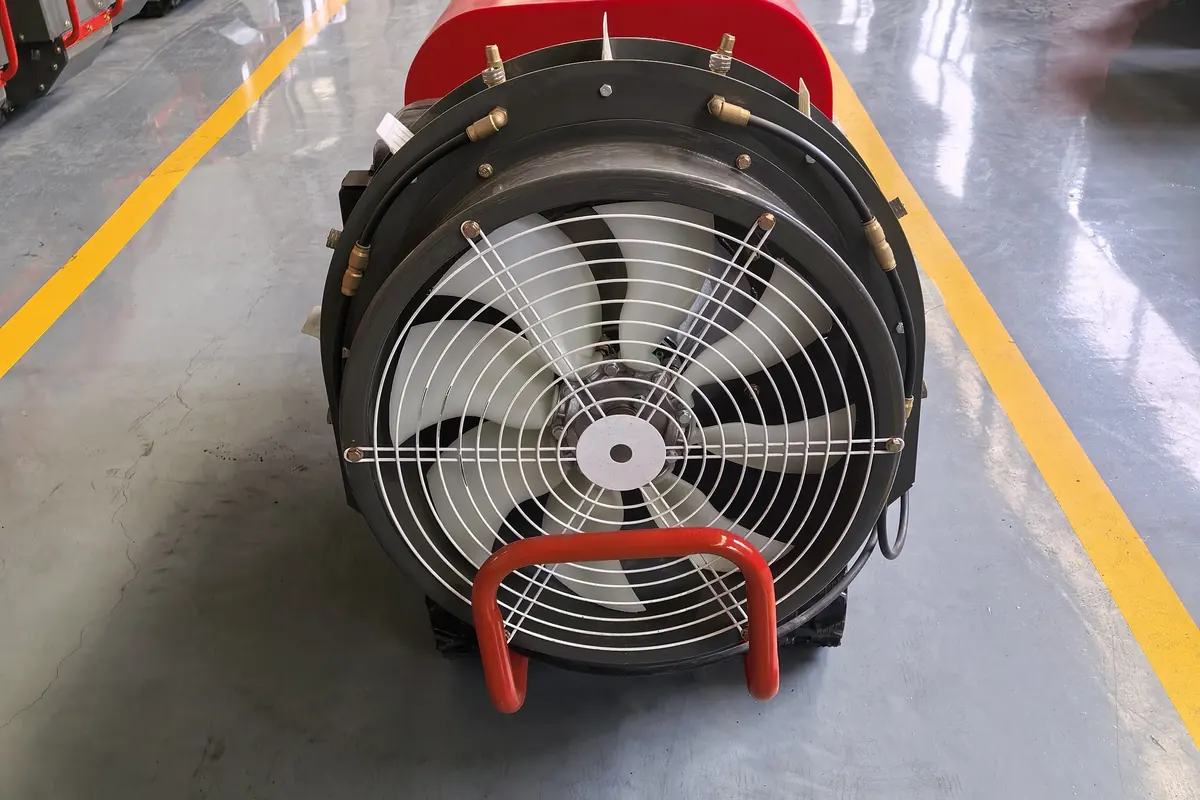
- Inspect the fan and guard. Make sure the guard is secure and the air path is clear of loose material. Keep hands and tools away from the fan; never run the sprayer with a damaged or removed guard.
- Check spray outlets from a safe position. Look for visibly damaged, missing or obstructed nozzles. Do not clear a nozzle by mouth or while the system is pressurized. Use the cleaning method specified for the installed nozzle and sprayer.
- Check tracks and the travel area. Look for packed debris, visible damage or anything that could interfere with movement. Clear the work route of people and obstacles, and identify slopes, tight turns and overhead or ground hazards before moving.
- Confirm remote-control response. Follow the machine manual to check the transmitter, emergency stop and machine response in a clear, controlled area. If commands are delayed, intermittent or inconsistent, stop; do not bypass a safety function.
- Run a clean-water function check. Where the manual allows, use clean water to confirm normal operation and look for unexpected leaks or irregular output. Keep people clear of the discharge area and use the operating procedure for your exact configuration.
When to stop instead of starting the job
Hold the machine out of service if you find a fluid leak, damaged guard, exposed or damaged wiring, unexpected track damage, abnormal vibration or noise, loss of remote response, or a spray pattern that remains irregular after the approved basic checks. Mark the issue, keep the machine parked, and ask a qualified technician to diagnose it. Do not adjust pressure or dismantle components based on guesswork.
Make the check useful for the whole crew
Record the date, machine identification, operator, visible issue and action taken. A simple log helps the next operator understand what was found and whether the machine was cleared to work. If output looks uneven, keep that issue separate from general start-up checks and use a repeatable nozzle-output and coverage test; the procedure is covered in MERI’s guide, Airblast Sprayer Fan Reach and Canopy Coverage and MERI’s published guide to pump and nozzle selection.
Operator checklist at a glance
| Area | Look or test for | Hold the machine if |
|---|---|---|
| Hoses and pump | Visible leaks, damage, rubbing | Leak source or damage is unresolved |
| Fan and guards | Secure guard and clear air path | Guard is damaged or missing |
| Remote and travel | Expected response in clear area | Control is intermittent or abnormal |
| Spray outlets | Visible damage or blockage | Output remains irregular after approved checks |
Frequently asked questions
How often should operators inspect an orchard sprayer?
Use this walk-around before each operating shift and repeat checks whenever a new fault, leak or unusual behavior appears. Follow the intervals in the machine and component manuals for scheduled maintenance.
Can I use the checklist instead of the service manual?
No. It covers visible operator checks and a controlled function check. Service intervals, adjustments and repairs depend on the exact machine configuration and component manuals.
Should I test spray output with pesticide?
Use the test method specified for the machine and nozzle. A clean-water check can help identify visible issues; any pesticide use must follow its product label and local requirements.
What should I do if the remote control responds intermittently?
Stop in a safe position and follow the troubleshooting steps in the supplied remote-control manual. Do not continue application or bypass a safety feature; refer unresolved faults to a qualified technician.
Build a safer, more consistent start to the workday
A short, repeatable inspection makes the operator’s decision clear: the sprayer is ready for the planned check, or it needs attention before work begins. For machine configurations and available options, see MERI’s tracked remote-control agricultural sprayers and share your crop, terrain and operating requirements with the team.
Reference basis: MERI RCS Series Airblast Sprayer bilingual manual; Oregon State University Extension Service maintenance guidance for air-blast sprayers; Cornell Cooperative Extension pre-season air-blast sprayer guidance. Follow the instructions supplied with the actual machine and components.
Need a agricultural sprayer recommendation for your terrain or project?
Get a Quote