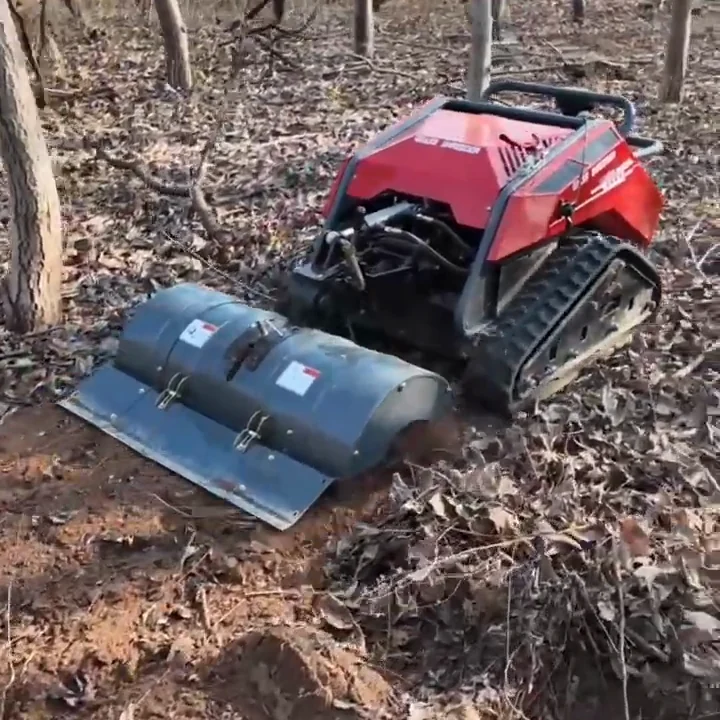
Using a rotary tiller for seedbed preparation on small farms starts with matching the job to the soil, crop, machine and finish you need. A good seedbed is ready for the next planting operation; soil that only looks finely broken is not automatically better.
Start by Naming the Job
Are you opening a new plot, refreshing an existing bed, incorporating surface residue or breaking clods after another operation? The answer helps determine the implement and pass plan. Surface tillage does not replace decisions about drainage, soil structure, residue management or crop needs.
Check Soil Conditions Before Entering
Soil that is too wet can smear or compact. Very dry or hard soil can be difficult to work and may leave clods. There is no single moisture threshold for every field: check the actual soil and follow local agronomic guidance. If the soil is not workable, wait rather than forcing a poor finish.
Match the Setup to the Plot
Compare the working width and attachment arrangement with field access, bed spacing, headlands, turning room and the machine carrying the implement. Follow the carrier and attachment instructions; do not assume every attachment fits every carrier or task. Confirm the pairing before work if anything is unclear.
Walk the Field First
Look for rocks, wire, irrigation lines, roots, stumps and other hazards. Mark what must be avoided, identify field edges and plan a route that limits unnecessary turns. Do not make sharp turns with the implement engaged unless the operating instructions allow it.
Start with a Short Test Pass
Check soil breakup, remaining residue and bed shape against the crop and next operation. Adjust only within the machine instructions and the needs of the field. More passes are not automatically better: unnecessary tillage can affect soil structure and use extra time and energy. Stop when the required seedbed is ready for the next step.
Practical Field Checklist
- Confirm the target crop and next field operation.
- Identify the tillage task.
- Assess soil workability.
- Verify the carrier and attachment instructions.
- Check gate access, bed spacing and turning room.
- Walk the area and flag hazards.
- Plan the route and make a short test pass.
- Inspect the finish and avoid unnecessary repeat passes.
Frequently Asked Questions
Is a rotary tiller suitable for every small-farm field?
No. Match the machine, attachment and setup to the crop, soil and field conditions.
Can I till wet soil?
Wet soil can smear or compact. Check field conditions and wait until the soil is workable.
How many passes should I make?
Use the fewest passes that achieve the required finish, within the machine instructions and the needs of the field.
Prepare Your Soil with the Right Equipment
Explore MERI’s multi-function remote-control mower platform and confirm whether an available configuration suits your small-farm application.
Need a mower recommendation for your terrain or project?
Get a Quote