
Wholesale buying is a balance between unit cost, cash flow, and the reality of container logistics. The three levers an importer controls are minimum order quantity, the price ladder that rewards volume, and how efficiently a container is loaded. Used well, they turn a tempting quote into a profitable, shippable order. Used poorly, they create a container that is either too expensive to move or too empty to be worth the freight. This guide explains how to plan all three before committing volume.
Reading the MOQ
Minimum order quantity is the factory’s smallest acceptable run, and it sets the floor for your commitment. A low MOQ helps a new distributor test a market with less capital, while a higher MOQ usually unlocks a better unit price that improves margin at scale.
The right MOQ depends on your sales confidence and warehouse capacity. Ask whether mixed-model containers count toward the MOQ, because many distributors prefer a mix that matches local demand over a single SKU that may sit partly unsold. Flexibility here protects both cash and sell-through.
A practical tip is to start at the MOQ with a market test, then scale into the better price tiers only once sell-through is proven. This sequences risk: a small commitment first, larger volume once the demand signal is real.
Using the Price Ladder
A price ladder shows how unit cost drops as volume rises, and it is the tool for modeling margin at different order sizes. Map the ladder against your expected sell-out to find the volume where the price becomes attractive without overcommitting working capital.
Request the ladder in writing and confirm it applies to reorders, not just the first order. A transparent ladder lets you plan a full year of purchasing and avoid the unpleasant surprise of a higher price when you return to scale up after the initial test sells well.
Container Loading Efficiency
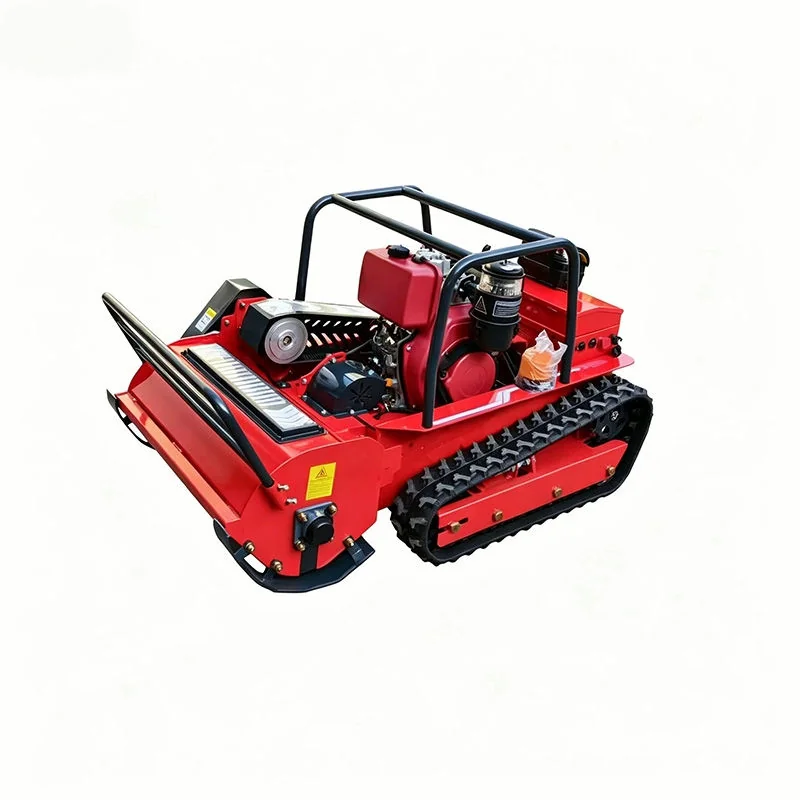
Freight is largely paid per container, so how you fill it drives the true landed cost per unit. A well-planned mix of mowers and attachments uses cubic space and weight limits together, avoiding a container that is full by volume but light, or heavy but half empty.
Work with the factory on a loading plan that balances the models you actually sell. A thoughtful plan can meaningfully lower per-unit freight, which often matters more to margin than a small change in factory price. Treat loading as a pricing input, not an afterthought.
Involve the factory early in the loading plan, because they know packed dimensions and weights better than anyone. A loading drawing reviewed before production avoids the awkward moment of discovering the container will not close.
Cash Flow and Timing
A larger order saves unit cost but ties up cash and warehouse space. Model the timeline from deposit to resale, and confirm the factory lead time fits your selling season, because the cheapest unit price is worthless if the goods arrive after demand has passed. Building the order calendar backward from the peak selling weeks is the simplest way to avoid both a stock-out and a cash crunch.
Staggering orders across the season can smooth cash flow while still capturing volume pricing on annual totals. Discuss with the supplier whether a framework agreement locks the ladder while letting you release containers on a schedule that matches your market.
Avoiding Common Mistakes
The classic mistake is chasing the lowest unit price with an order so large it strains cash and risks obsolescence before sale. The second is ordering too small to reach a viable price, then paying high freight per unit on a half-empty container.
The balanced approach sets the MOQ to your test plan, uses the ladder to pick a sustainable volume, and loads the container for true cost efficiency. Buyers who plan these three together consistently outperform those who negotiate only on factory price.
Another trap is splitting the decision across teams, where purchasing chases price while logistics discovers the freight too late. Aligning the buying, freight, and sales plans around one container plan keeps the true landed cost visible and prevents unpleasant surprises at delivery.
Frequently Asked Questions
Can I mix models to reach the MOQ?
Often yes, and many distributors prefer it because a mixed container better matches local demand. Confirm with the factory whether the MOQ applies per model or per combined order, since the answer changes how you plan the first shipment.
How does container loading affect my real cost?
Freight is mostly per container, so per-unit cost falls as you load efficiently. A plan that balances models, weight, and volume can lower landed cost more than a small factory discount, making loading a key pricing decision.
Related reading: MERI product range, 2026 B2B procurement trends
Planning a wholesale order? Contact MERI for our MOQ terms, a transparent price ladder, and a container loading plan that lowers your true landed cost while fitting your sales season and cash flow.