
Effective remote mower dealer territory planning starts with a practical question: where can your team sell, demonstrate, deliver, and support equipment consistently? A wide map may look impressive, but long travel days can weaken follow-up and make service harder to coordinate.
Map demand by application, not by postcode alone
Begin with the customers who are likely to have a genuine use for remote mowing. These may include landscape contractors, municipal buyers, vegetation management firms, solar and utility sites, orchards, and steep-slope operators. Group accounts by application and buying cycle so the team can see where similar needs cluster.
A seasonal roadside contractor and a year-round industrial-site operator may sit near each other but require different conversations, demonstrations, and support. Record both location and intended work before drawing a boundary.
Use drive time to define the real service radius
Mileage circles rarely show traffic, ferry crossings, mountain roads, or loading time. Use realistic door-to-site travel estimates and include the time required to prepare a demonstration unit, unload safely, complete an operator handover, and return to base.
Write down what the team can deliver consistently in each area. If every visit consumes a full day, the territory may need scheduled route days, a local partner, or a narrower direct-service promise.
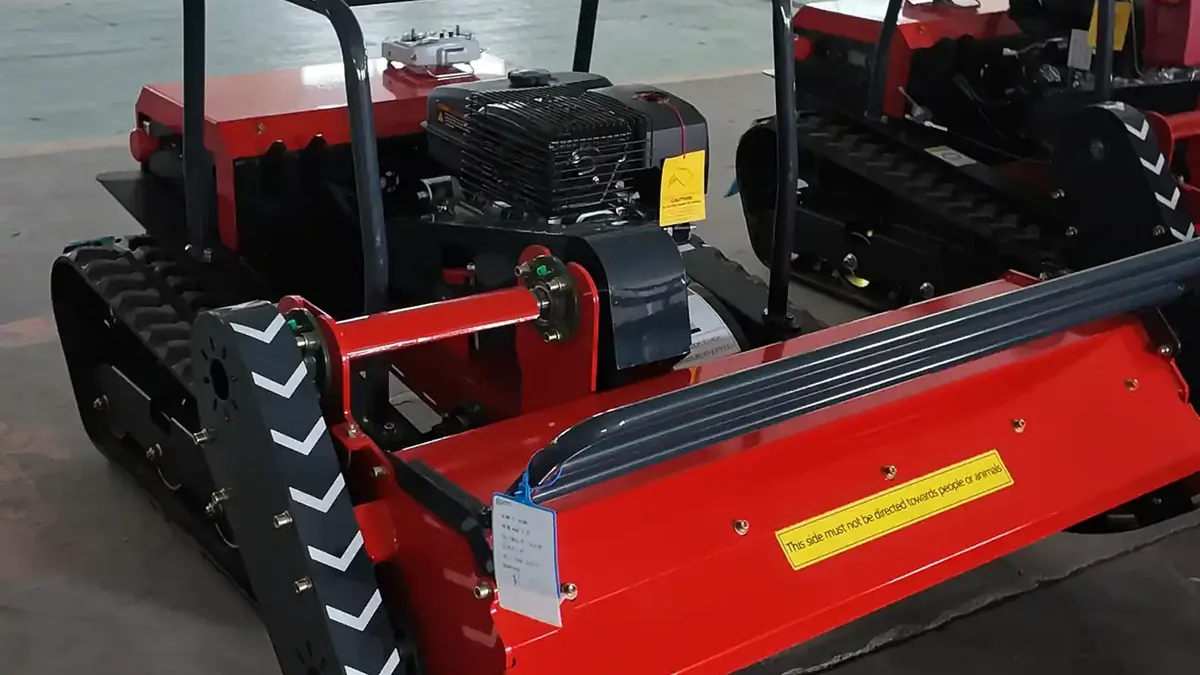
Build three coverage zones
| Zone | Typical approach | Evidence to monitor |
|---|---|---|
| Core | Regular visits, direct demonstrations, routine delivery and service coordination | Lead density, travel time, demo availability |
| Development | Planned route days, targeted outreach, scheduled demonstrations | Qualified opportunities, route cost, conversion stage |
| Referral or partner | Local cooperation, planned handover, clearly defined responsibility | Partner capacity, response path, customer ownership |
Give every lead a clear owner
Territory boundaries only work when everyone knows who responds. Track lead source, application, location, travel time, demonstration outcome, quotation stage, and expected after-sales workload. If two people share an area, document the handoff rule before a customer receives conflicting messages.
Connect this record with the dealer lead qualification checklist and the remote mower demo checklist. These keep site facts and next steps attached to the opportunity.
A 90-day territory review
- Days 1–30: map existing accounts, target sectors, historical drive times, and service calls.
- Days 31–60: define the three zones, assign ownership, and plan demonstration routes.
- Days 61–90: compare leads, travel, demonstrations, quotations, and support workload; adjust weak boundaries.
Review the map quarterly and after any major change in staffing, service capacity, or customer concentration. Good remote mower dealer territory planning creates clear ownership and dependable coverage without stretching the team beyond what it can support.
Need a mower recommendation for your terrain or project?
Get a Quote