
The United States is a large and attractive market for garden machinery, but federal emissions rules shape what can actually be imported and sold. For any mower powered by a gasoline or diesel engine, EPA certification is not optional. Distributors and importers who overlook it risk shipments that cannot be cleared or equipment that cannot be registered for commercial use. This article explains what EPA covers for mower engines, why it matters for the US channel, and the checks a buyer should perform before booking freight, so that a US launch is built on a certificate rather than a assumption.
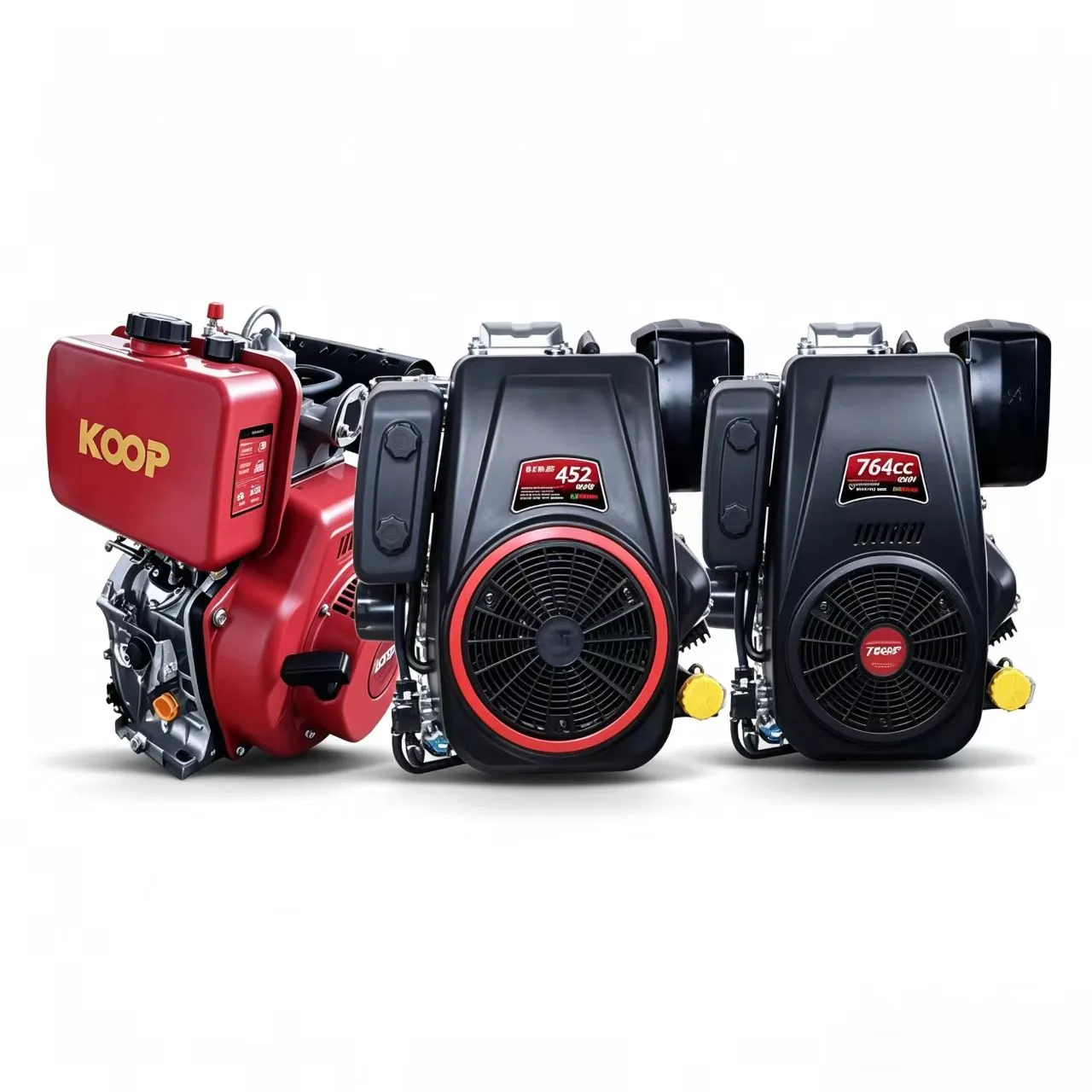
What EPA Certification Covers
The US Environmental Protection Agency sets emission standards for non-road spark-ignition and compression-ignition engines, which include the power units used in remote control and commercial mowers. Certification confirms that a given engine family meets those standards through testing and an approved application filed by the manufacturer.
The certificate is tied to the engine family and the manufacturer’s application, not to a generic product photo. Importers should confirm that the exact engine fitted to the mower is the one named in the EPA certificate, because substitutions can break compliance even when the machine looks identical on the outside. A careful buyer checks the engine label, not just the model name.
Why It Matters for the US Channel
Commercial buyers in the United States, from landscaping contractors to municipal grounds crews, expect equipment that meets federal requirements. A dealer who cannot show EPA compliance may be unable to register or service the unit, and that limitation directly restricts resale and the size of the addressable market.
Beyond legality, EPA certification signals that the engine has been engineered and tested to a known standard. For a distributor building a brand, selling certified equipment reduces warranty and reputation risk compared with sourcing uncertified units of unknown origin, and it reassures professional end users who specify compliance in their own procurement.
Verifying Before You Import
Request the EPA certificate number and the engine family details from the supplier, then confirm they match the unit on the order. A responsible manufacturer provides this as part of the quotation, not as a last-minute document that arrives after the container has sailed.
Combine the EPA check with a pre-shipment inspection that records the engine label and serial number. This creates a paper trail proving the certified engine is the one actually shipped, which is exactly what a US buyer or auditor will want to see, and it protects the importer if a question arises months after delivery. Building this check into the supplier scorecard early prevents the most common import surprises and keeps the launch on schedule.
EPA and the Broader Compliance Picture
EPA handles emissions, while CE handles EU machinery safety, and ISO 9001 covers the factory system. Exporters serving both markets often certify to all three so the same product line can be offered in the US and the EU without a separate production run that complicates inventory and forecasting.
For a US-focused importer, the priority is EPA first, supported by a quality system that keeps batches consistent. When the factory also holds ISO 9001, the buyer gains confidence that every container matches the certified sample, which matters when a single inconsistent batch could trigger a service or compliance complaint.
Avoiding Costly Missteps
The most expensive mistake is discovering non-compliance after the container arrives. Freight, duties, and storage can exceed the value of the goods, and the only options are rework, return, or discounted resale outside the intended market, none of which recover the lost season.
Build compliance verification into the purchase order. State the required certification explicitly, ask for the file with the proforma invoice, and refuse to book freight until it is confirmed. This discipline protects margin and the distributor relationship alike, and it turns compliance from a gamble into a documented step in the buying process. Treating compliance as a documented step rather than a hope is what separates a smooth US entry from a costly one.
Frequently Asked Questions
Is EPA the same as CARB for California?
No. EPA is the federal baseline for non-road engines, while California’s CARB can impose stricter state-level requirements. If you sell into California, confirm whether CARB compliance is also needed on top of federal EPA certification before you commit to a volume order.
Does EPA apply to electric mowers?
EPA engine certification targets gasoline and diesel power units. Battery-electric mowers avoid the engine-emission standard, but they still need to meet applicable electrical safety and labeling requirements for the market they are sold in, so compliance does not disappear entirely.
Related reading: MERI product range, Remote vs robot mowers
Exporting mowers to the United States? Contact MERI for EPA-certified engine families, the matching certificate details, and a pre-shipment inspection plan that documents the exact engine shipped in every container, so your US launch stays clean from port to resale.