
A remote control mower RFQ checklist helps a buyer receive quotes that can be compared line by line. RFQ means request for quotation. It is the document that tells suppliers what the job needs, what evidence must be returned, and what the price must include.
A short message asking for the best mower and lowest price does not do that. Each supplier may quote a different cutting system, control package, packing method, spare-parts set, delivery basis, or document scope. The prices then look comparable even when the offers are not.
Start the RFQ with the worksite
Describe the buyer and the work before naming a model. Include the main customer group, vegetation, measured slopes, ground condition, access width, turning room, working area, duty cycle, transport route, storage, and destination country. Add clear photos and label each site zone.
State the result you need in simple terms. For example, the machine may need to maintain grass on a drainage bank, work between orchard rows, or support a contractor’s repeated property route. Keep heavy brush, maintained turf, and ordinary tall grass in separate requirements.
The MERI product catalog can help build an initial shortlist. The RFQ should still ask the supplier to confirm why the offered model fits the written site rather than leaving the buyer to guess from a category page.
Separate mandatory needs from preferences
Mark every line as mandatory, preferred, or for information. A mandatory item is a real limit, such as the narrowest access width or a document required in the destination market. A preference may be a wider cut or a certain packing layout, provided it does not weaken the main job.
Avoid copying a competitor specification without understanding it. One unnecessary number can remove suitable options. One missing number can allow quotes that will not fit the gate, trailer, vegetation, or local service plan.
Use a supplier compliance table
Give suppliers the same response format. Each requirement should have five fields: buyer requirement, supplier response, offered value, evidence reference, and any exception. Ask for a clear yes, no, or deviation rather than a general statement such as “standard” or “available.”
| RFQ line | What the supplier should return |
|---|---|
| Exact product | Model, power system, cutting family, current revision, and configuration |
| Site fit | Dimensions, weight, access needs, and limits tied to the supplied site |
| Controls | Controller identity, supplied functions, charging, and current manual reference |
| Documents | Named files that apply to the offered unit and destination |
| Commercial scope | Quantity, included items, packing, delivery basis, lead time, and quote validity |
| Support | Maintenance information, wear parts, starter spares, and escalation path |
Freeze the exact model and configuration
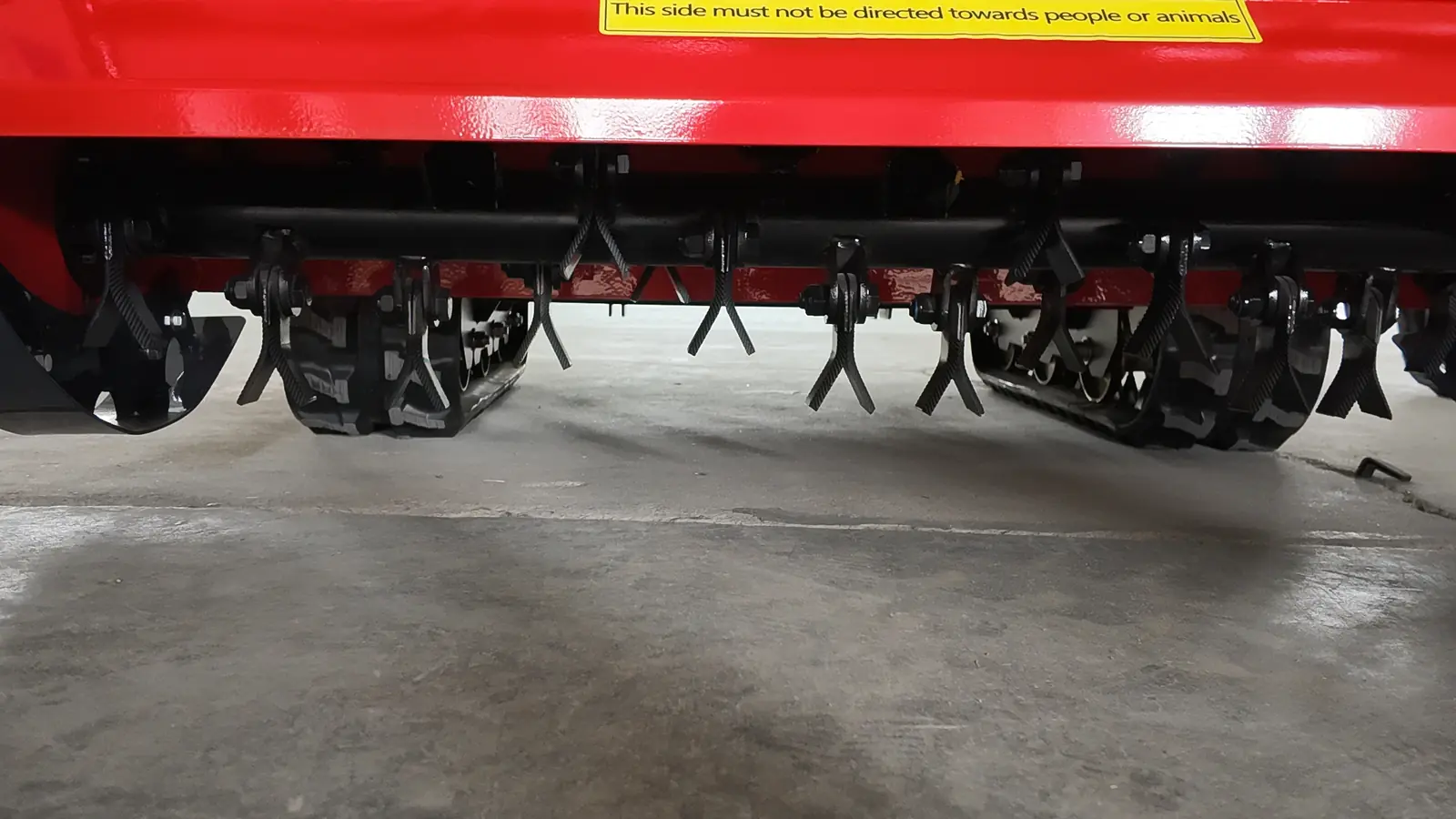
Record the model name exactly as it will appear on the quotation, order, packing list, inspection record, and manuals. List the engine or power option, control voltage, cutting system, cutting width, supplied controller, guards, accessories, spare parts, tools, and any custom change. Do not let an option move between these documents without written approval.
Ask whether the dimensions and weight describe the working machine, transport condition, or shipping package. These are different numbers. A buyer needs all three when access and freight matter.
Make the quote basis clear
Define quantity, currency, payment steps, quote validity, production lead time, packing, delivery term, destination, and who handles each cost. Ask the supplier to list what is included and excluded. Do not compare an ex-factory machine price with another supplier’s delivered package.
List every supplied item. This may include the machine, controller, charger, manuals, tools, starter spares, extra wear parts, transport frame, crate, or attachments. The list should match the buyer’s acceptance check when the order arrives.
Request evidence, not certification logos
State the destination market and ask which current documents apply to the exact offered unit. Request file names, model scope, issuer or manufacturer details, dates, and any document that must travel with the machine. A logo in a brochure is not a complete compliance answer.
Public buyers use detailed schedules for this reason. A 2026 Natural England remote mower notice provided separate RFQ, specification, order, and commercial-response documents. An official New Jersey transport RFQ also required suppliers to respond to stated technical points. These examples do not define the right MERI model. They show why requirements and supplier answers should be written down.
Put service and parts inside the RFQ
Ask for the maintenance schedule, inspection points, routine wear parts, parts-identification method, recommended starter stock, lead-time process, fault-information route, and warranty claim steps. State what the buyer’s own technicians can handle and where specialist help is needed.
Use the MERI support and parts page as the start of the discussion, not the whole answer. The returned RFQ should tie support information to the offered model and destination.
Define inspection and acceptance before ordering
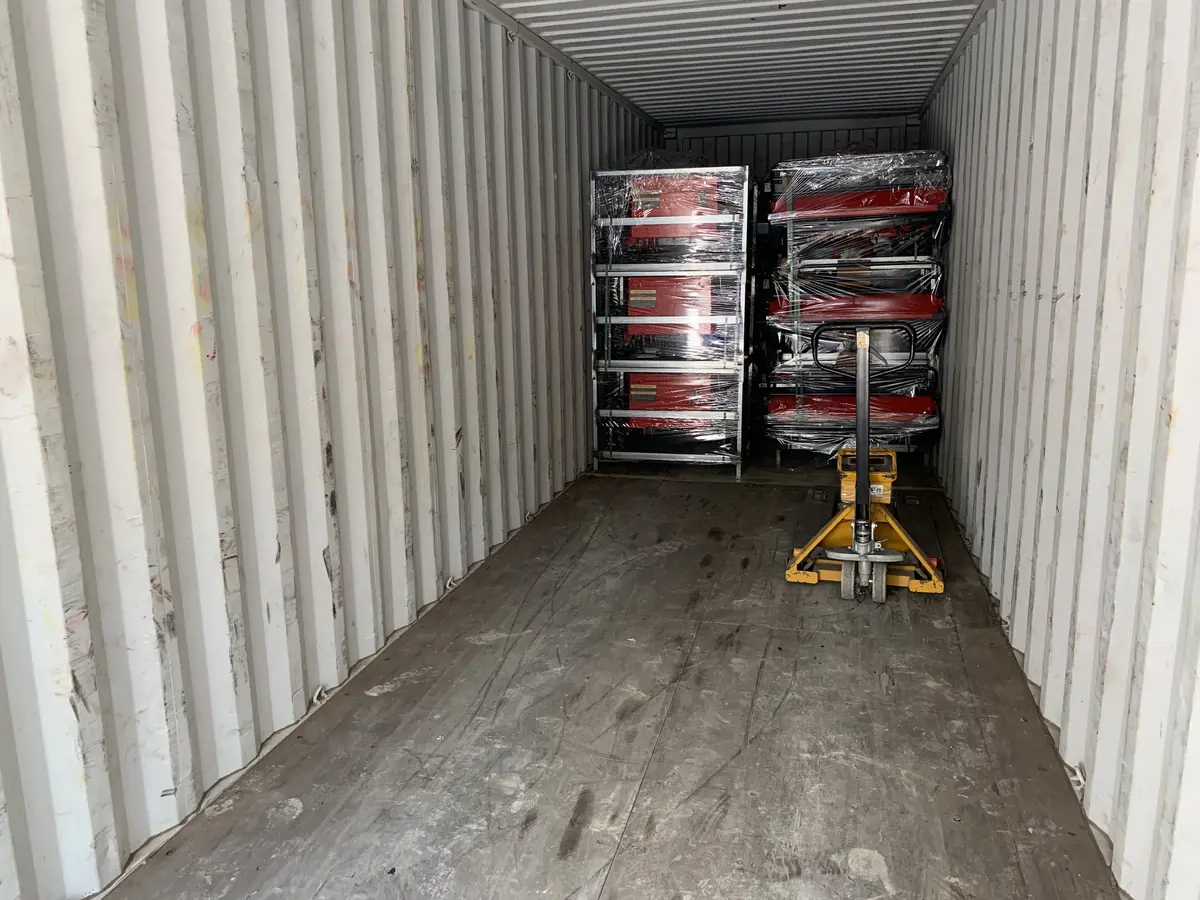
Tell suppliers what evidence is required before dispatch. Include product identity, configuration, visible condition, controls, defined stop functions, cutting-system check, included items, documents, packing, and photos. Link every acceptance point to the RFQ or purchase order.
The existing pre-delivery inspection checklist can help turn these points into a record. Buyers planning an on-site review can also use the mower factory audit checklist.
Score complete offers, not the lowest opening number
Set the scoring method before quotes arrive. Common groups are site fit, technical compliance, document quality, delivered commercial scope, lead time, service, parts, acceptance evidence, and price. Give the largest weight to the items that can stop the project.
Keep questions in one clarification log. Send the same material question to every supplier when fairness matters. Record each deviation and its effect instead of accepting a revised sales message with no change to the formal offer.
Remote mower RFQ checklist
- Buyer type, job, site photos, vegetation, terrain, and measured access.
- Mandatory requirements, preferences, and allowed alternatives.
- Exact model, power, controls, cutting system, options, and supplied items.
- Working, transport, and packed dimensions and weights.
- Destination documents and evidence for the offered configuration.
- Quantity, currency, delivery basis, lead time, validity, and exclusions.
- Maintenance, parts, training, warranty, and support responsibilities.
- Inspection, acceptance, packing, and dispatch evidence.
- Compliance table, scoring method, and clarification log.
FAQ
What is the difference between an RFQ and a purchase order?
The RFQ asks suppliers to offer a defined product and commercial scope. The purchase order records the final agreed order. Important model, option, document, and delivery details should stay consistent between them.
Should an RFQ name one MERI model?
Only when the buyer has enough site evidence to justify it. Otherwise, state the job and limits, then ask MERI to offer and explain one or two suitable configurations.
Can a buyer compare quotes by unit price?
Not safely when the included configuration, packing, freight, documents, spares, service, or acceptance evidence differs. First make the scope equal, then compare price.
How much technical detail belongs in the RFQ?
Include every value that affects site fit, safe use, transport, compliance, service, or acceptance. Leave room for an evidence-backed alternative when a copied number is only a preference.
Send MERI one clear request
Share the completed RFQ, site evidence, destination, quantity, and timing in one package. Ask MERI for a model-specific quotation with a compliance table and written exceptions so your team can review one complete offer instead of joining details from many messages.