
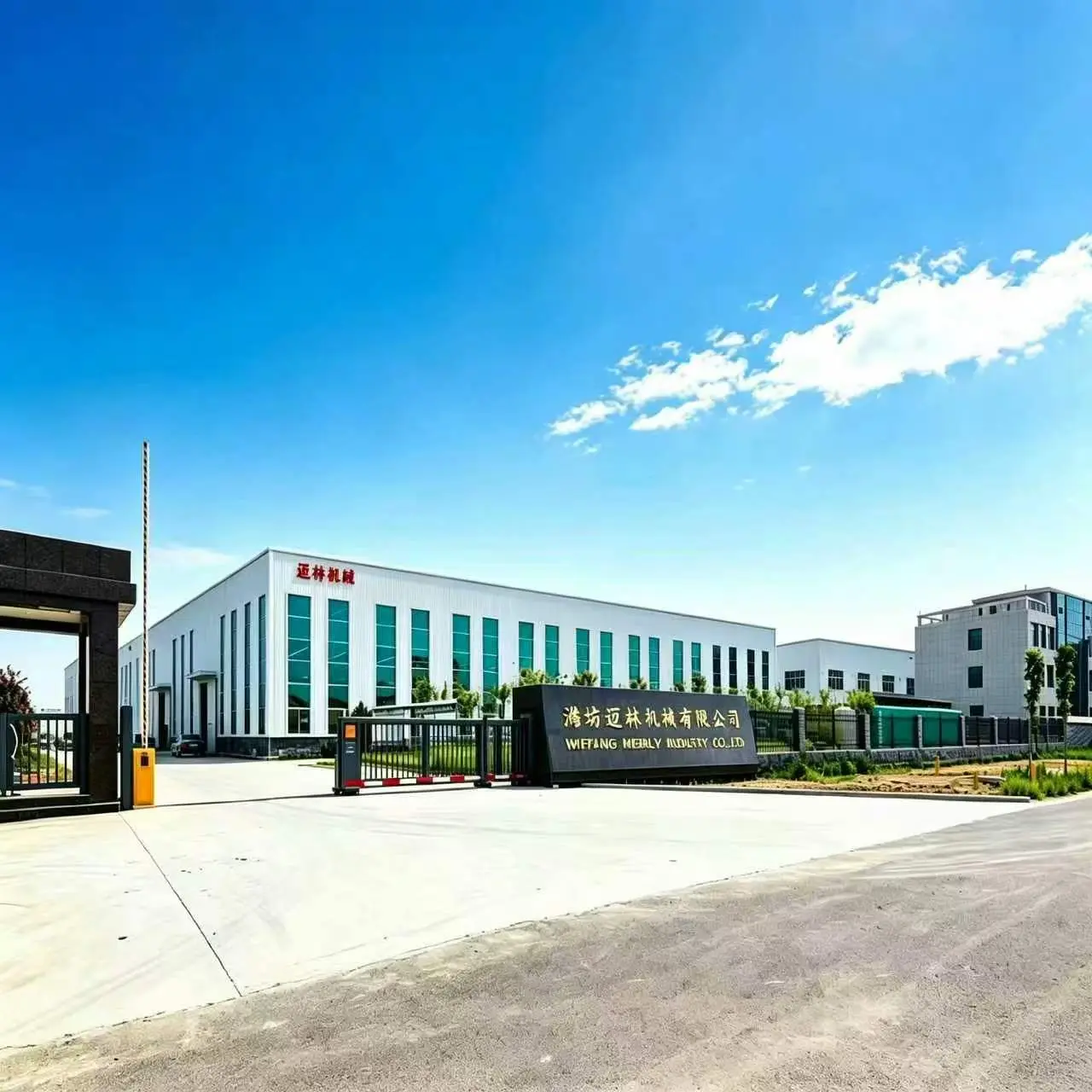
Choosing a manufacturer is choosing the foundation of your distribution business. A factory audit, whether in person or through a representative, reveals far more than a polished brochure about whether a supplier can deliver consistent, compliant product over years. This article provides a practical audit checklist for distributors evaluating a remote control mower manufacturer, covering certifications, production control, testing, and after-sales support.
Certifications and Documentation
Start with the certificates that matter for your target markets: CE for the EU, EPA for the United States, and ISO 9001 for the factory system. Confirm the documents name the correct model and production site and are within validity.
Ask to see the technical file and test reports, not just a declaration, because the supporting evidence is what authorities and serious buyers expect. A factory that organizes these on request shows it treats compliance as routine.
Record the certificate numbers during the audit so they can be verified later and attached to the order file. That discipline turns a visit into a durable record rather than a fading impression.
Production Control
Walk the line and observe whether assembly follows documented work instructions and whether key steps are checked rather than assumed. Consistent process is what keeps the tenth container like the first one.
Ask how the factory controls incoming parts, because component quality drives final reliability more than the final bolt. A supplier that qualifies its own sub-suppliers is protecting your brand downstream.
Look for traceability: can the factory link a serial number to a build date and batch? That capability matters when a field issue appears and you need to isolate a specific run rather than guess across the whole stock.
Note the factory’s capacity headroom, because a line running at full stretch has less room to absorb your peak without slipping lead times. Understanding true capacity helps you plan orders the supplier can actually honor.
Testing and Quality Gates
A credible manufacturer tests finished units, not just samples for show. Ask what is checked on every unit, from function to safety, and how failures are recorded and fed back into the process.
Inquire about the inspection points between assembly and packing, because catching a defect before the carton closes is cheaper than a return after delivery. Multiple gates usually indicate a mature system.
Request to see a recent non-conformance record and how it was resolved, because a factory that hides problems teaches you little, while one that learns from them is the safer long-term partner for a distributor.
Ask whether test results are retained and traceable to serial numbers, because that link is what lets a field failure be investigated instead of guessed. Traceable testing is a hallmark of a system built for the long run.
After-Sales Capability
Confirm the supplier can provide spare-parts lists with diagrams, warranty terms, and technical support, because these decide whether your line grows or stalls after the first delivery.
Ask how parts are stocked and how quickly uncommon items ship, and whether the factory supports your local language needs. The answers reveal whether after-sales is a real function or a polite promise.
A supplier that treats support as part of the offer reduces your own burden and protects your customers, which is exactly what a distributor should look for during an audit before committing volume.
During the audit, observe whether the after-sales team is resourced or merely named, because a function with no staff is a promise with no delivery. The presence of a real support desk tells you what your customers will actually experience.
Putting the Audit to Use
Score each area and compare suppliers on evidence rather than price alone, because the cheapest quote can become the most expensive through returns and delays. The audit is a decision tool, not a formality.
Share the findings with the factory and ask how it would address any gaps, because the response itself is informative about partnership potential. A willing, specific answer is a good sign; a vague one is a warning.
Keep the checklist with the supplier file so future reviews track improvement over time. A factory that grows with your business is worth more than a one-time low price that cannot scale cleanly.
Revisit the audit annually even with a trusted supplier, because factories change over time and a record from two years ago may no longer describe today’s line. A periodic refresh keeps your risk picture current.
Frequently Asked Questions
Can I audit a factory without visiting in person?
Yes. A representative, third-party inspector, or a detailed document and video request can cover the basics, though an on-site visit reveals more. The key is to verify certifications, process control, testing, and after-sales with evidence rather than claims.
What is the most important audit area?
Certifications and production control together matter most, because they decide whether the product is compliant and consistent. After-sales capability is close behind, since it determines how the line performs after delivery.
Related reading: ISO factory-direct mowers, Case studies
Evaluating a mower manufacturer? Contact MERI to arrange a factory audit covering CE, EPA, ISO 9001, production control, testing, and after-sales so your sourcing decision is evidence-based.
Need a mower recommendation for your terrain or project?
Get a Quote