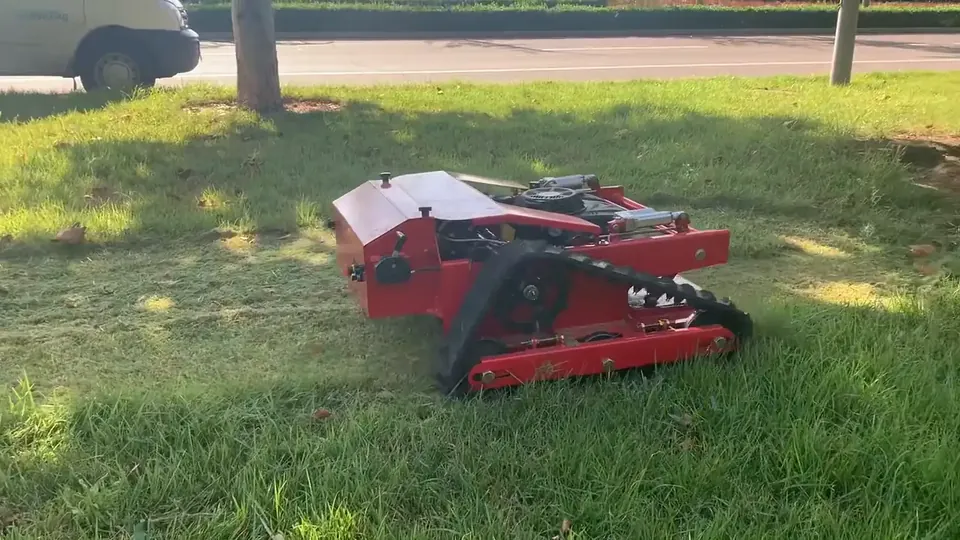
A remote mower inquiry can sound promising while still leaving a dealer unable to recommend a safe, suitable machine. “I need something for a steep property” does not tell you the actual grade, ground condition, vegetation, access width or who will operate it. The first conversation should turn an interesting lead into a usable site brief, without making the customer feel interrogated.
Start With the Real Job the Customer Needs Done
Ask what land is maintained, what vegetation is present, how often it is cut and what machine the customer uses today. A contractor might bounce between highway verges, industrial parks, and overgrown ditch lines, while an orchard manager needs to maneuver tightly between fruit tree rows without damaging low-hanging branches. A person asking for the widest cutter on the price sheet might actually be constrained by a narrow farm gate, a boggy drainage ditch, or a low-clearance storage shed. Record the primary job and the exceptions instead of quoting a model from one photograph.
Dig deeper into seasonal changes. Does the grass dry out and thin out during summer heat, or does it turn into a thick, water-logged mat after autumn rains? Understanding these seasonal shifts helps you assess whether the site is ready to mow and which documented configuration to evaluate.
Ask for Site Facts, Not Just General Adjectives
“Steep” and “rough” mean different things to different people. Request measured slope angles where possible, surface conditions, obstacles, drop-offs, hidden wire or stone, water edges, public paths and nearby traffic. Ask where the operator can stand with a clear view and where the machine could be recovered if the plan fails. Pictures and a short video can help the first discussion, but they cannot replace an on-site check when hazards or suitability remain uncertain. The delivered machine manual and local site rules control the final operating limits.
Inquire about subsurface surprises. Are there hidden irrigation heads, old property boundary fences buried in brush, or exposed tree roots that could catch a flail blade? Documenting these details upfront protects both the dealer and the customer from unexpected equipment damage.
Check Access, Transport, and Gate Limits Early
Record the narrowest gate, row spacing, turning area, loading route and whether a suitable vehicle and trailer are available. A mower that fits the cutting area may still be unsuitable if the crew cannot reach the site or load it safely. Do not guess transport weight or tie-down arrangements from a product family name; verify the exact delivered configuration and instructions. See our transport safety checklist.
Consider local logistics like parking availability near roadside jobs or weight limits on old rural bridges. Checking actual machine weight, tow ratings and site access during the initial call can prevent delivery-day surprises.
Understand the People, Operators, and Support Plan
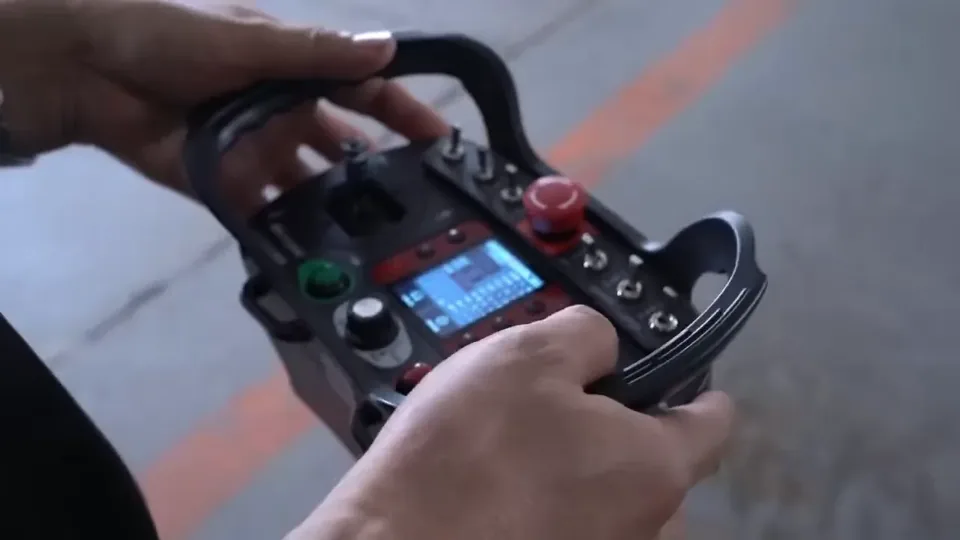
Who will operate the machine, who will supervise a demonstration and who handles routine maintenance? Ask whether the buyer has trained adult operators, a safe place to practise, and a service contact who can keep records. Remote operation puts distance between operator and cutter but does not remove thrown-object, bystander, slide or rollover hazards. Explain the need for training and a controlled work area without promising that any machine makes a risky site safe. Our dealer demo checklist helps structure the next step.
Ask about team turnover as well. If the primary operator leaves next month, is there a structured plan to train replacement staff on safety protocols and pre-start routines, or will the machine end up in untrained hands?
Qualify the Purchase Process Without Pressure
Ask what result the buyer needs from a demonstration, who will compare options, when a decision is expected and what documents procurement requires. If budget has not been approved, say so in the record rather than treating it as a failed lead. A useful next step might be a call, a measured site visit or a request for the correct machine documentation. Do not turn an inquiry into a claimed sale.
Find out who else sits on the evaluation committee. Is the person on the phone the end user, the fleet manager, the finance director, or a landscape contractor bidding on a multi-year municipal maintenance tender? Knowing who holds decision-making authority helps you tailor your technical answers and follow-up timeline.
Use One Short, Shared Intake Record
Keep company and contact details, site location at a practical level, intended use, vegetation, measured terrain, access, hazards, operator readiness, service expectations, decision participants, timing and open questions in one record. Label each point as customer-reported, photo-observed or verified on site. This makes it easier for the next colleague to see what is known and what still needs checking. For formal quotations, use the B2B RFQ checklist.
A centralized log also prevents mixed messages when multiple sales reps or service techs speak with the same account. Everyone on your team can instantly see what site metrics are confirmed and what variables are still pending.
When to Move From Inquiry to Recommendation
Recommend a configuration only when the site brief is adequate and the proposed unit’s current documentation supports the application. If slope, vegetation, access or operator arrangements remain unclear, ask for evidence or a supervised assessment. A careful “we need to check that” builds more trust than an immediate answer that cannot survive the first site visit.
Frequently Asked Questions
Can a dealer recommend a mower from photos alone?
Photos can narrow questions, but may hide grade, soft ground, debris and access problems. Verify material limits before recommending a configuration.
Should a dealer ask for budget in the first call?
Ask about the buying process and budget stage respectfully. The site and operating fit still need to be understood.
What if a buyer does not know the slope angle?
Mark it unknown and arrange a safe way to measure or assess the site. Do not replace a measurement with an estimate from a photograph.
Need a mower recommendation for your terrain or project?
Get a Quote