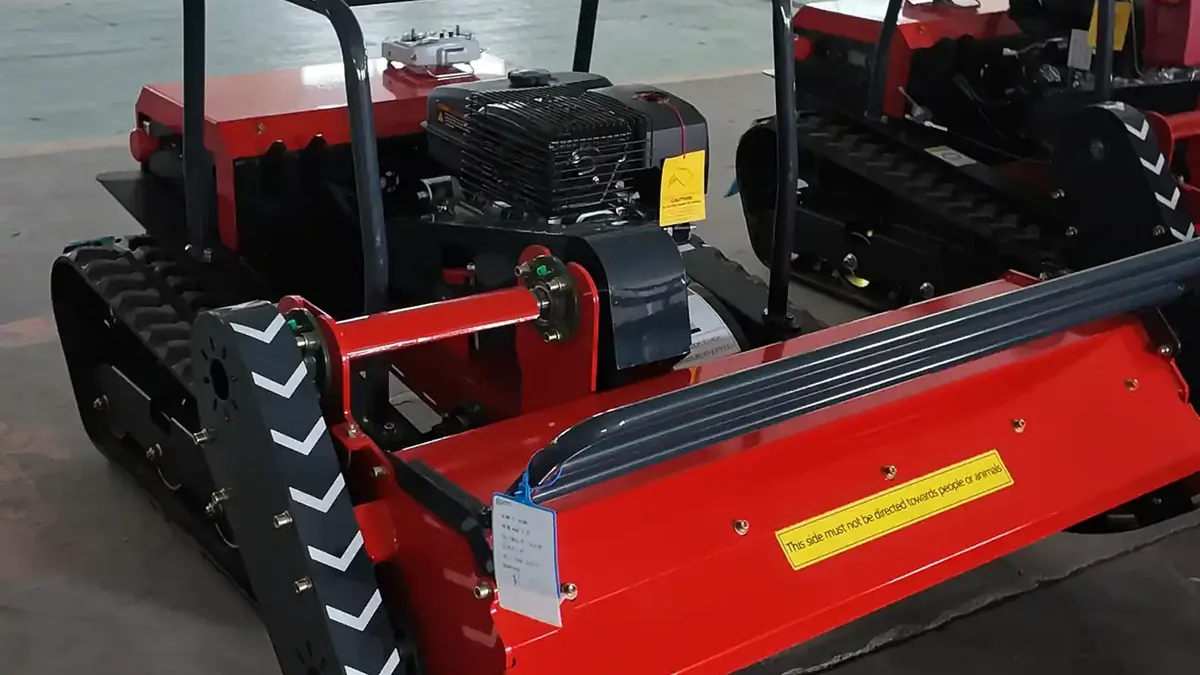
A clear remote mower tender specification checklist helps procurement teams compare offers against the work that must be done. It replaces broad marketing language with site conditions, required evidence, support expectations, and an agreed acceptance process.
Define the work before the equipment
Describe terrain, measured slope exposure where available, vegetation type, cutting frequency, ground condition, access width, transport limits, nearby people, and the places where an operator can maintain the required view. If conditions vary across sites, list the important exceptions.
Use measurable language where the evidence supports it. Mark unknown items for a survey or controlled demonstration instead of turning an estimate into a mandatory specification.
Separate mandatory and desirable requirements
Mandatory requirements decide whether a bid is compliant. Desirable features help evaluators compare compliant offers. Keeping the two groups separate prevents a useful option from becoming an accidental barrier to competition.
| Section | What to request | How to verify |
|---|---|---|
| Work and access | Site conditions, vegetation, route, loading limits | Survey, drawings, representative-site visit |
| Operator controls | Control method, shutdown steps, visibility assumptions | Current manual and demonstration |
| Training | Audience, scope, documents, completion record | Training plan and handover record |
| Maintenance | Schedules, wear parts, diagnostic and service route | Manuals, parts list, written support information |
| Acceptance | Test conditions, evidence, pass criteria, exceptions | Signed test record |
Ask bidders to state assumptions and exclusions
A compliant offer should show what is included, what depends on site preparation, and what remains outside the price or delivery scope. Ask for the current operator manual, maintenance schedule, parts list, commissioning plan, training outline, and service-contact route.
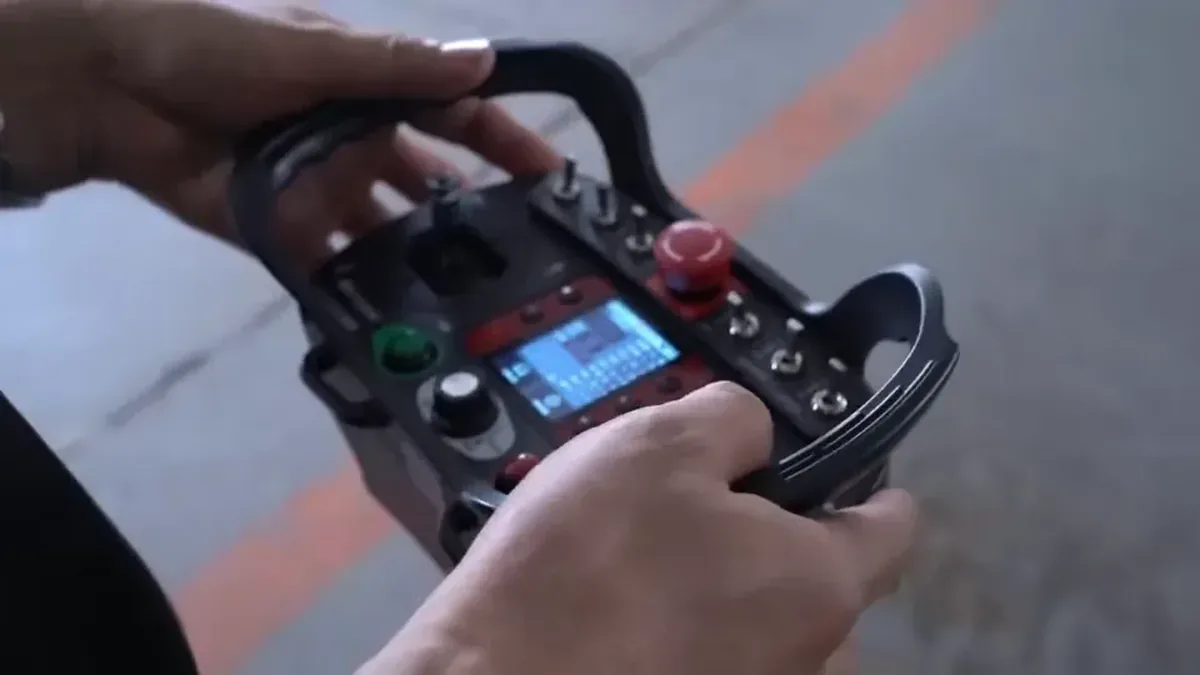
Plan a representative demonstration and acceptance test
Paper proposals cannot resolve every question about access, surface condition, visibility, or handling. Define a controlled test using representative conditions and agree what evidence will be recorded. Stop the test if the site, weather, people, or machine condition differs from the agreed safe plan.
For preparation, use the remote mower demo checklist. For quotation inputs, pair it with the B2B RFQ checklist.
Use a weighted evaluation
Score technical fit, evidence quality, training, delivery, service readiness, parts planning, and whole-life support alongside purchase price. Set the weights before bids are opened. Evaluators should record why each score was given and identify any condition that still requires verification.
A complete remote mower tender specification checklist makes bids easier to compare and acceptance easier to manage. The best document states the work, the proof required, and the limits of what has not yet been verified.
Need a mower recommendation for your terrain or project?
Get a Quote