OEM Remote Control Mower Manufacturing
OEM manufacturing
Build an OEM mower order around the machine your customers need. MERI reviews the chosen platform, compatible configuration, brand requests and service requirements together.
Prepare your next step
Send a model shortlist and market brief. Separate current options from engineering requests, then agree a written configuration and quotation.


MERI · Commercial equipment selection
OEM Remote Control Mowers: Turn Brand Requirements into a Working Specification
Plan an OEM remote control mower around a compatible platform and a clear brand brief. Machine function, working tools, colours, controller options and document identity must remain consistent from approval to delivery.
Choose around your working task
Platform and compatibility
Use the confirmed model matrix to specify engine, cutting system, adjustment and attachments. Options on non-T, T-Series and multi-function machines are not interchangeable by default.
Brand approval
Provide logo artwork, machine colour requirements, labels, manuals and packaging identity. Agree the proofing and approval sequence before production.
Service identity
Keep manufacturer/service identification, parts references and the configuration record traceable even when the commercial brand and sales name are customised.
Configuration comes before price
Compare the working platforms
| Model | Working width | Cutting power | Overall dimensions | Machine weight |
|---|---|---|---|---|
| ME800-24 | 800mm | LONCIN459, Gasoline, 18HP | 1650×950×920mm | 355kg |
| ME1000-48 | 1000mm | LONCIN459, Gasoline, 18HP | 1750×1150×920mm | 424kg |
| ME1200D-48 | 1200mm | KOOP195, Diesel, 15HP | 1750×1350×920mm | 445kg |
| ME-RT | 800 mm | KOOP 195 single-cylinder diesel, 15 hp | 1800 × 750 × 700 mm | 390 kg, excluding tools |
Standard ME800 / ME1000 / ME1200 reference outputs: 4000 / 5000 / 6000 m²/h for the 12 gasoline/diesel non-T models. Plan work using the actual vegetation, ground and route. T-Series output is assessed separately. Overall machine width is different from cutting width.
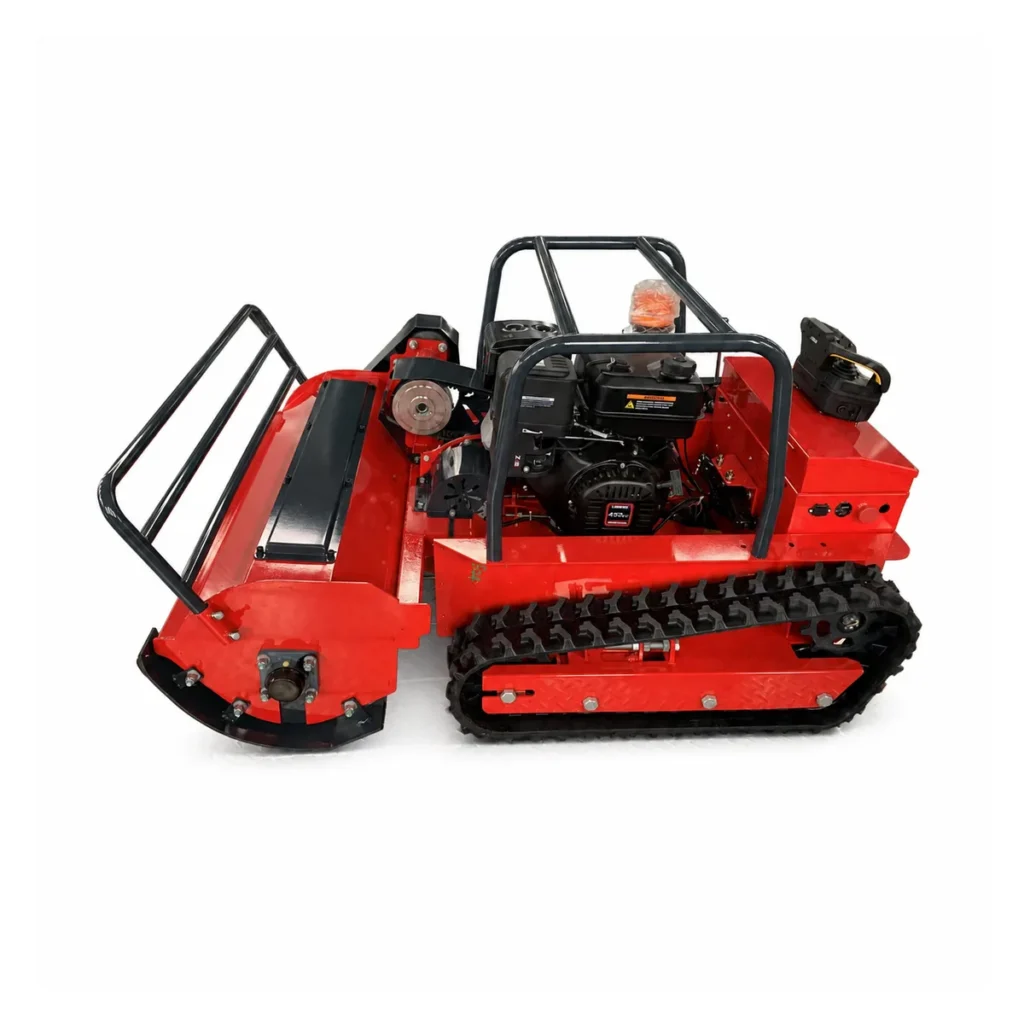
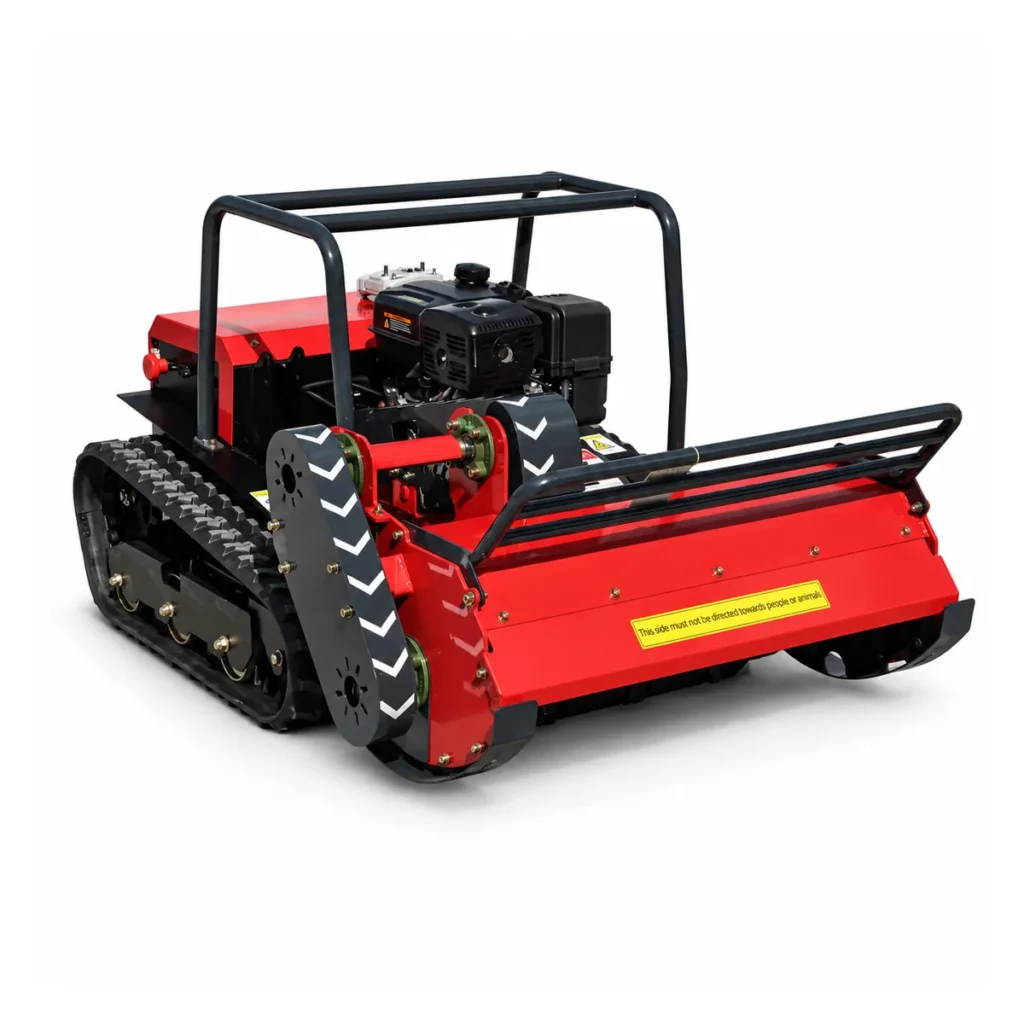
ME1000-48
1000mm · LONCIN459, Gasoline, 18HP
View model & configuration →Download technical sheet (PDF)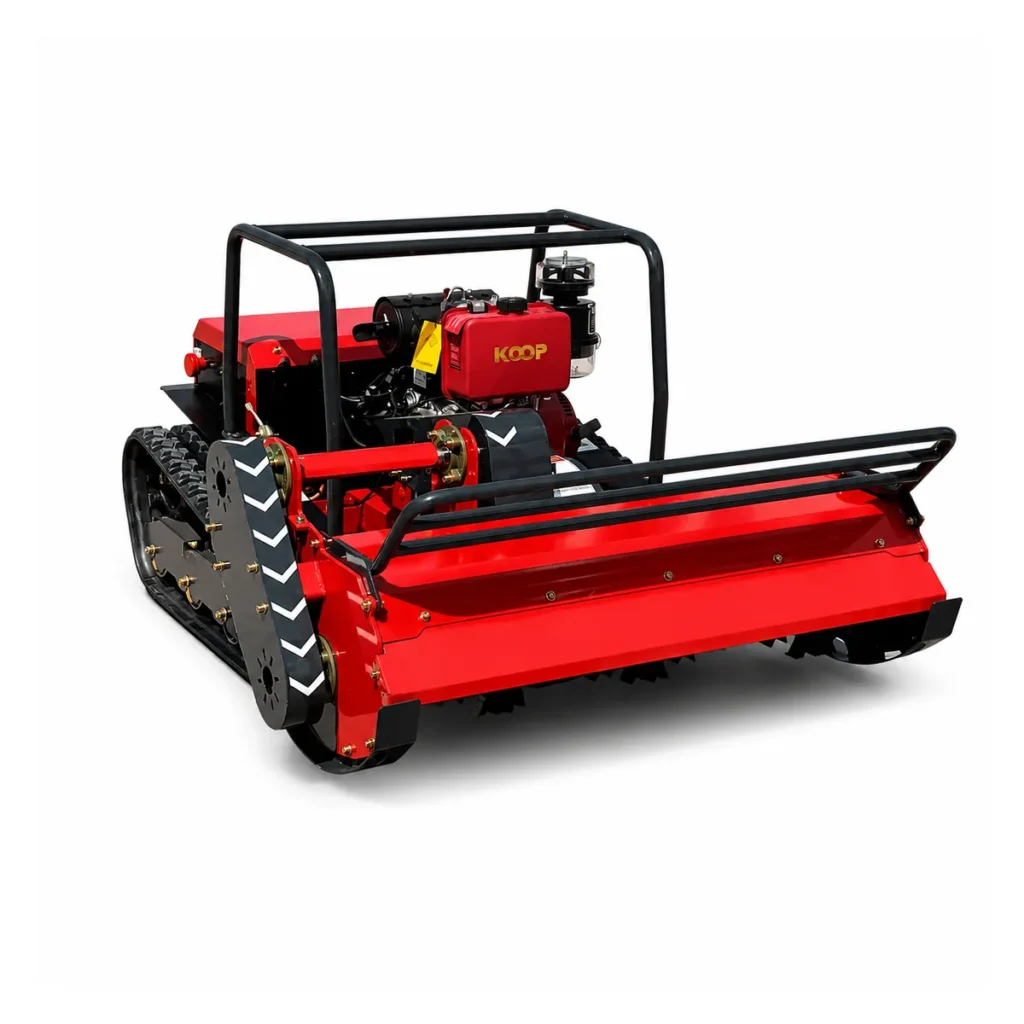
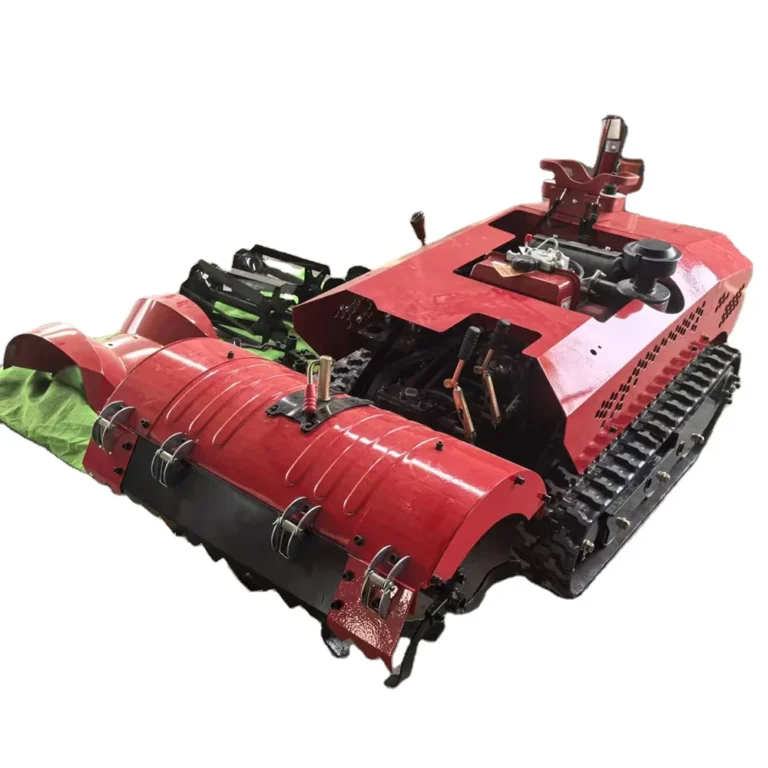
ME-RT
800 mm · KOOP 195 single-cylinder diesel, 15 hp
View model & configuration →Download technical sheet (PDF)Define a complete supply scope
| Approval stage | Define before production |
|---|---|
| Base platform | Task, engine, tools and compatible adjustment |
| Brand identity | Colour reference, logo artwork, labels and packaging |
| Technical identity | Configuration record, manuals and spare-parts references |
| Release | Approved scope, inspection items and delivery documents |
Factory support
Factory support for your working package
Use the selected model’s technical sheet and operating guide to plan loading, daily checks and wear parts. Send configuration and service needs with your enquiry.
Questions before you choose
Can I request custom colour and logo?
Yes. Include the colour reference and logo artwork with your platform and quantity brief.
Can every attachment be fitted to every model?
No. Use the model-specific compatibility matrix. T-Series flat blades and front-only snow-plow rules differ from standard flail/hammer platforms and the ME-RT/PRO tool systems.
What should an OEM approval file contain?
The chosen configuration, approved artwork/colour, included and optional items, inspection points, documents, packing and service identity.
Talk to MERI
Get a quote for the job you actually need to do
Base model, task, engine/tool requirements, colour/logo artwork, quantity, destination and approval schedule.
Send these details with site photos. We can narrow the machine and supply scope before preparing the quotation.
Related selection guides
Choose the platform and classify each requested change
Start with the working machine
Match vegetation, terrain, access, cutting system, fuel or charging arrangements and service needs to an existing MERI family. Use its current model page and TDS as the starting specification.
Separate appearance from engineering
Color, logo placement and packing artwork are reviewed as branding requests. Changes to structure, guards, controls or power systems need a separate feasibility and validation review.
Model-specific option review
Use this confirmed family matrix to prepare the discussion. Select options on the relevant product page; the final quotation records what is included for the exact build.
| Platform | Configuration to review | Model boundary |
|---|---|---|
| ME800 gasoline / diesel | Loncin single-cylinder gasoline or KOOP single-cylinder diesel; flail or hammer tools. | Manual height adjustment; electric or hydraulic upgrade requests. Front or rear snow-plow requests. ME800 is not a twin-cylinder platform. |
| ME1000 / ME1200 gasoline / diesel | Loncin, KOOP, Yanmar or Briggs & Stratton engine selection; flail or hammer tools. | Confirm the engine and cylinder configuration. Manual, electric or hydraulic height adjustment and front/rear snow-plow selection follow the chosen build. |
| ME550-T / ME650-T / ME900-T | Flat-blade turf system; Loncin single- or twin-cylinder engine selection. | Manual or electric height adjustment. Front snow plow only; no hydraulic height adjustment or rear snow plow. |
| ME-RFM1000-D / ME-RFM1000-E | Diesel or electric forestry platform and the working-head requirement. | Confirm head compatibility and supply scope for the ordered platform. Keep diesel and electric service identities separate. |
| ME-RT / ME-RT PRO / ME-RS | Platform-specific tilling, multi-function or snow-removal requirements. | Use the individual TDS and exact attachment fit. Do not transfer another family’s option list. |
What to send with your OEM enquiry
- Destination market, buyer type and intended work.
- Candidate model, route measurements, vegetation and daily work window.
- Requested engine, working head, controller, height adjustment and attachments.
- Logo files, color reference and proposed label or packing requirements.
- Planned quantity or forecast and requested delivery window for quotation.
- Required documentation, inspection evidence, starter spares and local service scope.
From requirements to an approved order
Agree the configuration and documents
Map every requested item to the selected model. Record the engine, electrical system, tools, accessories, labeling and document requirements in one revision.
Approve the relevant evidence
Agree what the approval package should contain: specification sheet, artwork proof, photographs, drawings or a sample where included in the quotation. Record open points and acceptance checks.
Confirm the commercial and inspection scope
Agree the quantity, price, lead time, inspection, packing and shipment responsibilities in the current quotation and order documents.
Control changes and handover
Record later changes before release. Keep the approved model and configuration connected to inspection, packing, serial records and replacement-parts identification.
Continue with the right MERI resource
Manufacturer and procurement resources · Product families · Technical downloads · Operation and maintenance videos
Related planning: Manufacturing quality control
Buyer questions
Can every option be ordered for every model?
No. The platform, engine, electrical system, working head and selected attachments must be reviewed together. Use the model-specific matrix below and the current TDS.
How are engineering changes handled?
Describe the required result, drawings or dimensions and operating conditions. Ask MERI for a feasibility and validation review before including a change in the approved specification.
What determines quantity, price and lead time?
The selected platform, requested changes, quantity, destination and approved scope. Request a dated quotation for the actual order.
Request a model-based OEM review
Send the platform, destination, requested changes, quantity scenario and approval requirements.