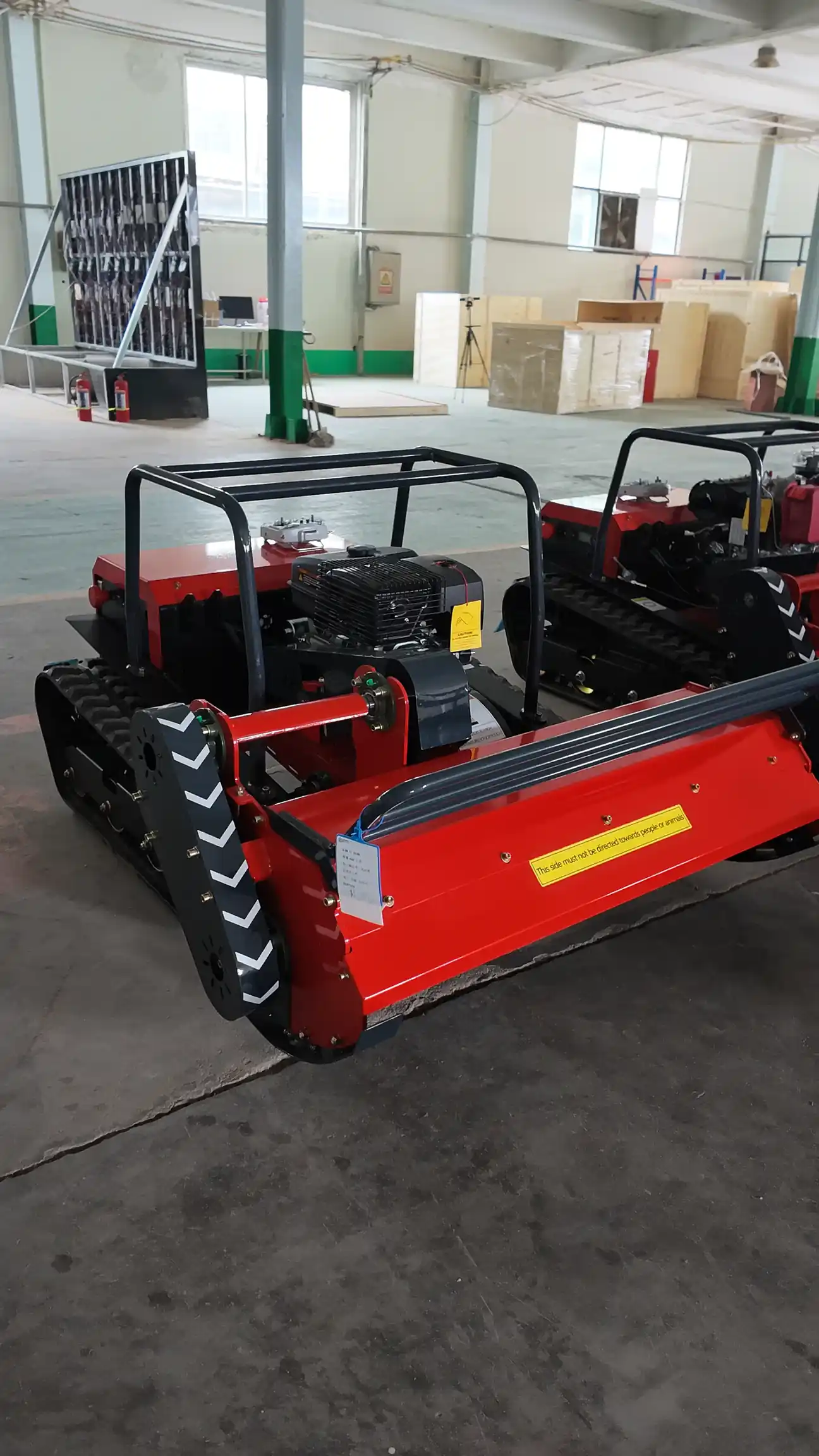
Choosing a remote control mower supplier for distributors is not simply a matter of comparing a quotation and a product photo. A distributor must decide whether the supplier, machine range, documentation, spare-parts plan, and communication process can support a repeatable local business.
The most useful evaluation starts with the target market. Define the customers you expect to serve, their terrain, vegetation, transport constraints, service expectations, and local compliance needs. Then ask potential suppliers to respond to the same written brief. Comparable inputs make supplier differences much easier to see.
Start with a distributor market brief
Before requesting a price, prepare a short market brief. It should describe typical job sites, buyer types, expected order pattern, preferred power format, transport limits, and the service capability available in your region. Avoid asking a supplier to select a machine from a vague request such as “a mower for slopes.”
A useful brief separates essential requirements from preferences. It also identifies questions that must be confirmed against the supplier’s current technical documents. This prevents assumptions from turning into sales promises. Merimow’s product overview can help buyers organize initial product discussions without treating a category page as a specification sheet.
Compare evidence, not sales language
Ask each supplier for a consistent evidence package: current product identification, manuals, maintenance schedules, packing information, available compliance documents for the destination market, and a written list of supplied accessories. Document names alone are not enough. Check that model references, manufacturer details, dates, and product configuration are consistent.
If third-party test or certification evidence is required, confirm its scope and validity with the issuer or relevant authority. Do not assume that a logo in a brochure covers every variant. For a deeper on-site review, use the existing distributor factory audit checklist.
Use a trial order to test the complete workflow
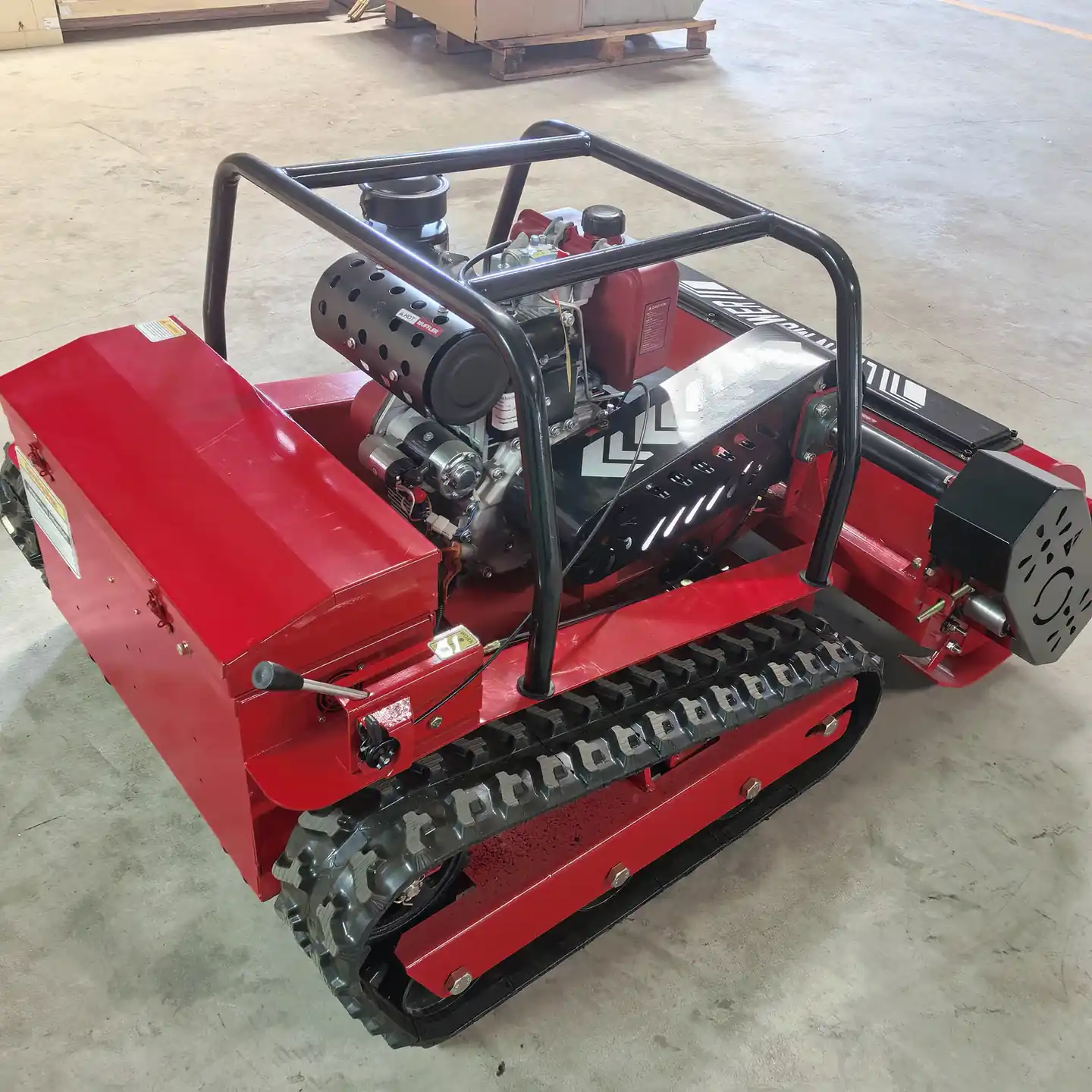
A trial order should test more than mowing. Define acceptance points before payment: order identity, visible condition, controls, included tools and accessories, documentation, packing, and the evidence required before dispatch. Record who approves any substitution or configuration change.
After arrival, use a controlled handover. Keep receiving photos, serial or product identifiers where applicable, inspection notes, and service observations. A structured trial reveals communication and support quality before a larger commitment. Review Merimow’s overview of remote mower testing facilities, then request the current inspection process for the exact order.
Define parts and service responsibility
Distributors need a written division of responsibility. Clarify which parts are normally stocked, how parts are identified, what evidence is needed for a support request, who pays freight in different situations, and how technical questions are escalated. Also decide what your own team will handle locally.
Ask for illustrated parts information and routine service guidance before launch. Confirm availability rather than advertising a fixed delivery promise. Merimow’s support and parts page provides a starting point for that conversation.
Evaluate commercial terms as a system
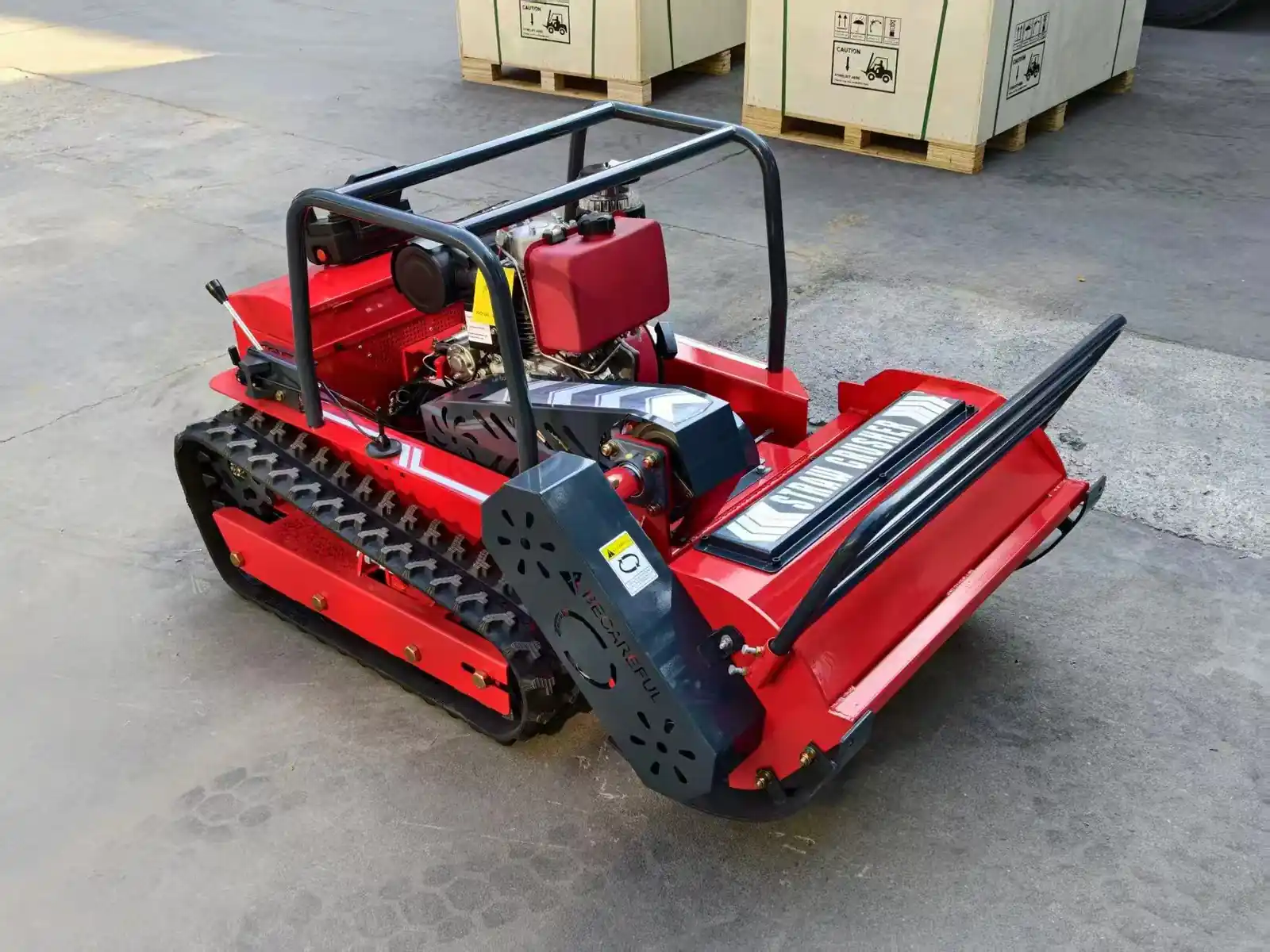
Unit price is only one input. Compare minimum order expectations, sample policy, packing, payment milestones, change control, lead-time assumptions, inspection points, warranty process, and documentation responsibilities. Request written clarification whenever an item could affect landed cost or customer support.
Build a simple scorecard with weighted categories: market fit, evidence quality, trial performance, communication, parts readiness, service workflow, and commercial clarity. A supplier that answers difficult questions consistently may be a stronger long-term partner than one offering the lowest opening quote.
Questions to ask before distributor onboarding
- Which current configurations match our documented applications?
- Which documents apply to the exact units in the quotation?
- How are changes approved and recorded?
- What inspection evidence is available before dispatch?
- How are parts identified and support cases escalated?
- What training material can our sales and service teams use?
- What information must we provide for an accurate recommendation?
FAQ
Should a distributor choose a supplier by price?
No. Price should be assessed with product fit, documentation, inspection, packing, parts, support, and commercial terms.
What is the purpose of a trial order?
It tests the full order, inspection, delivery, handover, and support workflow before a larger commitment.
How can distributors reduce specification misunderstandings?
Use a written market brief and require the supplier to confirm the exact configuration and documents in writing.
Build the supplier conversation around evidence
A reliable distributor relationship begins with clear requirements and verifiable answers. If you are evaluating a market or planning a trial order, contact Merimow with your destination country, applications, terrain, vegetation, expected quantity, and service plan for a focused discussion.
Need a mower recommendation for your terrain or project?
Get a Quote