
Short answer: Places of worship have peak use at set times, often with many older visitors. Plan clearing to finish before each service, with steps, ramps, the drop-off point and accessible parking first. Recheck for refreeze shortly before people arrive, keep clear routes from parking to every entrance, and keep simple records of each visit.
What makes these sites different
Most of the week, a church car park may be nearly empty. Then many people arrive within half an hour before a service. Weddings, funerals and evening events add other peak times. Many visitors are older or use mobility aids, and some arrive in the dark.
This means timing matters as much as depth. A site cleared at 6:00 can be icy again by 9:30. The plan should work backwards from service times.
Set the priorities
| Priority | Area | Why |
|---|---|---|
| 1 | Main entrance steps and ramp | Everyone uses them |
| 1 | Drop-off point at the door | Older visitors are dropped close to the entrance |
| 1 | Accessible parking spaces and the route to the door | Visitors with mobility aids |
| 2 | Paths from the car park to all used doors | Main walking routes |
| 2 | Side doors used for events or halls | Often forgotten |
| 3 | Main car park lanes and bays | Vehicles can cope with some snow |
| 3 | Overflow parking | Only on busy days |
Agree priorities with the site lead and update them when event schedules change.
Plan around the timetable
- Get the regular service and event timetable at the start of winter.
- Set a finish time for priority 1 areas, for example an hour before each service.
- Plan a short return visit for refreeze checks just before people arrive.
- Ask the site to tell you about extra events, such as funerals, as early as possible.
- After services, clear any snow that fell during the event.
Paths, steps and ramps
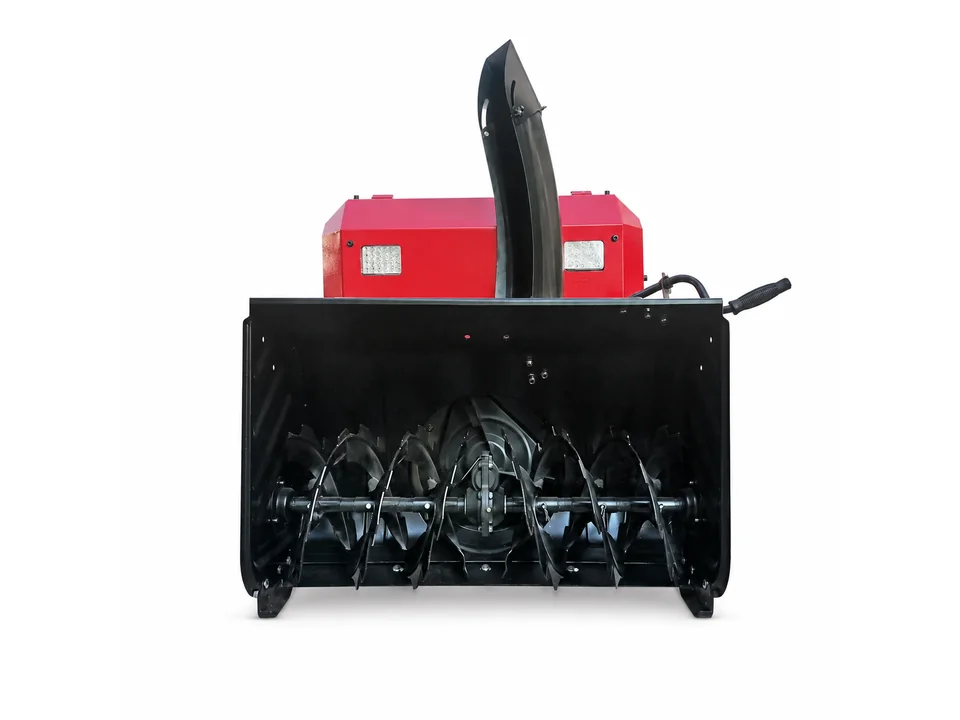
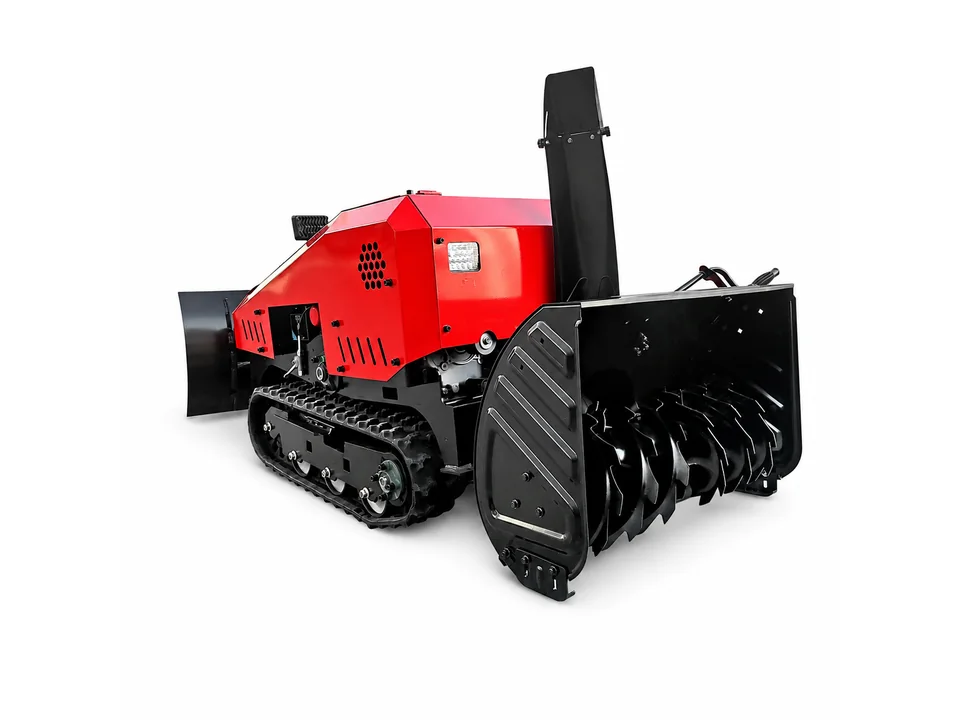
Steps and ramps should be cleared down to the surface and checked for ice. A remote snow machine can clear long paths and the route from the car park while the operator stands clear of the public. Steps, handrails and the area right at the door are usually done by hand.
Snow should be thrown or piled away from doors, ramps, accessible bays and drainage. Watch for piles that melt and refreeze across a path overnight.
Example: a Sunday morning storm
Snow starts on Saturday evening and stops at 5:00 on Sunday. The first service is at 9:30. The crew arrives at 6:30, clears steps, ramp, drop-off point and accessible bays first, then the paths and the hall side door. By 8:15 the main car park lanes are open. At 9:00 a quick check finds a thin icy patch on the ramp, which is treated. Each area is photographed and logged with the time.
Records and communication
Keep a short log with time, areas cleared, conditions and photos. Share a simple message with the site lead after each visit. Clear records help everyone when questions come up later about when an area was cleared.
Common mistakes
- Clearing early in the morning and not coming back before the service.
- Forgetting side doors used for halls or events.
- Piling snow on accessible bays.
- No plan for funerals and weekday events.
Questions to agree before winter
- Which doors are used for services, halls, offices and deliveries?
- What are the regular service times, and who tells the crew about extra events?
- Who can open the building early if hand work is needed at doors?
- Where can snow be piled without covering parking that is needed on busy days?
- Who is the contact on the day, and how should the crew report problems?
- Are there areas, such as a graveyard path or a memorial garden, that need a different standard?
Writing the answers into a one-page site sheet helps new crew members. Keep a copy in the machine and one with the site lead, and update it when the timetable changes for holidays or special services.
Related MERI pages
- Snow removal at accessible curb ramps
- Sidewalk clearing deadlines
- Slip and fall documentation for snow contractors
- ME-RS600 snow blower
- Parking lot snow clearing order
Frequently asked questions
What should be cleared first at a church?
Main entrance steps and ramp, the drop-off point, accessible parking and the route to the door.
How early should clearing finish before a service?
Many plans aim to finish priority areas about an hour before, with a quick refreeze check shortly before people arrive.
Can a remote snow blower work while people arrive?
It is better to finish before people arrive. If you must work, keep the machine well away from people and the discharge pointed clear.
Is a compact remote machine enough for a church site?
For paths and small car parks it can be. Larger car parks may need a plough. Send MERI your site layout to check.
Send us your site details
Tell us the job, area, slope and country. MERI replies within 24 hours.
Need a mower recommendation for your terrain or project?
Get a Quote