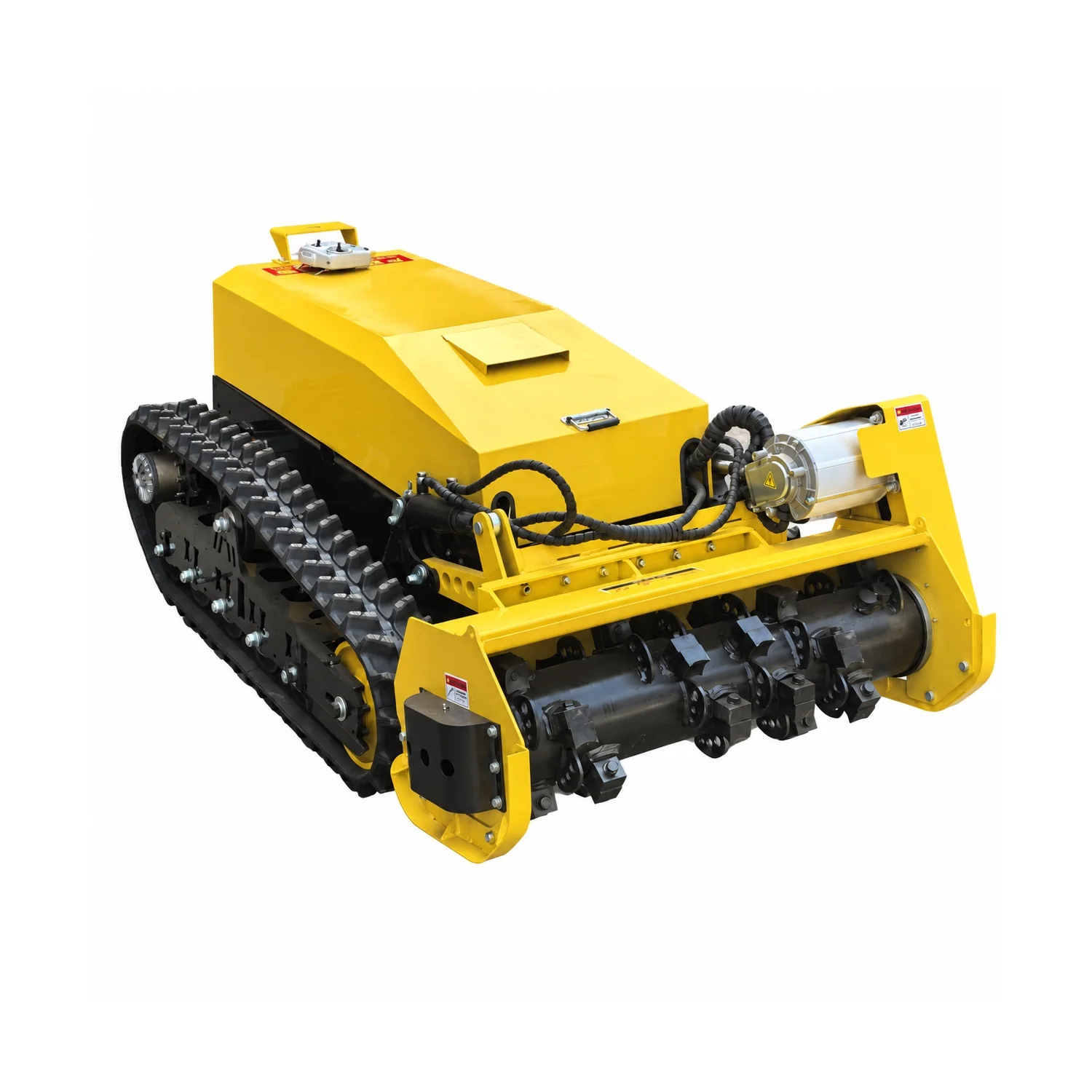
Short answer: In dry weather, a mulcher can start a fire through sparks from teeth hitting rocks, hot engine or exhaust surfaces, and dry debris packed around the machine. Clean the machine often, avoid rocky ground in high fire danger, keep water and extinguishers on site, watch the work area after you finish, and follow local fire rules.
How fires start around mulchers
- Sparks. Steel teeth striking stones can throw sparks into dry fuel.
- Hot surfaces. Exhaust and engine parts on fuel-powered machines get hot enough to ignite dry debris.
- Debris build-up. Fine, dry material packs into the hood, belly and cooling area.
- Friction. Wrapped material rubbing on a rotor end can heat up.
Daily routine in dry conditions
| When | Action |
|---|---|
| Before work | Check fire rules and the day’s fire danger; clean the machine |
| Every break | Blow or brush debris from hood, belly and cooling area |
| On rocky ground | Raise the rotor or avoid the area in high danger |
| End of shift | Clean the machine and park it on bare ground |
| After work | Watch the work area for smoke for a period set by your plan |
Local fire rules come first. Some areas restrict machine work on high-danger days.
Electric or diesel
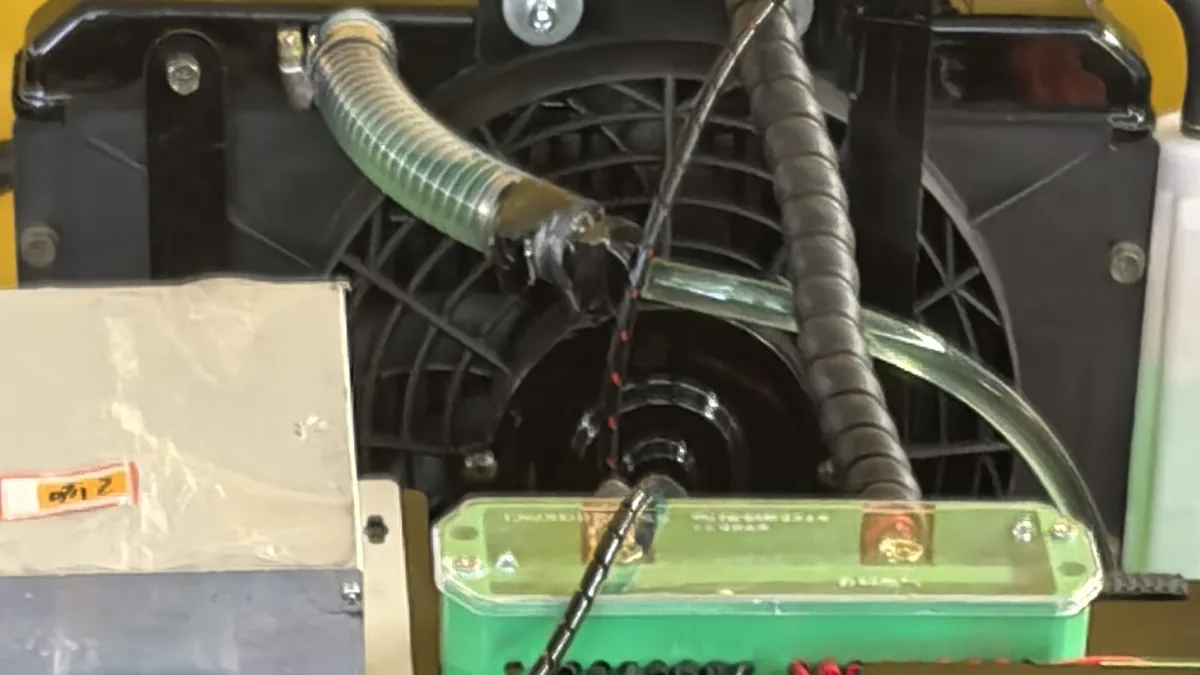
The ME-RFM1000-D runs a 25 hp water-cooled diesel, which has hot exhaust parts. The ME-RFM1000-E is electric, which removes the exhaust but still has motors, electronics and cooling areas that collect debris. Both need regular cleaning in dry work.
Equipment to keep on site
- Fire extinguishers suitable for the machine.
- Water and a backpack pump or similar.
- Hand tools such as a shovel and rake.
- A phone or radio with good coverage.
- A clear plan for who to call.
Working on rocky ground
Rocky slopes are where teeth strike stones most. In high fire danger, schedule rocky areas for cooler, damper times of day or season. Raise the rotor slightly to reduce ground contact. Check teeth often; damaged teeth spark more easily.
Watching after work
Smouldering material can stay hidden in mulch for some time. Walk the work area at the end of the shift and look for smoke or heat. Keep a water supply ready until the area is clear.
Firebreak and fuel work
Mulchers are often used to reduce fuel loads and build firebreaks. That work is usually planned before the dry season peaks. Plan the work calendar so most clearing is done when the fire danger is lower.
Records
Record the fire danger each day, the cleaning done and any incidents. These records support your safety plan and show clients and insurers how you manage risk.
What changes as fire danger rises
| Fire danger | Typical work plan |
|---|---|
| Low | Normal work; clean the machine at every break |
| Moderate | Clean more often; move rocky areas to the morning |
| High | Early mornings only; a fire watch on site; extinguisher next to the work |
| Extreme, or a work ban | Follow the local restrictions; most mulching stops |
Local fire authorities set the danger rating and any restrictions. Check them every day in the dry season.
A fire watch role
On high-danger days, give one crew member the job of watching. The watcher stays out of the throw zone and looks for smoke behind the machine and along the edges. Water and an extinguisher stay within reach, and the watcher can stop work at any time. After the last cut, the watcher stays on site for an agreed time before the crew leaves.
Telling the client early
Tell the client before the season that dry-weather rules may move work to early mornings or delay rocky areas. Put it in the scope, so a changed schedule is not a surprise.
Fuel handling in dry weather
Refuel only when the engine has cooled, on bare ground away from dry grass, and clean up spills straight away. Keep spare fuel in approved containers, in shade and away from the work area.
Common mistakes
- Cleaning only at the end of the day.
- Working rocky ground on the hottest afternoons.
- Leaving the site straight after the last cut.
- Keeping the extinguisher on the truck instead of near the work.
Related MERI pages
- ME-RFM forestry mulcher FAQ
- ME-RFM1000-E electric mulcher
- Remote mulchers for firebreaks
- Wildfire season planning for contractors
- Remote mowers for wildfire fuel reduction
Frequently asked questions
Can a forestry mulcher start a fire?
Yes, in dry conditions. Sparks from teeth on rocks, hot surfaces and packed debris are the main causes.
How often should I clean the mulcher in dry weather?
At every break and at the end of each shift, focusing on the hood, belly and cooling area.
Is an electric mulcher safer for fire?
It has no hot exhaust, but motors and cooling areas still collect debris. Both types need cleaning.
What should I keep on site?
Extinguishers, water, hand tools and a clear plan for raising the alarm.
Send us your site details
Tell us the job, area, slope and country. MERI replies within 24 hours.
Need a forestry mulcher recommendation for your terrain or project?
Get a Quote