Short answer: Mow less where it is safe and accepted: keep paths, edges and sightlines short, and let selected zones grow longer with one or two cuts a year at a higher height. Clear signs and neat edges show the long grass is planned, not neglected.
Zone the site
| Zone | Cutting |
|---|---|
| Paths, edges, sightlines | Regular, short |
| Amenity lawn | Regular, a little higher |
| Pollinator meadow | One or two cuts a year |
| Banks | Annual or biennial cut |
Timing
Late-summer or autumn cuts after flowering suit many meadows. Avoid cutting all areas at once; leave some uncut for shelter.
Height and cuttings
A higher cut leaves crowns and low-growing flowers. Removing cuttings on meadows lowers soil fertility over time, which favours wildflowers over coarse grass.
Machines
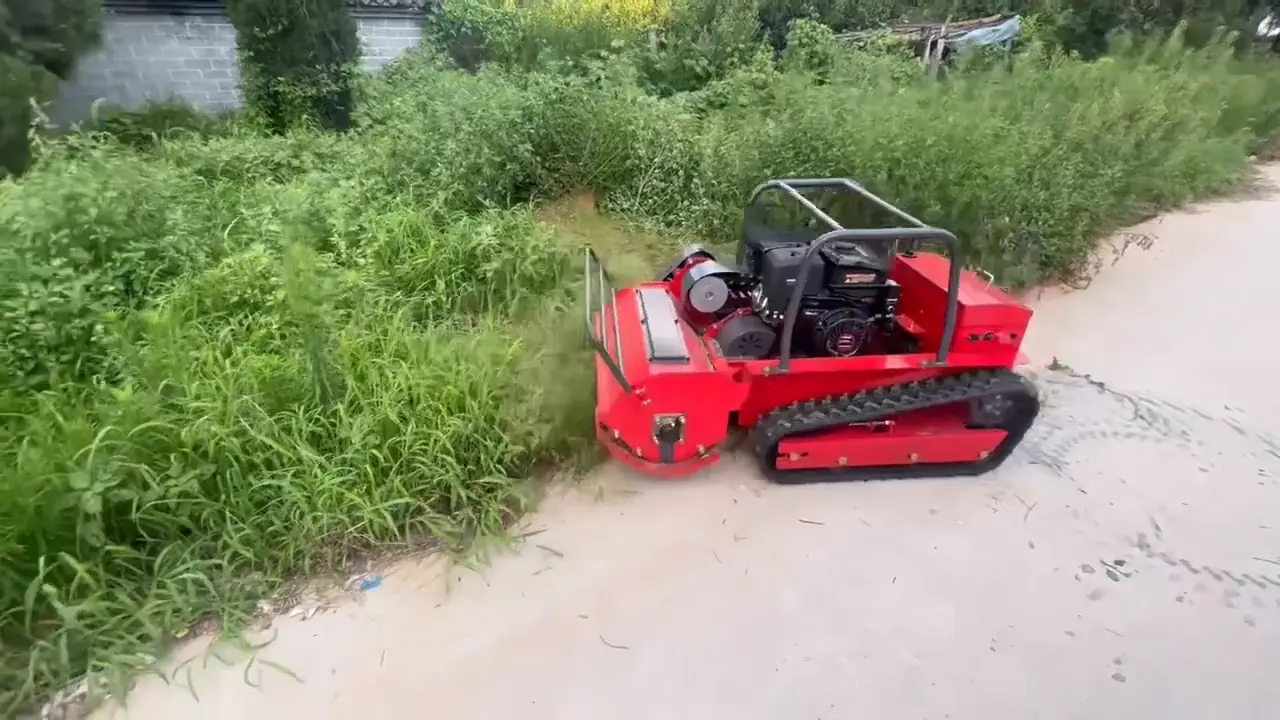
Long meadow grass and banks need a flail mower that handles tall growth. MERI flail mowers cut from 30 to 300 mm, and tracked remote machines work banks up to 45°.
Communicate
Use signs, mown edges and paths through meadows. Complaints fall when people can see the plan.
Where to start
Start small and visible. Choose one or two areas where long grass will not block sightlines, sports use or access, for example a bank, a corner of a park or the edge of a car park. Mark them with a sign and a mown edge. After a season, look at what grew, what people said and how much time was saved, then decide where to extend.
Time saved
| Change | Effect on workload |
|---|---|
| Weekly cut to two cuts a year on a zone | Large saving on that zone |
| Higher cut height on amenity grass | Small saving, less scalping |
| Collecting cuttings on meadows | Extra work at the annual cut |
Saved hours can go to edges, paths and other priorities.
Worked example: a grounds plan with three zones
| Zone | Area share (example) | Cuts per year | Height |
|---|---|---|---|
| Paths, edges, sightlines | 20% | Regular | Short |
| Amenity grass | 50% | Regular | A little higher |
| Meadow and banks | 30% | One or two | High; cuttings removed where possible |
If 30% of the site moves from regular cuts to one or two a year, the time spent there falls by most of its old total. Some of that time goes into the annual meadow cut and collecting cuttings, which is heavier work.
The annual meadow cut
- Choose a dry spell after the main flowering period.
- Cut with a flail mower that handles tall growth; set a high cut.
- Leave a strip or patch uncut each year for shelter, and move it next year.
- Remove cuttings after a few days where you can, so seeds drop first.
- Keep the mown edge and path lines neat all season.
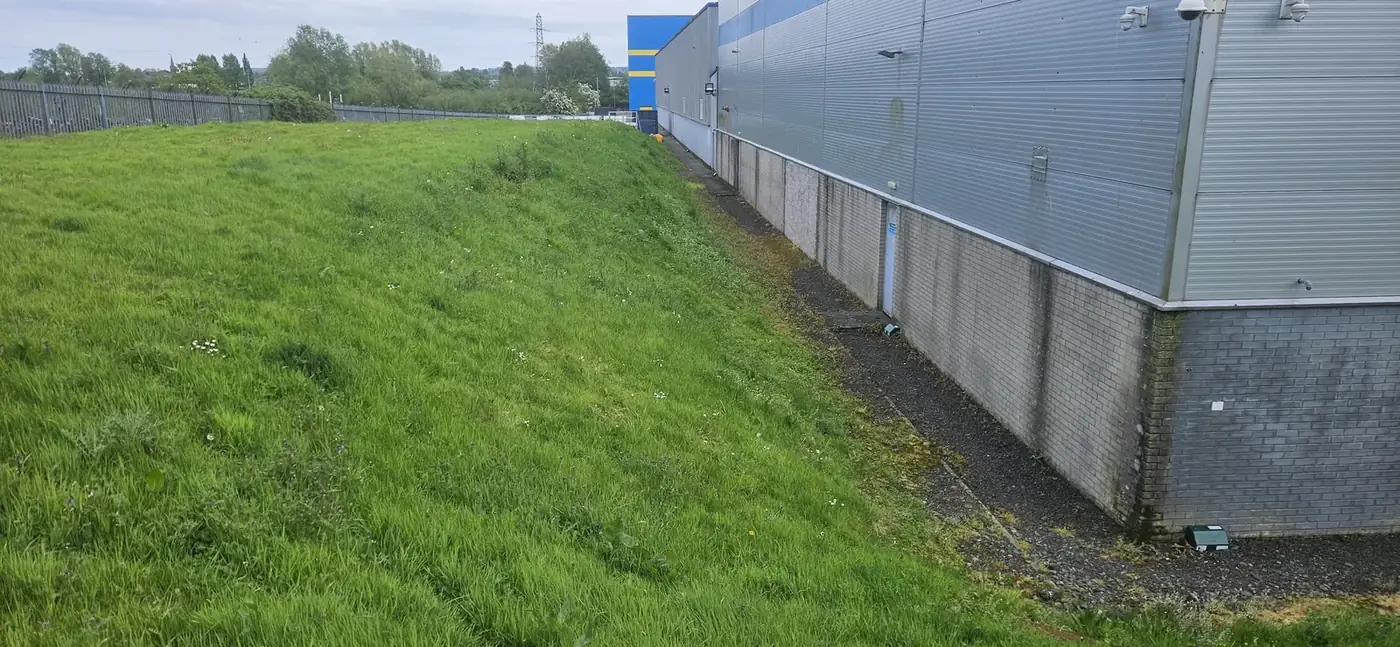
Banks are the easiest place to start
Steep banks are slow and risky to mow often. They are also often away from foot traffic. Moving them to one or two cuts a year saves the most effort for the least complaint. A remote tracked mower cuts them within its 45° rating with the operator standing on firm ground.
Keeping the edges neat
Long grass looks managed when its edges are cut. Mow a strip along paths, kerbs and fences on the normal schedule, and keep sightlines clear at junctions and entrances.
This small amount of regular mowing is what most visitors notice, and it reduces complaints more than any sign.
Common mistakes
- Letting areas grow long with no sign and no mown edge.
- Cutting every meadow on the same day, which removes all shelter at once.
- Leaving thick cuttings on the meadow every year, which keeps fertility high.
- Letting long grass block sightlines at junctions and paths.
Measuring the result
Count what you can: hours saved on each zone, number of complaints, and a simple flower count on a fixed walk through the meadow in the main flowering month. Take photos from the same points each year. These records help when you ask for approval to extend the scheme, and they show where the change did not work and should be reversed.
Related MERI pages
- First cut after No Mow May
- Pollinator-friendly solar mowing
- Native roadside plantings
- Cutting height by model
Frequently asked questions
How often should pollinator areas be mowed?
Usually once or twice a year.
Should cuttings be removed?
On meadows, yes, to lower fertility over time.
Which areas stay short?
Paths, edges and sightlines.
How do I avoid complaints?
Use signs, mown edges and paths.
Send us your site details
Tell us the job, area, slope and country. MERI replies within 24 hours.
Need a mower recommendation for your terrain or project?
Get a Quote