
Short answer: On peat and bog, damage comes from weight and repeated passes. Work in the driest period, use light tracked machines, keep passes to a minimum, avoid turning on the spot, and follow any habitat rules. Some wet areas should not be mown at all.
Why peat is fragile
Peat holds a lot of water and has little strength. Ruts last for years and can change drainage and habitat.
Before work
- Check habitat designations and permitted dates.
- Walk the area and mark the wettest spots.
- Plan a route that avoids them.
Machine choice
| Factor | Why it matters |
|---|---|
| Light weight | Less sinking |
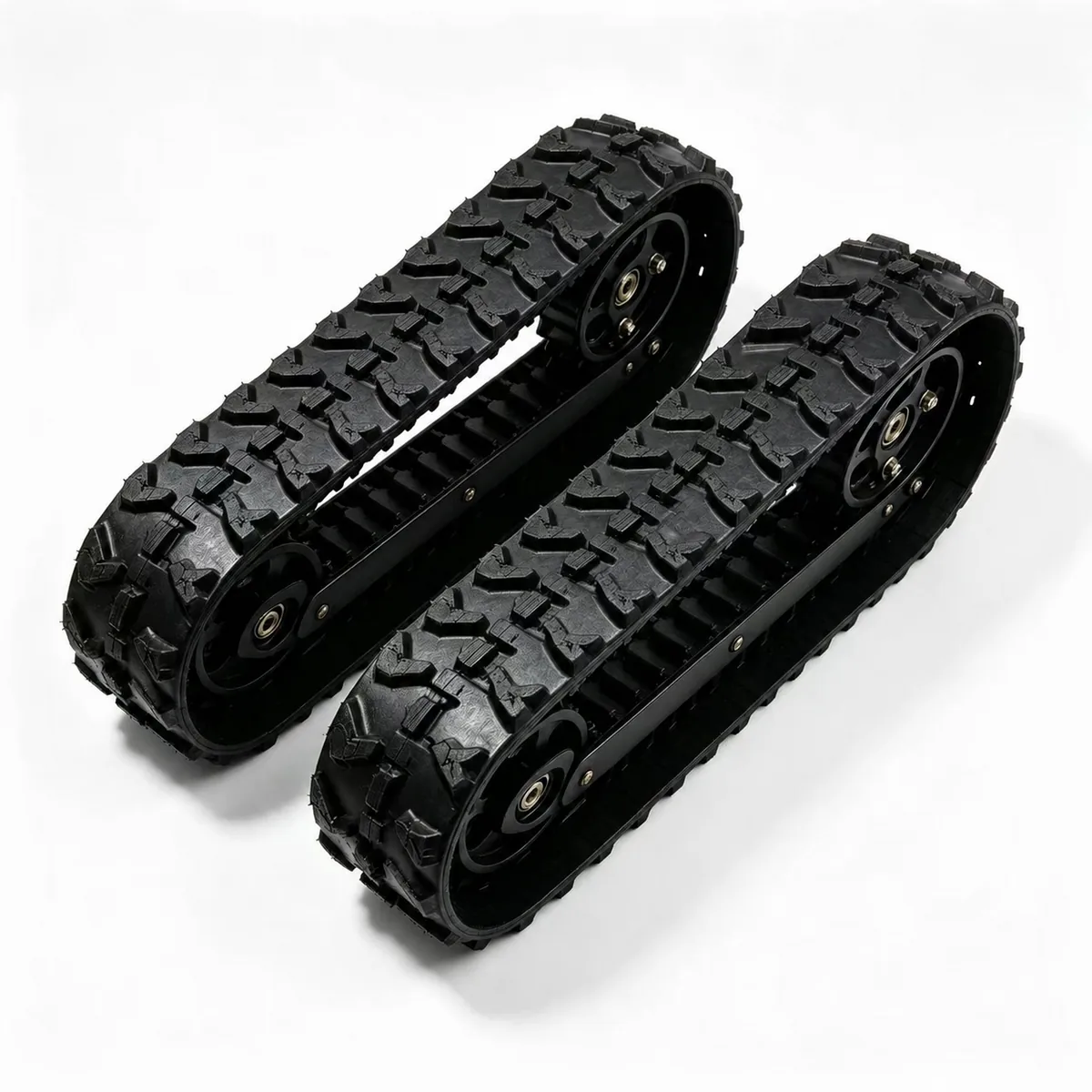
| Tracks | Spread the load |
| Remote control | No one walking on soft ground |
| Narrow head | Fits gaps between wet spots |
Technique
Make wide turns, change lines, and do not stop on soft spots. Cut higher than usual so the machine is not pushing heavy wet grass.
If stuck
Stop before the tracks dig in. Do not spin the tracks. Recover with a planned pull from firm ground.
Habitat value
Many peat and bog areas are protected habitats or carbon stores, and some are part of agri-environment or restoration schemes. Cutting may be part of the management plan, for example to control rush or scrub, but the plan usually sets the dates, the height and the share of the area to cut. Check it before any machine goes on.
Transport and access
Moving the machine onto the site is often the hardest part. Plan a firm access route, use mats or boards across soft spots at the edge, and unload on firm ground. A compact tracked machine on a small trailer is easier to bring in than a tractor and mower.
A low-impact route plan
- Mark the wettest spots with canes or on a phone map before the first pass.
- Choose one entry and one exit route on the firmest ground.
- Cut the firmest areas first while you learn how the ground behaves.
- Keep the machine moving steadily on soft areas; stopping lets it settle.
- Leave a margin around pools and channels.
- Use the same access route each visit so damage stays in one line.
Height and frequency
| Aim | Usual approach |
|---|---|
| Rush control | Cut in the permitted window; repeat in later years as the plan allows |
| Scrub control | Cut small woody growth before it gets large |
| Keeping open habitat | Cut part of the area each year in rotation |
| Access paths | Cut a narrow line only |
The management plan or adviser sets the dates and share of area.
A higher cut leaves less wet material on the surface and puts less load on the machine. Flail mowers in the MERI range cut from 30 to 300 mm, so the height can be set to the plan.
Common mistakes
- Working on the first dry day after a wet spell, when the ground is still soft below.
- Turning on the spot.
- Leaving thick cut material on wet ground where the plan says remove it.
- Bringing in a heavy trailer to the edge of soft ground.
Records for the adviser
Many schemes ask for evidence of work. Keep the date, area cut, cutting height, ground conditions and any rutting, with a few photos taken from the same points each year. These records show whether the cutting is meeting the plan and help agree changes with the adviser.
Daily start check on soft ground
- Walk the first route on foot and press a heel into the surface at wet spots.
- Check the tracks are clean and the tension is correct before driving onto peat.
- Agree the turning areas for the day and keep them on the firmest ground.
- Carry boards or mats and a tow strap on the support vehicle.
- Set a clear stop rule, for example: stop if water rises into the track marks.
Briefing a new operator
Operators used to firm grass often drive too fast and turn too sharply on peat. Before the first day, walk the site together. Show where the ground is firm, where it is not, and which areas are left uncut on purpose. Let the new operator work the easiest area first while an experienced person watches the tracks.
Related MERI pages
Frequently asked questions
When should peat be mowed?
In the driest period, within any habitat dates.
Which machines suit peat?
Light tracked machines, ideally remote-controlled.
How do I avoid rutting?
Minimise passes, make wide turns and avoid wet spots.
What if the machine gets stuck?
Stop early and recover from firm ground; do not spin the tracks.
Send us your site details
Tell us the job, area, slope and country. MERI replies within 24 hours.
Need a mower recommendation for your terrain or project?
Get a Quote