
A solid distribution agreement should bridge the gap between an early product discussion and a workable day-to-day relationship. For a remote mower distributor, that means settling more than price and territory. The final contract needs to connect your machine specs directly to ordering workflows, technical training, spare parts inventory, warranty claims, and even a clean exit strategy.
Start With Products & Order Documentation
Define the exact legal entities involved and the specific mower models covered. Avoid vague language like “all current and future mowers” unless both parties fully intend for that scope. Create a dedicated product schedule that details model numbers, controller specs, included accessories, destination requirements, packaging, and documents supplied with each order.
The delivered unit, nameplate, confirmed order, user manual, engine manual, and controller instructions should be checked together. MERI’s user manual notes that the delivered nameplate and confirmed order take precedence if configuration details ever conflict. Maintaining strict configuration control is a daily operational necessity, not just a line item in a sales brochure.
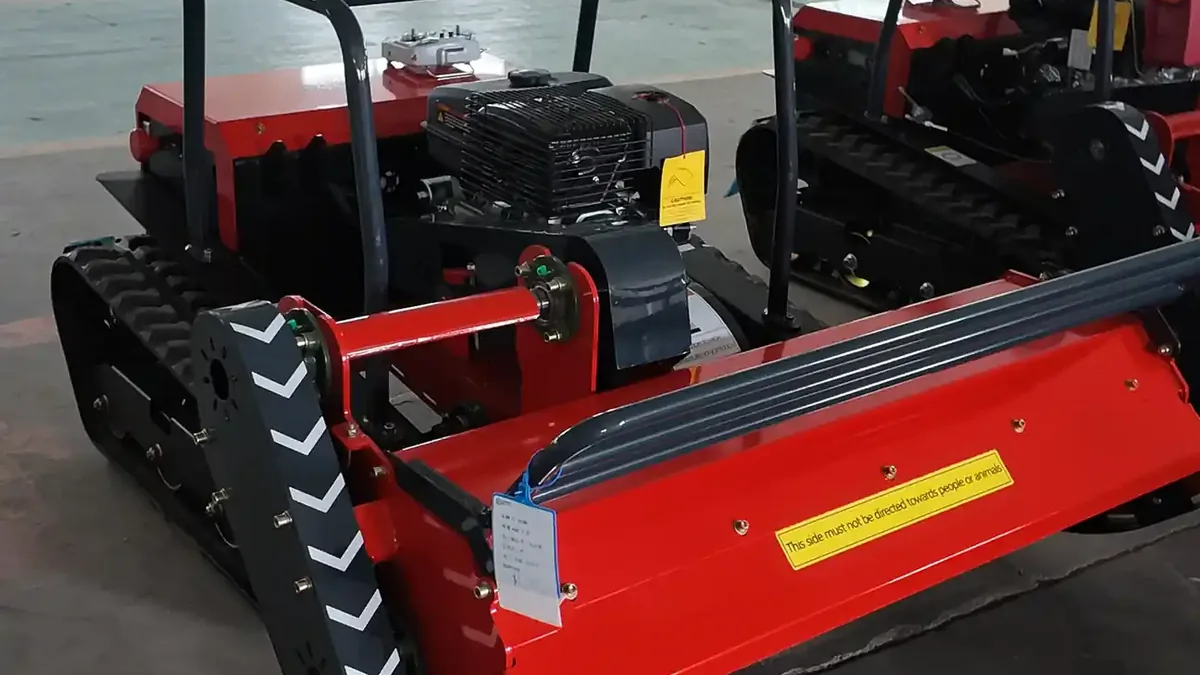
Link your contract to a controlled product schedule or specific quotation rather than hardcoding fluid technical specs directly into the legal body. Establish a clear protocol for engineering modifications: ensure your dealership knows exactly who can authorize changes to engines, controllers, cutter decks, options, labeling, or packaging before the factory modifies the build.
Pinpoint Territory, Channels & Exclusivity Terms
Name the territory by country or another clear boundary. Clearly list all approved sales channels—such as direct B2B accounts, sub-dealer networks, equipment rental fleets, e-commerce, or public tenders. If cross-border web leads come in, establish upfront who owns those leads, who provides local technical support, and how channel conflicts get resolved.
Never leave exclusivity as a single, undefined line item. Clarify whether exclusivity applies to specific products, target customer segments, channels, or the entire geographic territory. Detail when exclusivity takes effect, the performance or service metrics needed to keep it, and the explicit outcome if those targets aren’t met. The U.S. International Trade Administration’s guide on negotiating with foreign representatives underscores the need to clearly address territory, exclusivity, contract length, performance requirements, and termination conditions. Always consult local competition counsel when establishing exclusive terms.
Separate Sales Forecasts From Binding Orders
While rolling forecasts are vital for factory planning and parts supply, they shouldn’t trigger accidental purchase obligations. Clearly define your forecasting window, update cycles, and specify if any portion is legally binding. Detail the exact steps required to formalize a binding order: issuing a formal PO, receiving factory confirmation, submitting the agreed deposit, and signing off on final specs and delivery timelines.
Price schedules should explicitly state currency, tax responsibilities, validity windows, volume pricing tiers, included accessories, and how price updates are handled. Commercial schedules must cover payment milestones, credit terms, wire fees, and late-payment terms. Keep these essential commercial terms consolidated in written agreements rather than scattered across email threads or chat messages.
Define Delivery & Receiving as a Step-by-Step Process
Specify the exact Incoterm, delivery point, packaging requirements, shipping documentation, risk transfer points, and who handles freight booking and transit insurance. For international shipments, use standard Incoterms correctly and keep container logistics distinct from local dealership delivery. MERI’s guide on mower container shipping and Incoterms outlines key operational questions to resolve before booking freight.
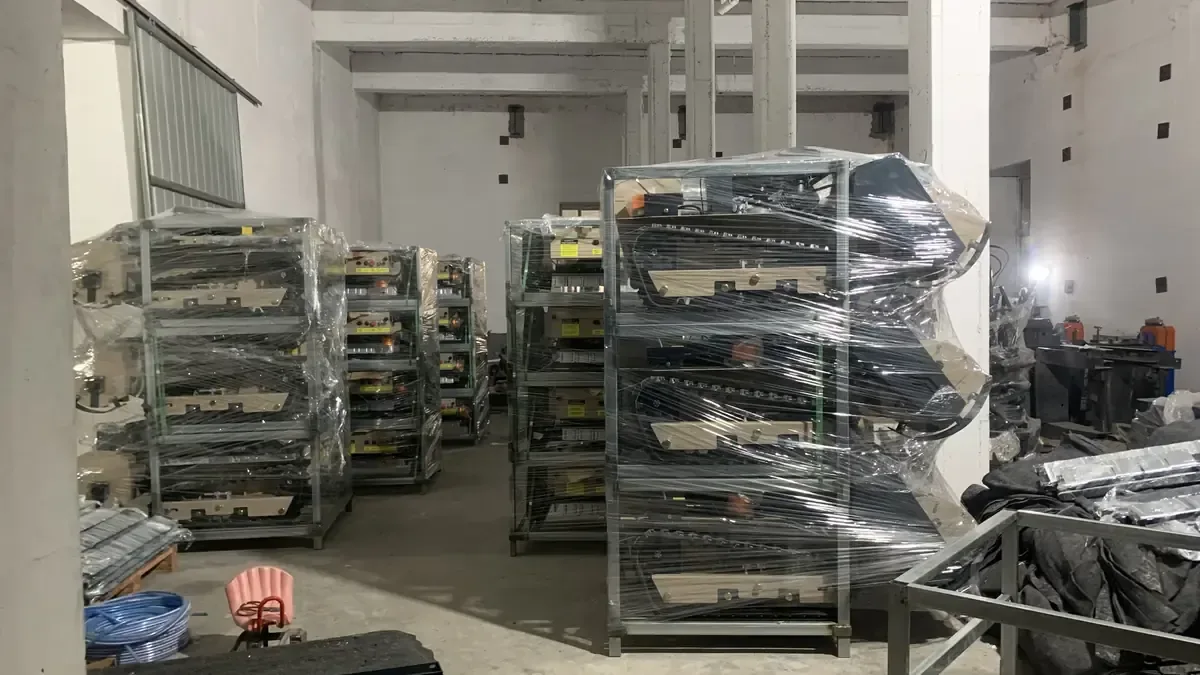
Establish a clear receiving protocol: quantity and packaging verification upon arrival, documentation of visible shipping damage, serial number registration, pre-delivery inspections (PDI), and a set window for reporting discrepancies. Agree how claims will be assessed and which remedies may apply under the signed warranty and local law. Keep these steps systematic and aligned with your written warranty and regional consumer laws.
Establish Measurable Benchmarks for Training & Support
Your agreement should outline available training resources, required attendee qualifications, documented competence, and pre-demonstration requirements. MERI’s practical remote mower demo checklist provides a structured framework for validating operational readiness before conducting public client demos.
After-sales provisions should define first-line support responsibilities, escalation paths, required diagnostic data, maintenance log expectations, and parts order fulfillment. Ground these obligations in a realistic local stocking plan rather than reliance on vague promises of “full support.” MERI’s guide on dealer spare-parts inventory planning illustrates how to structure local stock around your installed base and critical service needs.
Standardize Warranty Work & Field Protocols
Reference the manufacturer’s standard written warranty directly within the contract rather than reinterpreting or modifying terms informally. Detail the procedures for unit registration, proof of purchase, service log tracking, claim notifications, diagnostic evidence, pre-repair approvals, failed parts returns, labor reimbursements, freight costs, and customer communications under local law.
Set up a transparent field-issue escalation path for handling safety notices, recurring technical faults, engineering updates, and corrective actions. Define who maintains serial number registries and customer contact lists, who handles user notifications, and how associated costs and logistics are split. Product liability, indemnity terms, liability caps, and recall protocols require thorough legal review by qualified counsel.
Protect Brand Assets, Content & Customer Data
Lay out clear guidelines for using brand trademarks, product imagery, technical manuals, promotional videos, translated content, and marketing claims. Require prior approval for modified technical statements, avoiding claims that exceed current documented specifications. This protects both the dealer and manufacturer from liabilities stemming from unverified performance promises.
Define lead-routing procedures and data-handling rules. Customer registries, web leads, machine telemetry, support logs, and service records often contain protected personal or commercial data. Detail the purpose, access rights, storage protocols, security measures, and data retention policies, and align the process with applicable privacy law.
Establish Review Schedules, Renewals & Exit Terms
Agree on a fixed contract term, formal review intervals, and renewal conditions. Performance reviews should focus on objective metrics: confirmed order volumes, payment history, forecast accuracy, demo readiness, service coverage, parts availability, customer feedback, and brand compliance. Stick to operational metrics that both parties can track and document.
Termination provisions must outline required notice periods, material breach definitions, cure windows, insolvency conditions, safety protocols, and remedies for repeated non-performance. Establish a complete exit plan covering open purchase orders, remaining inventory, spare parts, customer support continuity, confidential data, branding materials, digital channels, web leads, and service archives. An agreed exit process helps both sides manage open orders and customer support if the relationship ends.
One-Page Negotiation Checklist
| Core Focus | Key Commercial Question | Reference Schedule / Documentation |
|---|---|---|
| Scope | Which legal entities, mower models, and machine configurations are included? | Product & Specification Schedule |
| Market | What geographic territories, customer segments, and sales channels are covered? | Territory & Channel Schedule |
| Exclusivity | What specific milestones activate, maintain, modify, or cancel exclusivity? | Performance Schedule & Review Logs |
| Orders | What precise workflow transitions a rolling forecast into a binding PO? | Forecast, PO & Order Confirmation Workflow |
| Delivery | Who manages freight logistics, transit insurance, risk transfer, and receiving checks? | Incoterms, Delivery Points, Packing & Inspection Protocols |
| Support | Who conducts operator training, handles diagnostics, stocks spare parts, and supports end users? | Training Syllabus, Service Escalation Map, Local Parts Plan |
| Exit Plan | How will pending orders, inventory, customer support, data assets, and branding be managed upon contract end? | Termination Protocol & Offboarding Schedule |
Insights From Dealer Inquiries
MERI’s anonymized inquiry database includes 12 distributor and bulk-purchase inquiries. Several ask about manufacturer support or begin with an evaluation unit. These enquiries are not evidence of a sale or a signed agreement. While these inquiries don’t replace formal contracts, they highlight why product evaluation, hands-on training, territory boundaries, service frameworks, and structured growth belong in your initial discussions.
Before requesting formal contract terms, review MERI’s guides on assessing a remote mower supplier and the dealer demo checklist. Supplier evaluation, product evaluation, and contract negotiations are distinct steps—each requiring proper documentation.
Frequently Asked Questions
Should a new remote mower dealer request market exclusivity upfront?
Exclusivity is best addressed after defining your exact territory, product scope, sales channels, service commitments, target metrics, review cycles, and exit terms. Because exclusivity impacts competitive dynamics and risk profiles, consult local legal counsel before finalizing terms.
Can an initial trial order be incorporated into the master distribution agreement?
Yes, though many partners prefer starting with a standalone evaluation agreement or initial purchase order. If incorporating a demo unit into your master contract, clearly detail its configuration, price, receiving process, training schedule, support terms, and whether it impacts future territorial rights or exclusivity.
Which schedules should be attached to the main agreement?
Standard schedules cover product specs and configurations, wholesale pricing, territory and channel maps, forecasting procedures, delivery protocols, warranty routing, technical training, spare parts management, brand usage rules, performance benchmarks, and primary contacts. Counsel may recommend additional legal schedules based on local requirements.
Is a generic contract template sufficient for international mower distribution?
No. While a generic template provides a helpful structural starting point, it cannot account for market-specific laws regarding competition, commercial agency, consumer rights, taxation, imports, data privacy, liability, or contract termination. Always work with qualified local legal counsel in your target jurisdictions.
Need a mower recommendation for your terrain or project?
Get a Quote