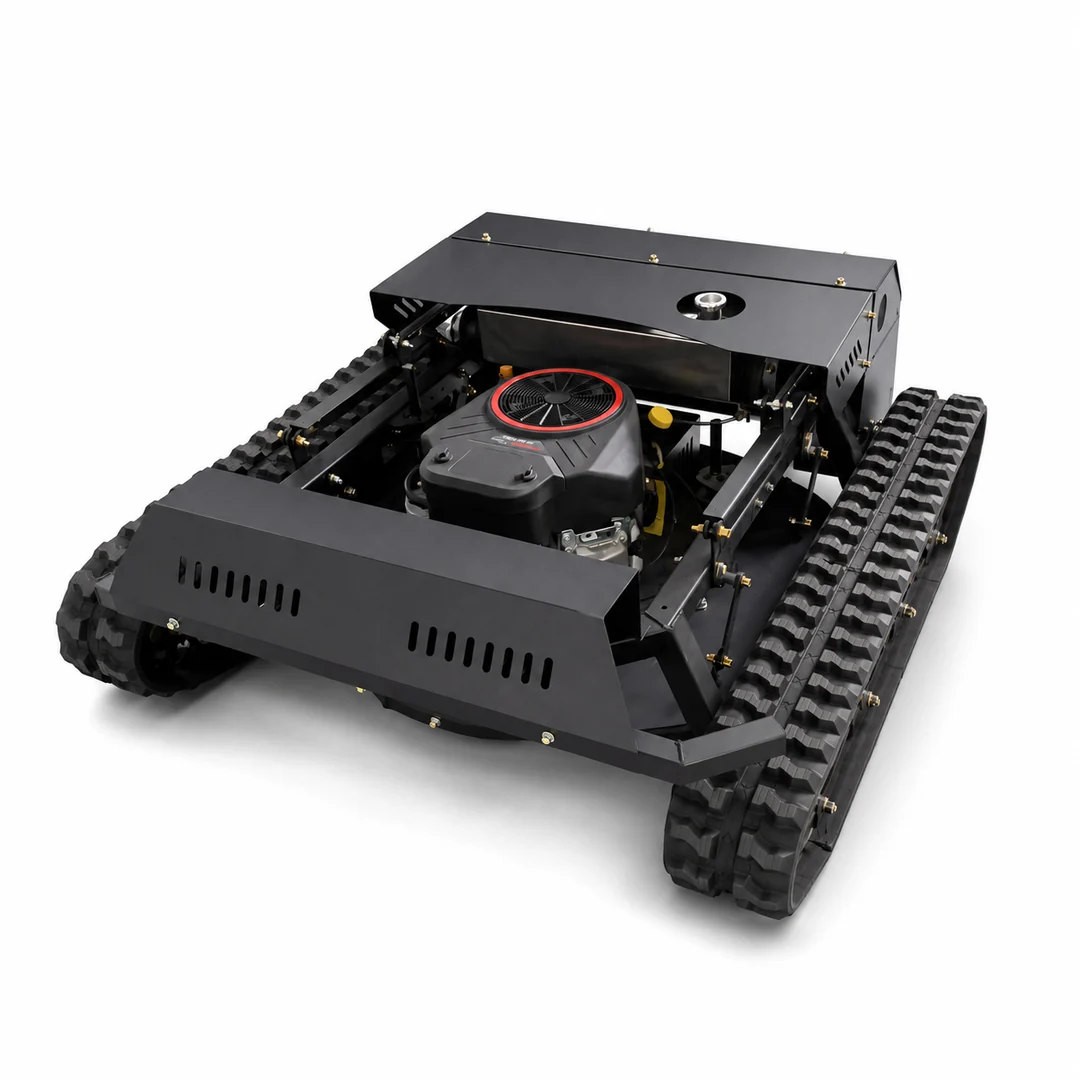
A gasoline remote mower that loses power does not automatically need a new fuel filter. Fuel quality, air intake restrictions, excessive cutting load, and cooling-air blockages can produce overlapping symptoms. A useful fuel-filter check begins by identifying the installed engine, following its official manual, and strictly separating initial field observations from a confirmed diagnosis.
Why Engine Identity Comes First
MERI remote mowers utilize different engine configurations across model lines. Always record the exact engine identification alongside the mower model and original order reference. Depending on the engine design, a fuel filter may be located inside the fuel tank or mounted inline along the fuel supply hose. Never assume that a filter visible on another machine or model is correct for yours. Always consult the matching engine manual and official parts documentation before opening the fuel system.
Recognize Symptoms Without Guessing the Cause
Uneven running or reduced engine power warrants a structured investigation, not an automatic assumption of a restricted filter. The MERI operator manual lists the air cleaner, fuel quality, excessive cutting load, and cooling-air blockage among primary low-power checks. Record precisely when the symptom occurs: before the cutter engages, under heavy load, or after seasonal storage. Stop the machine rather than continuing heavy cutting to “test” a suspected fuel fault. If the cause remains unclear, request technical support.
| Observation | Action Required |
|---|---|
| Fuel Leakage | Stop work immediately. Keep all ignition sources away and arrange for authorized correction. |
| Low Engine Power | Follow the approved engine troubleshooting sequence for air, fuel, load, and cooling checks. |
| Suspected Dirty Filter | Identify the exact part number and review the engine manufacturer’s service requirements. |
| Repeated Contamination | Ask qualified service personnel to investigate the fuel source and system and specify the required corrective work. |
| Unclear Filter Identity | Send engine identification details and safe photographs to MERI before placing an order. |
Inspect Safely Before Requesting Parts
Park the mower securely on level ground, disengage the cutter, and stop and isolate the machine using your manual instructions. Allow the engine to cool completely. Work strictly away from smoking, sparks, and open flames in an area meeting the engine manufacturer’s safety requirements. Never disconnect a fuel line merely to observe fuel flow. Because removing a filter can release liquid fuel, work should only be performed by personnel following correct procedures with proper personal protection and spill control. Unfamiliar or inaccessible fuel arrangements should be referred to qualified service personnel.
Select the Exact Filter for Your System
Select a replacement filter using the exact engine parts reference, fuel-feed arrangement, and approved manufacturer specification. Where flow direction is specified or marked, follow the filter markings and engine instructions. There is no universal micron rating, hose diameter, replacement interval, or installation method that applies to all engines. While MERI’s general maintenance schedule requires routine fuel-system inspection, the engine manufacturer’s schedule dictates component-specific service. Never extend or guess service intervals.
Confirm the Repair Before Returning to Work
Replacement alone does not prove that the rest of the system is clean or leak-free. Follow the engine manufacturer’s post-service checks and do not operate if fuel leakage remains. If the original power problem persists, continue the approved diagnosis rather than repeatedly changing filters. Record the part reference, date, hours if known, observed contamination and completed checks. Do not start a leaking engine or remove hot fuel-system parts to obtain photographs.
What to Send MERI for Support
- Mower chassis ID, engine identification, and order reference.
- Detailed description of symptoms and when they occur.
- Fuel age and storage history (if known).
- Markings or part numbers printed on the existing filter body.
- Safe overall photos of the machine and the fuel filter location.
- Record of any recent maintenance or checks completed.
Frequently Asked Questions
Does low engine power prove that the fuel filter is blocked?
No. Air intake restriction, poor fuel quality, heavy cutting load, and cooling blockages share overlapping symptoms. A systematic check is required.
Can I copy the maintenance interval from another engine model?
No. You must follow the specific service schedule and component instructions provided by the manufacturer of your installed engine.
Can I run the mower without a fuel filter to confirm a fault?
No. Never bypass a fuel filter. Bypassing specified fuel protection can allow contamination into the fuel system.
Order the Right Match for Your Machine
Avoid guesswork by confirming your exact engine configuration. Contact the MERI technical team with your mower and engine records for configuration-specific support.
Need a mower recommendation for your terrain or project?
Get a Quote