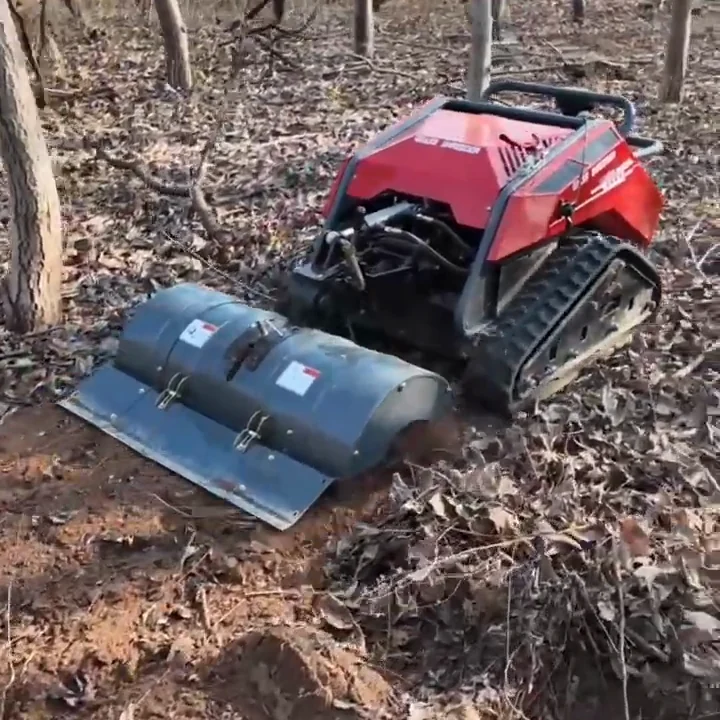
Short answer: Shallow cultivation cuts or uproots small weeds in the top few centimetres of soil between crop rows. It works best on young weeds, in dry, sunny weather, at a shallow and even depth. Working deeper brings up new weed seed and dries the soil. Repeat on new flushes and combine with mulch or cover between crops.
How it works
Most weed seeds that germinate sit near the surface. A shallow pass cuts small seedlings at the root or leaves them on top of the soil to dry out. Working only the top layer keeps buried weed seed down, where it cannot germinate.
Vegetable and organic extension guides stress the same point: small weeds are easy, big weeds are hard. A shallow pass on tiny seedlings does more good than a deep pass on established weeds.
Timing is everything
- Work when weeds are at the white-thread or first true leaf stage.
- Choose a dry, sunny day so uprooted weeds dry out.
- Avoid working just before rain, which can re-root weeds.
- Repeat when the next flush appears, often every one to two weeks in the growing season.
Set the depth and speed
| Setting | Target | Why |
|---|---|---|
| Depth | Shallow and even, a few centimetres | Cuts weeds without bringing up new seed |
| Distance from the crop | Set to protect crop roots | Roots spread wider than the leaves |
| Rotor speed | Lower than for seedbed work | Leaves a coarse surface that dries out |
| Forward speed | Steady | Even depth and cut |
Try a short run and check weeds and crop roots before working the whole field.
Protect the crop
Roots of many crops spread into the space between rows. Cultivating too close or too deep can cut them, which slows the crop. Leave a narrow untouched strip next to the crop row, and work shallower as the crop grows. In orchards and vineyards, take care near trunks, drip lines and shallow roots.
Where a remote tiller fits
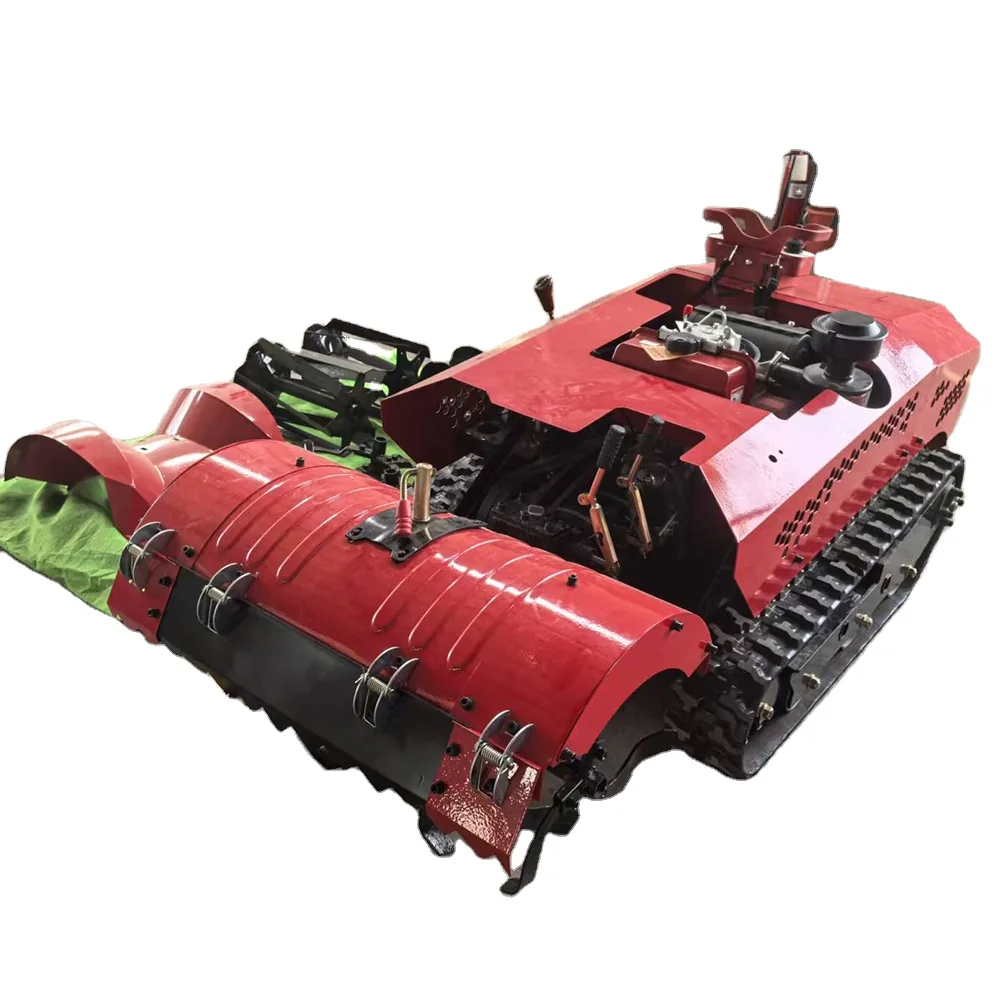
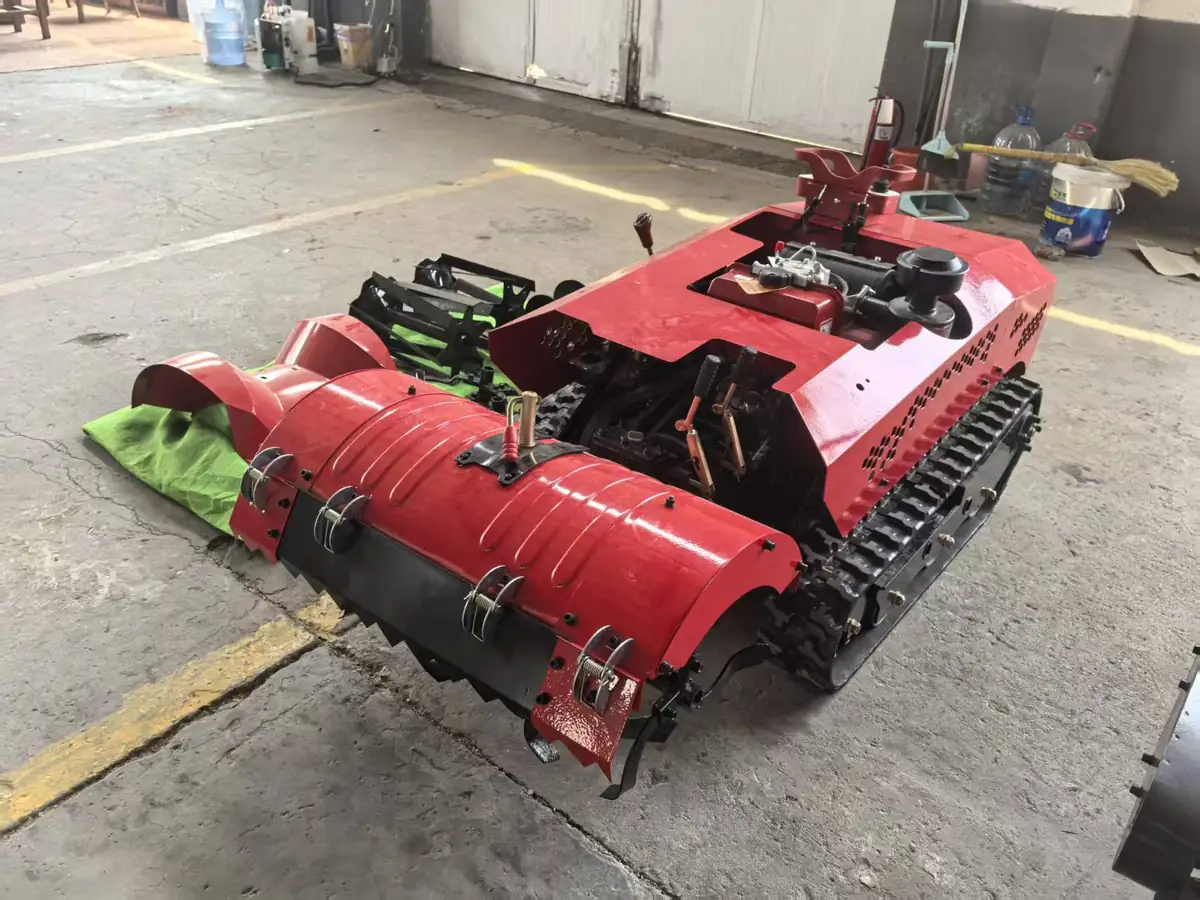
A remote machine lets the operator walk beside the row and watch the depth and the crop edge closely. MERI ME800RT and ME-RT PRO are tracked multi-function machines with rotary tillers, used in orchard rows and on beds. For very close work around the crop, hand tools or dedicated cultivators may still be needed.
Example: an orchard floor strip
An orchard with young trees has a weedy strip between the grass alley and the tree row. The grower runs a shallow pass when a new flush of small weeds appears, on a dry morning, keeping a safe distance from the trunks. The surface is left rough. Two weeks later a second, smaller flush is treated the same way. Through the season the strip stays mostly clear with four passes, each shallow, and the soil below is left undisturbed.
Common mistakes
- Waiting until weeds are large and woody.
- Working deep, which brings up new weed seed.
- Cultivating wet soil, which re-roots weeds and smears the soil.
- Cutting crop roots by working too close to the row.
Combine methods for better control
Shallow cultivation works best as part of a plan. A stale seedbed before planting removes the first flush of weeds. Mulch in the crop row covers the zone the tiller cannot reach. Cover crops or grass between rows after the crop is established shade out later weeds.
Keep a simple record of each pass: date, weed size, soil condition and result. Over a season, the record shows how many passes each field needs and which timing gave the best control. That helps you plan labour and machine time for the next season.
Check the machine before each pass, too. Wrapped weeds or roots on the rotor change the working depth and the finish. Clear the rotor with the engine off and the machine isolated. Worn blades also cut less cleanly at shallow depth, so check them more often during weeding season. A short look at the first few metres of each pass shows whether weeds are cut cleanly or just pushed aside. If many weeds are left rooted, change speed or depth before continuing.
Related MERI pages
- Chemical-free weed control on farms
- Stale seedbed with a rotary tiller
- Tiller tines wrapped with grass and roots
- Tree-row strip options
- Remote control orchard tillers
Frequently asked questions
How deep should shallow cultivation be?
Only deep enough to cut the weeds evenly, usually a few centimetres. Deeper work brings up new weed seed.
When is the best time to cultivate weeds?
When weeds are very small, on a dry, sunny day with no rain forecast.
Can a rotary tiller do shallow weed control?
Yes, at a shallow depth and lower rotor speed, but it is not suited to working very close to crops.
Does shallow cultivation replace herbicides?
Some growers use it as their main method, others alongside other methods. Follow your own crop plan and local rules.
Send us your site details
Tell us the job, area, slope and country. MERI replies within 24 hours.
Need a mower recommendation for your terrain or project?
Get a Quote