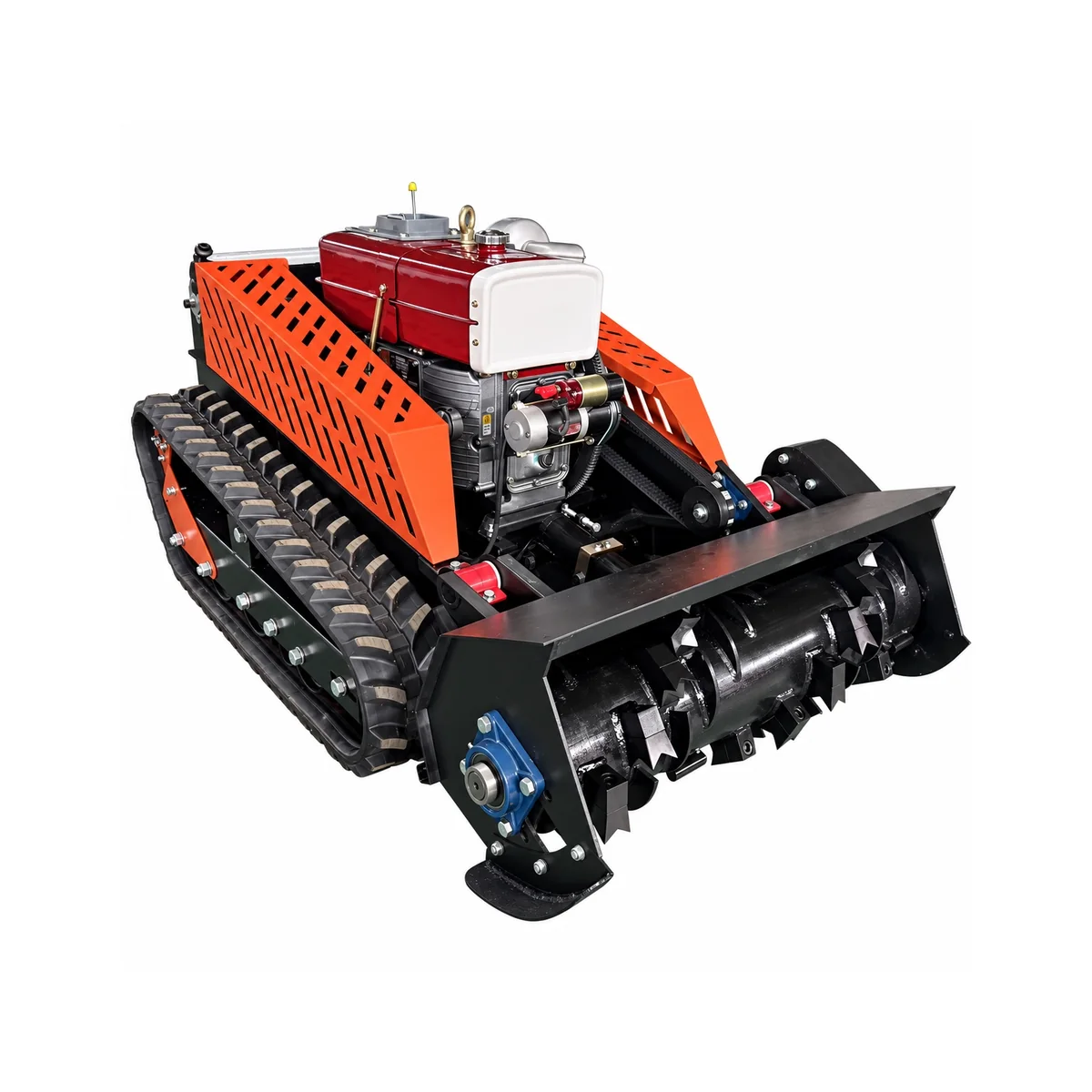
Short answer: Clear cotoneaster from limestone and chalk grassland in the dry months, when the turf can carry a light tracked machine. Cut before the berries ripen, protect the thin turf around each bush, and plan stump follow-up. On protected sites, work only under the site manager’s plan.
A garden shrub gone wild
Several cotoneaster species have escaped from gardens in the UK and Ireland. Birds eat the red berries and drop the seed on cliffs, quarries and old grassland. On limestone and chalk grassland, cotoneaster spreads into dense mats and small bushes that shade out the rare plants these sites are known for.
Conservation teams often need to remove it without damaging the thin, species-rich turf around it.
Protect the turf
Limestone and chalk turf is shallow and slow to recover. Heavy machines and wheel ruts can damage it for years.
- Work in dry weather, when the ground is firm.
- Use a light tracked machine and avoid sharp turns on the turf.
- Plan entry and exit routes along paths or the hardest ground.
- Keep the mulching head off the turf surface.
- Rake up heavy chip piles that would smother the turf.
A remote tracked machine lets the operator stand back on the path and place the machine precisely.
Mats versus bushes
| Growth form | Suggested tool | Notes |
|---|---|---|
| Low mats on turf | Hand tools or careful flail work | Avoid scalping the turf |
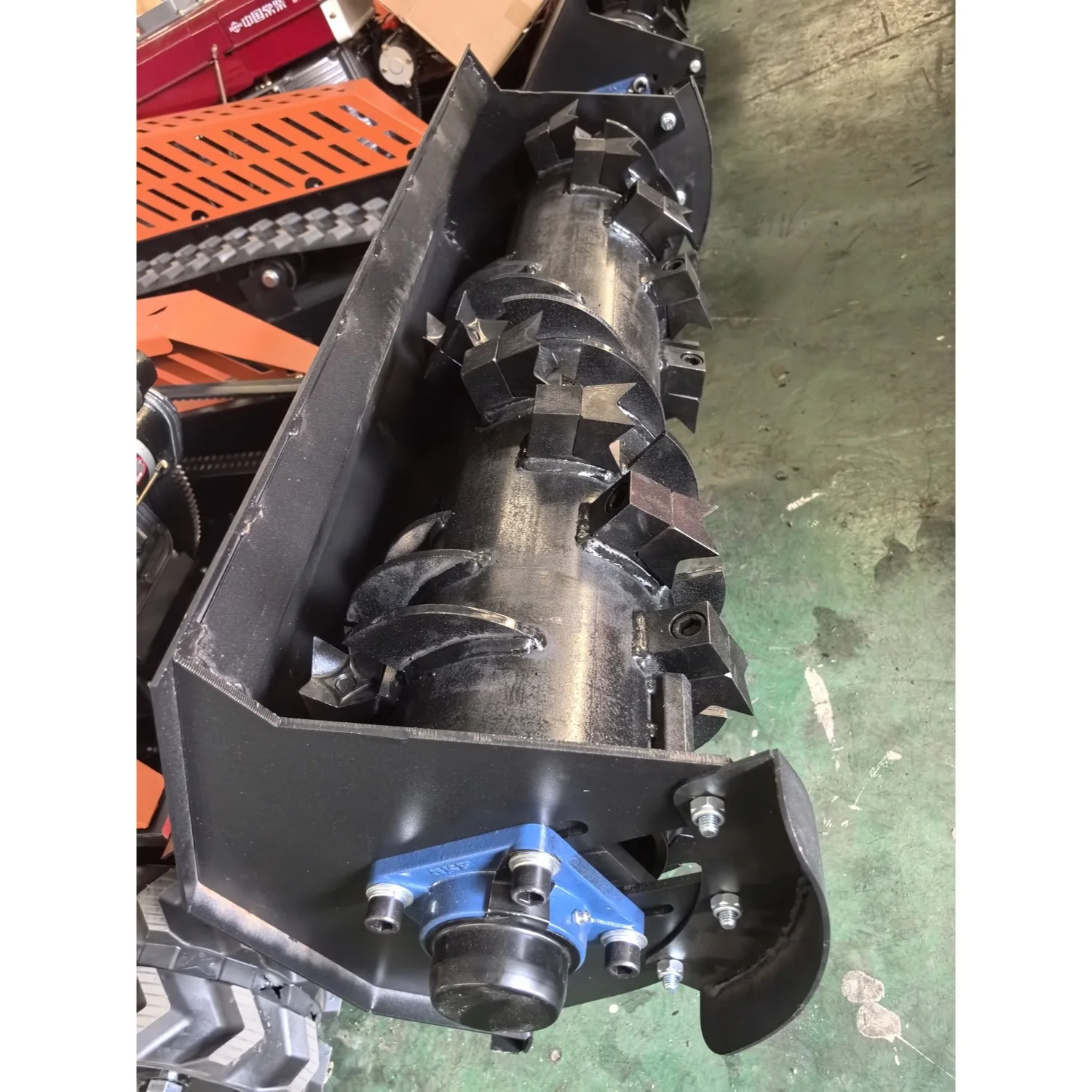
| Small bushes | Heavy flail mower or mulcher | MERI flail models cut 30 to 300 mm |
| Large shrubs and thickets | Forestry mulcher | Stems up to about 30 cm under suitable conditions |
| Plants on cliffs | Specialist rope teams | Outside machine work |
Follow the site management plan for protected grassland.
Timing and berries
Clear before the berries ripen in late summer and autumn. Once berries are ripe, birds carry them off. Nesting season also matters on scrub, so check for nests and follow ecology advice.
Cotoneaster resprouts from stumps and roots. Follow-up visits are part of any plan. MERI does not advise on chemicals; follow the site manager’s plan and label.
Slopes and quarries
Many sites are steep: quarry faces, valley sides and old railway cuttings through limestone. A tracked remote machine works the slope while the operator stays on safe ground. MERI tracked machines are rated to 45°. The ME-RFM1000-E climbs 45° and works up to 35°. The standard remote range is 800 m.
Planning a clearance day
Most conservation teams plan cotoneaster work as a series of clearance days rather than one big job. Each day targets a block of the site, with the machine, a hand crew and a clear plan for where chips and brash will go.
- Agree the block and access route with the site manager.
- Mark bushes to remove and any to keep.
- Hand crew cuts mats and works near rare plants.
- Machine clears larger bushes and thickets.
- Rake chips off the turf where they are thick.
- Record what was cleared and photograph each block.
Over several years the blocks rotate, and follow-up visits catch regrowth and new seedlings.
Common mistakes
- Working in wet weather and rutting the turf.
- Leaving thick chip layers on species-rich grassland.
- Clearing berried plants in autumn and spreading seed.
- Skipping follow-up on stumps.
- Turning a tracked machine sharply on thin turf.
Slow, careful work on a few blocks each year beats a fast clearance that damages the grassland.
Records that help
Record each clearance block with a map, date, photos and a note of rare plants seen nearby. Return to the same photo points after a year. The records show how quickly the turf recovers and whether cotoneaster seedlings are returning. They also make the next clearance day easier to plan, because the team can see which blocks need a light follow-up and which still hold large bushes. Share the records with volunteers and the site manager, so everyone works from the same picture of the site.
Protected sites
Many limestone and chalk grasslands have conservation designations. MERI does not advise on what is allowed on them. Work only under the plan agreed with the site manager or conservation body.
Related MERI pages
- Chalk downland steep turf mowing
- Heathland scrub encroachment
- Blackthorn and hawthorn scrub encroachment
- ME-RFM1000-E electric mulcher
- Remote control mowers in the UK
- Slope ratings by model
Frequently asked questions
How do I remove cotoneaster from grassland without damage?
Work in dry weather with a light tracked machine, keep the head off the turf and rake up heavy chip piles.
When should cotoneaster be cleared?
Before the berries ripen, and outside bird nesting season where possible.
Will cotoneaster regrow after cutting?
Yes, it resprouts. Plan follow-up visits under the site plan.
Can a remote mulcher work on quarry slopes?
Yes, within its rating. The operator stays on safe ground while the tracked machine works the slope.
Send us your site details
Tell us the job, area, slope and country. MERI replies within 24 hours.
Need a forestry mulcher recommendation for your terrain or project?
Get a Quote