
Short answer: Wet ground ruts under heavy machines and can stay damaged for years. Plan mulching for dry or frozen periods, use tracked machines, keep routes short and varied, avoid spinning the tracks, and stay out of watercourses and buffer zones.
Why it matters
Ruts damage soil structure, change drainage and make regrowth patchy. On some sites they also break permit conditions.
Timing
| Condition | Action |
|---|---|
| Dry season | Best time |
| Frozen ground | Often workable where allowed |
| After rain | Wait |
| Saturated ground | Do not work |
Technique
- Plan routes to avoid the wettest spots.
- Make wide turns.
- Change the line on each pass.
- Keep the mulch layer under the tracks where possible.
- Stop before tracks start to spin.
Machines
Tracked machines spread their weight. A remote mulcher keeps the operator off soft ground. The ME-RFM1000-D is rated to 45°; the -E climbs 45° and works at up to 35°.
Watercourses
Stay out of streams and buffers. Do not leave mulch where it can wash into water.
If the machine sinks
Stop early, do not spin the tracks, and plan recovery from firm ground.
Records
Note conditions and any rutting so the next job can be timed better.
Planning the job
Visit the site after rain before quoting. Note where water sits and which areas drain quickly. Quote with a weather window and agree with the client that work stops when ground conditions make rutting likely. This protects the site and avoids disputes.
A simple ground test
| What you see | What to do |
|---|---|
| Water sits in track marks | Do not work; come back later |
| Boot sinks and the hole fills with water | Wait |
| Surface firm, soft spots in hollows | Work firm ground; avoid hollows |
| Ground firm across the site | Work normally; change lines |
| Ground frozen hard | Work where allowed; watch for thaw |
Test in several places, not only at the gate. Hollows, spring lines and shaded areas stay wet longest.
Worked example: a wet corner
A client wants a 1-hectare block of brush mulched, but one corner holds water after rain. The contractor mulches the firm ground first, using the mulch layer as a mat under the tracks on the softer edges. The wet corner is left and marked. Two weeks later, after a dry spell, the corner is firm enough and is finished in a few hours. The client gets a clean job without ruts, and the quote already allowed for a return visit.
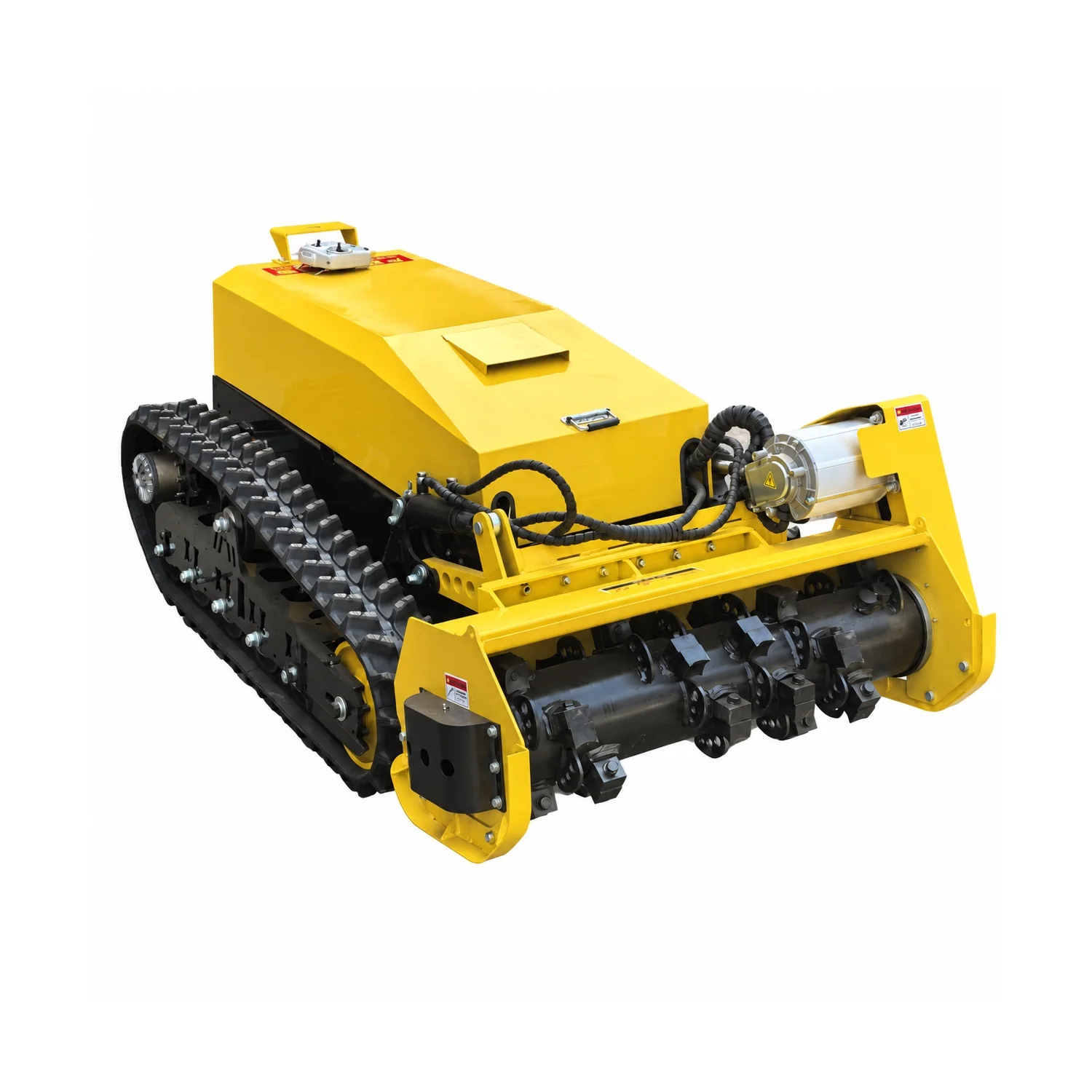
Using the mulch as a mat
On softer ground, mulch the material in front of the machine and drive on it. The layer spreads the load and protects the surface. Keep passes straight and turns wide, and avoid stopping on soft patches. If the ground starts to pump water or the tracks begin to slip, stop and move to firmer ground.
Common mistakes
- Quoting without seeing the site after rain.
- Working the wettest area first.
- Spinning tracks to get through a soft patch.
- No return visit allowed for in the quote.
Seasonal notes
In many regions late summer is the driest window, but it may clash with fire risk and nesting rules. Frozen ground in winter can carry machines over soft sites where allowed, but plan to stop as soon as the thaw starts. Spring is usually the worst time: ground is wet and growth begins. Plan the year so the wettest sites fall in the driest weeks.
Agreeing timing with the landowner
Wet ground jobs often wait for the weather. Make that part of the agreement from the start. Give a working window, not a fixed date, and explain the ground test you use. Tell the landowner which parts can be done in most weather and which need dry ground. Clients who know the reason rarely complain about a short delay; they complain about ruts.
Leaving the site after a wet-ground job
- Walk the access route and the work area and photograph any track marks.
- Rake out or fill shallow ruts before they hold water.
- Check that drains and ditch lines are not blocked by mulch.
- Clean mud off the machine before it goes on the road.
Related MERI pages
- ME-RFM mulcher FAQ
- Mowing peat and boggy ground
- Working clay after rain
- Track width and ground pressure
Frequently asked questions
When is the best time to mulch wet sites?
In dry or frozen periods where allowed.
How do I avoid rutting?
Avoid wet spots, make wide turns and change lines.
What if the tracks start to spin?
Stop before they dig in.
What slope can the ME-RFM1000-D work?
45°.
Send us your site details
Tell us the job, area, slope and country. MERI replies within 24 hours.
Need a forestry mulcher recommendation for your terrain or project?
Get a Quote