Short answer: Ploughs handle the roads, but HOA complaints usually come from sidewalks, mailbox clusters, steps and steep shared drives. Write these into the snow contract with priorities and timing, and use compact machines that fit paths and slopes.
Common problem spots
- Sidewalks along the community roads.
- Mailbox clusters and bin areas.
- Steep shared driveways.
- Steps and ramps to common buildings.
- Pool and clubhouse entrances.
Priorities
| Priority | Area |
|---|---|
| 1 | Steep drives and main walks |
| 2 | Mailbox and bin areas |
| 3 | Clubhouse and amenities |
| 4 | Secondary paths |
Contract terms
State the trigger depth, response time, areas included, de-icing, and how residents report problems. Ask for service logs with times.
Steep drives
Steep drives are where slips and stuck cars happen. Clear early, then treat with grit or de-icer as the contract allows. A tracked machine grips better on slopes than a wheeled one.
Compact machines
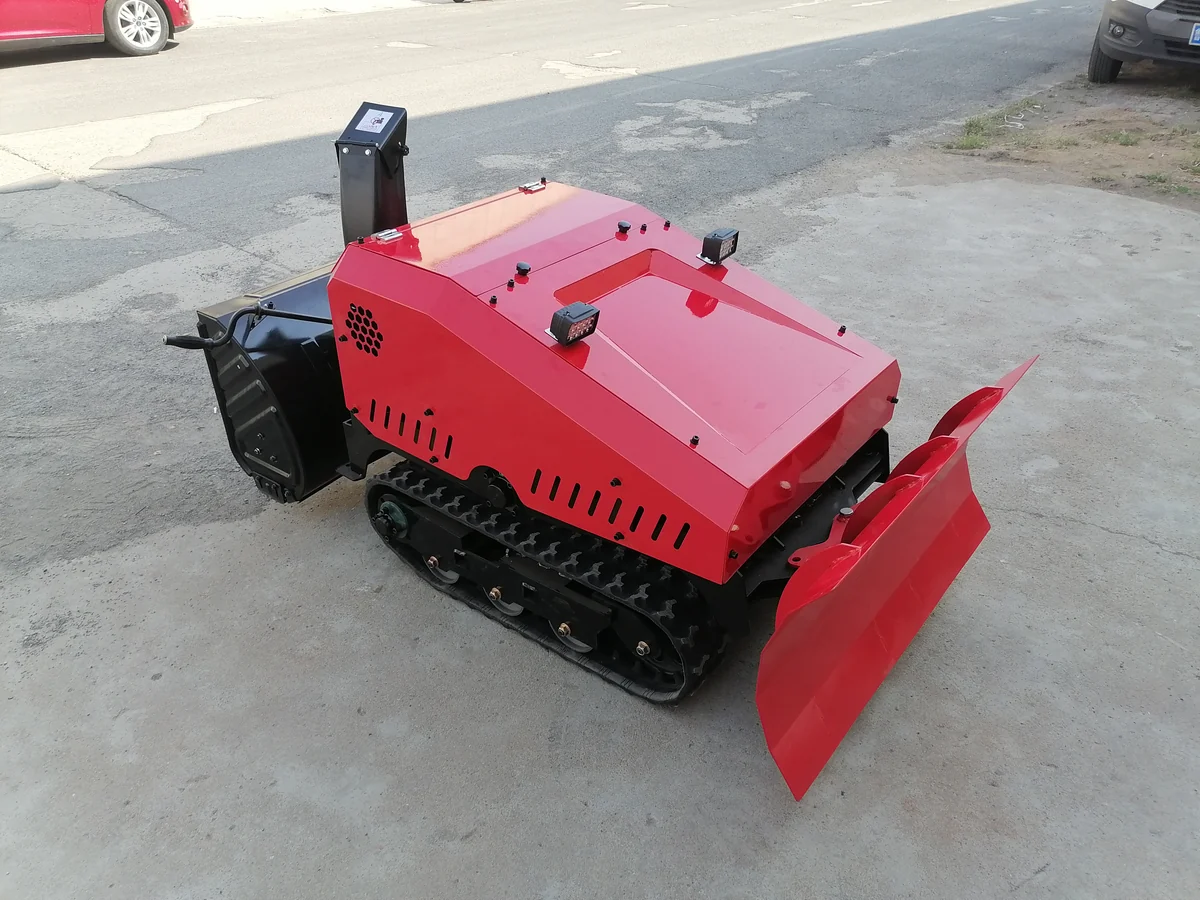
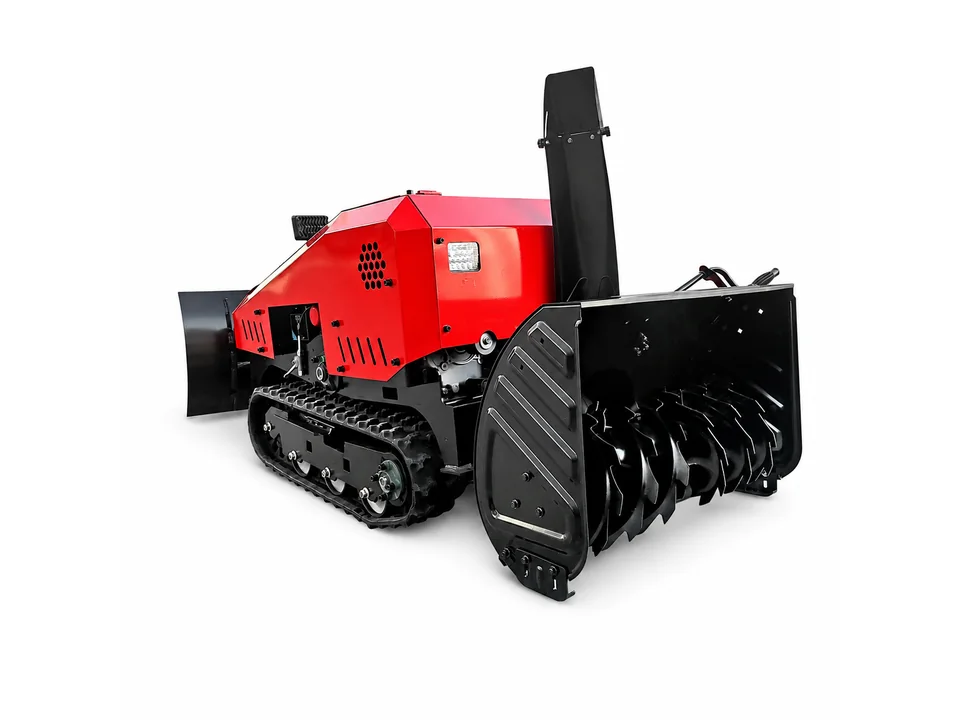
Tracked snow machines fit sidewalks and mailbox areas. The MERI ME-RS is remote-controlled, so the operator can stand back from the chute. See the snow blower FAQ for models.
Residents
Tell residents when crews will clear, ask them to move cars from shared drives, and keep paths clear of bins on clearing days.
Records
Logs and photos help answer complaints and insurance questions.
Budgeting
Snow budgets vary from year to year. A seasonal contract fixes the cost; a per-event or per-push contract follows the weather. Many HOAs pick a seasonal contract with a cap on extra events. Whatever the type, make sure sidewalks, mailboxes and steep drives are named in the scope.
Equipment storage
If the HOA owns a machine, store it close to the work in a dry place, with fuel and grit nearby, and keep a list of trained operators.
Storm-day sequence
- Check the forecast and confirm crews the evening before.
- Start on steep drives and main walks before cars pack the snow.
- Clear mailbox clusters and bin areas next.
- Do clubhouse and amenity entrances before opening time.
- Finish secondary paths.
- Treat steep drives and steps after clearing, as the contract allows.
- Log times and photos for each area.
Snow that is cleared before it is driven on is far easier to move than packed snow, especially on steep drives.
Technique on steep drives
Work across the slope only within safe limits and keep the machine pointed so the discharge goes away from cars, doors and walks. Start at the top where the drive meets the road so cars can get out first, then work down. Keep the operator off the slope and to one side, which remote control allows. Take narrower passes in deep snow so the machine is not pushing a heavy load uphill.
Sample contract terms
| Term | Example |
|---|---|
| Trigger | Clearing starts at an agreed snow depth |
| Response | Steep drives and main walks first, within an agreed time |
| Areas | Map attached with priority numbers |
| Ice | Grit or de-icer on steep drives and steps after clearing |
| Evidence | Time-stamped log and photos per event |
Example only; set depths and times with your contractor.
Common mistakes
- Clearing roads first and leaving steep drives until cars have packed them.
- Throwing snow onto cleared walks or parked cars.
- No map, so new crew members miss areas.
- No log, so complaints cannot be answered.
Mailbox clusters and visitor parking
These small areas cause many complaints. Give them their own line on the route sheet.
- Clear a path from the footway to the front of each mailbox cluster.
- Leave room for the mail vehicle to pull in, if it stops there.
- Clear visitor bays after the main roads, before residents leave for work if possible.
- Do not push snow into mailbox areas or onto cleared paths.
Resident requests on storm day
Residents will ask for extra work during a storm. Agree in advance who can approve it, usually the manager. The crew should log the request and pass it on, not change the route. After the storm, review the requests. Repeated ones often show a gap in the contract.
Related MERI pages
Frequently asked questions
What causes most HOA snow complaints?
Sidewalks, mailbox areas and steep shared drives.
What should the contract include?
Trigger depth, response time, areas, de-icing and logs.
Why clear steep drives first?
They are where slips and stuck cars happen.
Why use a tracked machine?
It grips better on slopes and fits paths.
Send us your site details
Tell us the job, area, slope and country. MERI replies within 24 hours.
Need a mower recommendation for your terrain or project?
Get a Quote