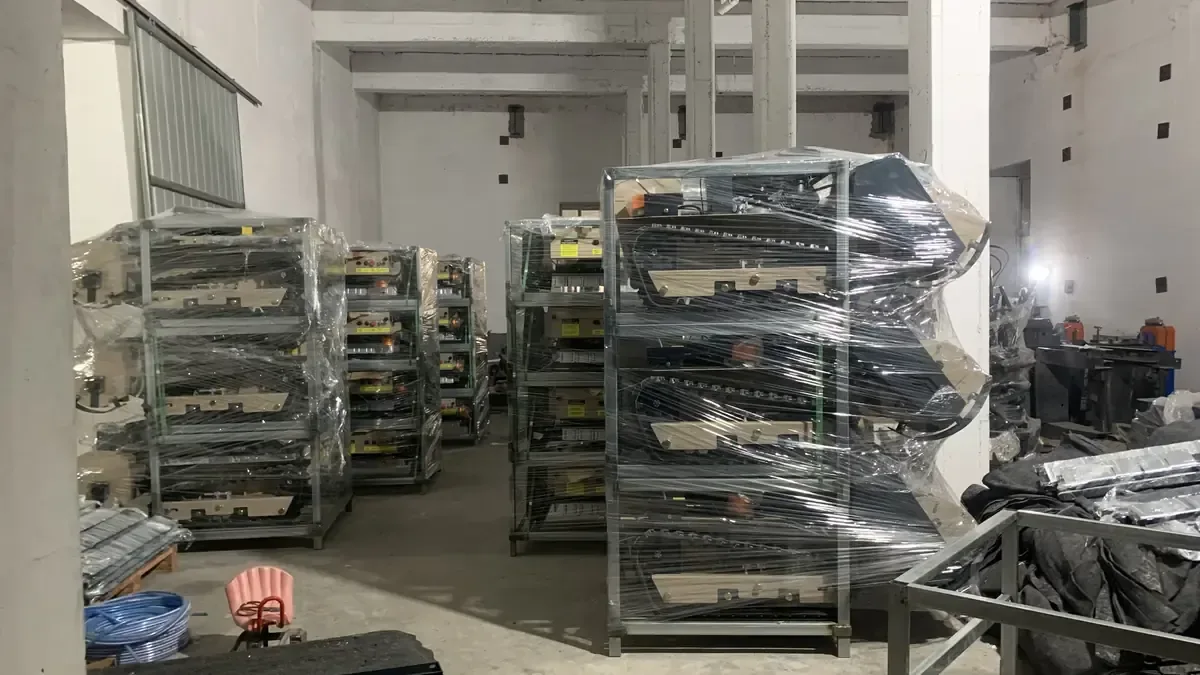
Remote mower cutting width selection is a site-access decision before it becomes a productivity decision. A wider deck can cover more ground per pass, but it creates no value if the machine cannot clear the narrowest gate, orchard row, trailer ramp or turning point.
Quick answer
- Measure the narrowest usable opening, not the average space.
- Include the complete machine width, not cutting width alone.
- Check headlands, cross-slopes, loading ramps and transport.
- Use representative field tests before assuming output.
Map every access constraint
Measure gates, rows, bridges, paths, panel spacing and storage doors. Add practical clearance for steering corrections and vegetation movement.
A machine that fits on paper can still fail at a sharp turn or sloping entrance. Walk the complete route from trailer to work zone.
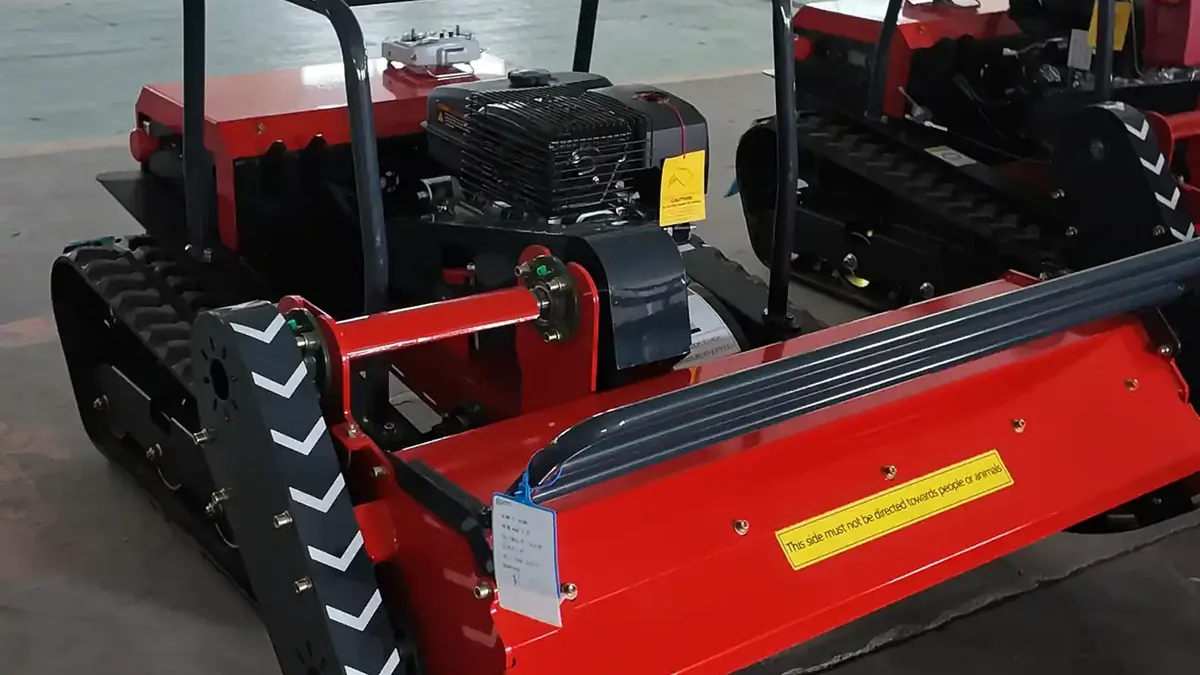
Balance width against terrain
Wide cutting systems reduce passes on open ground. Narrower machines can be easier to place between trees, posts and uneven transitions.
Slope, surface, vegetation density and the required finish determine working speed, so width alone cannot predict daily output.
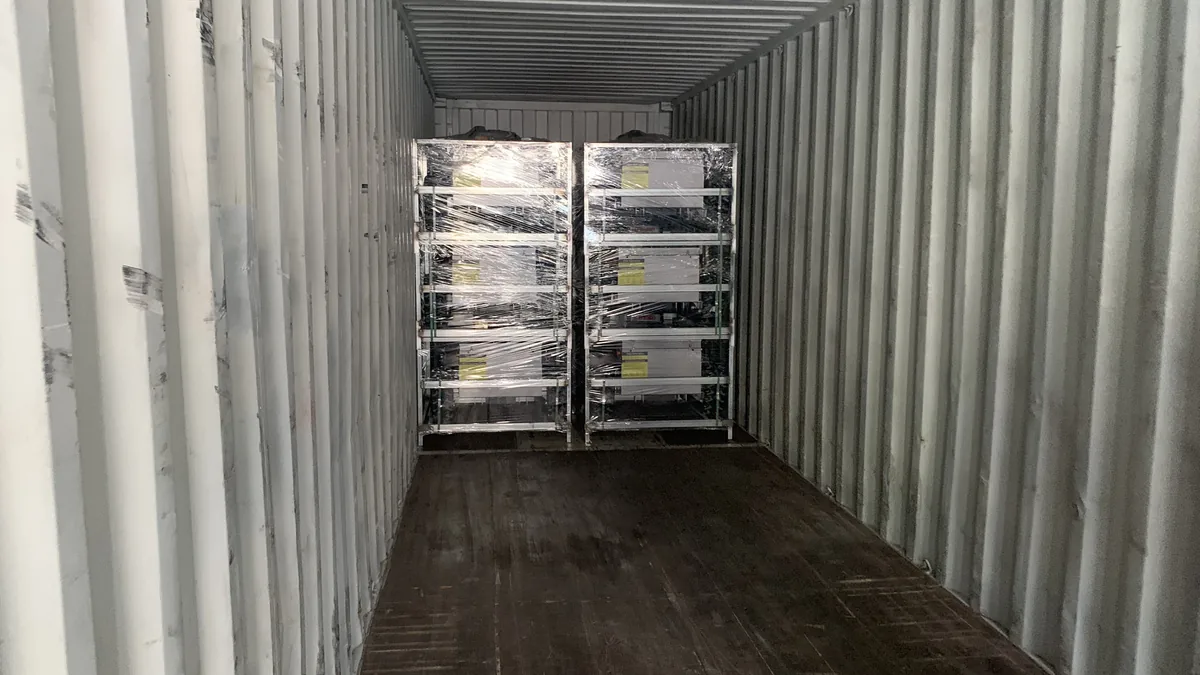
Confirm transport and support
Check trailer deck, ramp width, load rating, tie-down method and service-space needs for the exact delivered build.
Compare current specifications and run a controlled demonstration on representative ground.
| Question | Why it matters | Evidence |
|---|---|---|
| Narrowest opening | Controls access | Measured clear width |
| Turning room | Controls maneuvering | Site plan or trial |
| Vegetation | Controls load and speed | Representative test |
| Transport | Controls daily deployment | Trailer and route check |
Buyer Checklist
- Measure the full access route.
- Record row and gate clearance.
- Check turning and cross-slope transitions.
- Verify exact machine and deck dimensions.
- Confirm trailer and loading fit.
- Test on representative vegetation.
Frequently Asked Questions
Is the widest deck always faster?
No. Stops, turns, dense vegetation and access restrictions can erase the advantage.
Should cutting width equal row width?
Leave practical clearance for plants, posts and steering corrections.
Does width determine slope capability?
No. Use the exact machine documentation and site assessment.
What should a buyer send MERI?
Send narrowest access, terrain, vegetation, desired finish and transport details.
Plan the Right MERI Configuration
Send the narrowest gate, row spacing, terrain and vegetation. MERI can narrow the range to configurations that fit the complete work route.
Need a mower recommendation for your terrain or project?
Get a Quote