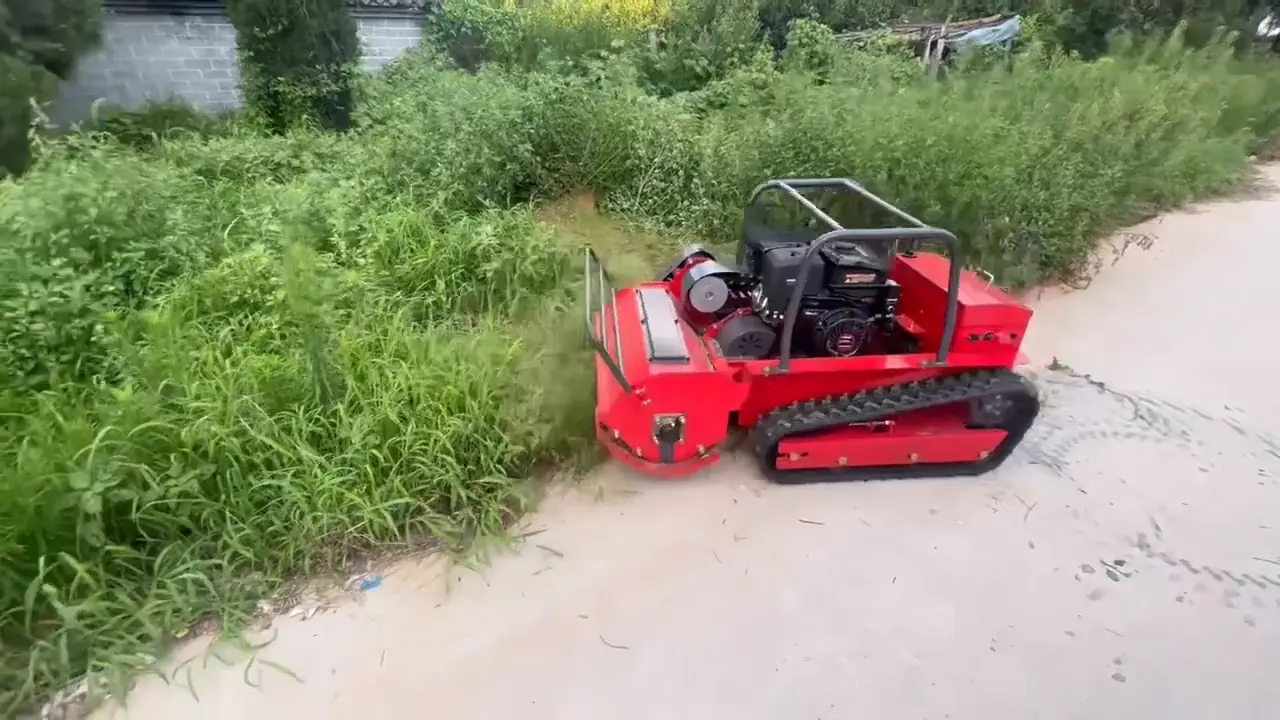
Short answer: Rush skeletonweed regrows from deep roots and root fragments, so mowing alone does not kill it and can spread seed if done late. Mow before flowering, clean machines between sites, and combine mowing with the control methods your local weed authority recommends.
Why it is hard to control
Skeletonweed has deep roots and regrows from root pieces. Its seeds blow on the wind once flowers open. A single mowing pass rarely removes a patch.
Mowing pitfalls
- Mowing after seed set spreads seed along the road.
- Carrying plant material on machines to new sites.
- Mowing only once; the plant regrows.
- Scalping soil, which helps new seedlings.
Better practice
| Step | Action |
|---|---|
| Before flowering | Mow to stop seed set |
| Between sites | Clean machines |
| Follow-up | Repeat cuts; combine with recommended control |
| Records | Map patches and treatments |
Talk to your weed authority
Many regions list skeletonweed as a declared or priority weed. Follow the local control plan, which may include specific methods and reporting.
Machines
Remote tracked mowers handle steep roadside banks where patches often grow. MERI flail mowers cut 30–300 mm and are rated to 45°.
Hygiene
Clean machines after working infested roadsides so seed and root pieces do not move to clean sites. Record where infestations were cut.
Reporting
In some regions skeletonweed is a declared weed; check whether sightings must be reported.
A roadside control calendar
| Stage | Mowing | Other actions |
|---|---|---|
| Rosettes | Avoid scalping; note patches | Map and report as required |
| Stems forming | Plan cut before flowers open | Arrange treatment with your weed authority |
| Flowering | Cut only if seed has not formed; clean machines after | Record dates and locations |
| Seed set | Avoid mowing; it spreads seed | Follow the authority’s plan |
| After season | Check regrowth | Plan next year’s round |
Timing depends on your climate. Use the stage of the plant, not the calendar date, to decide when to cut.
Cleaning a machine between sites
- Park on a hard surface away from drains, inside the infested area.
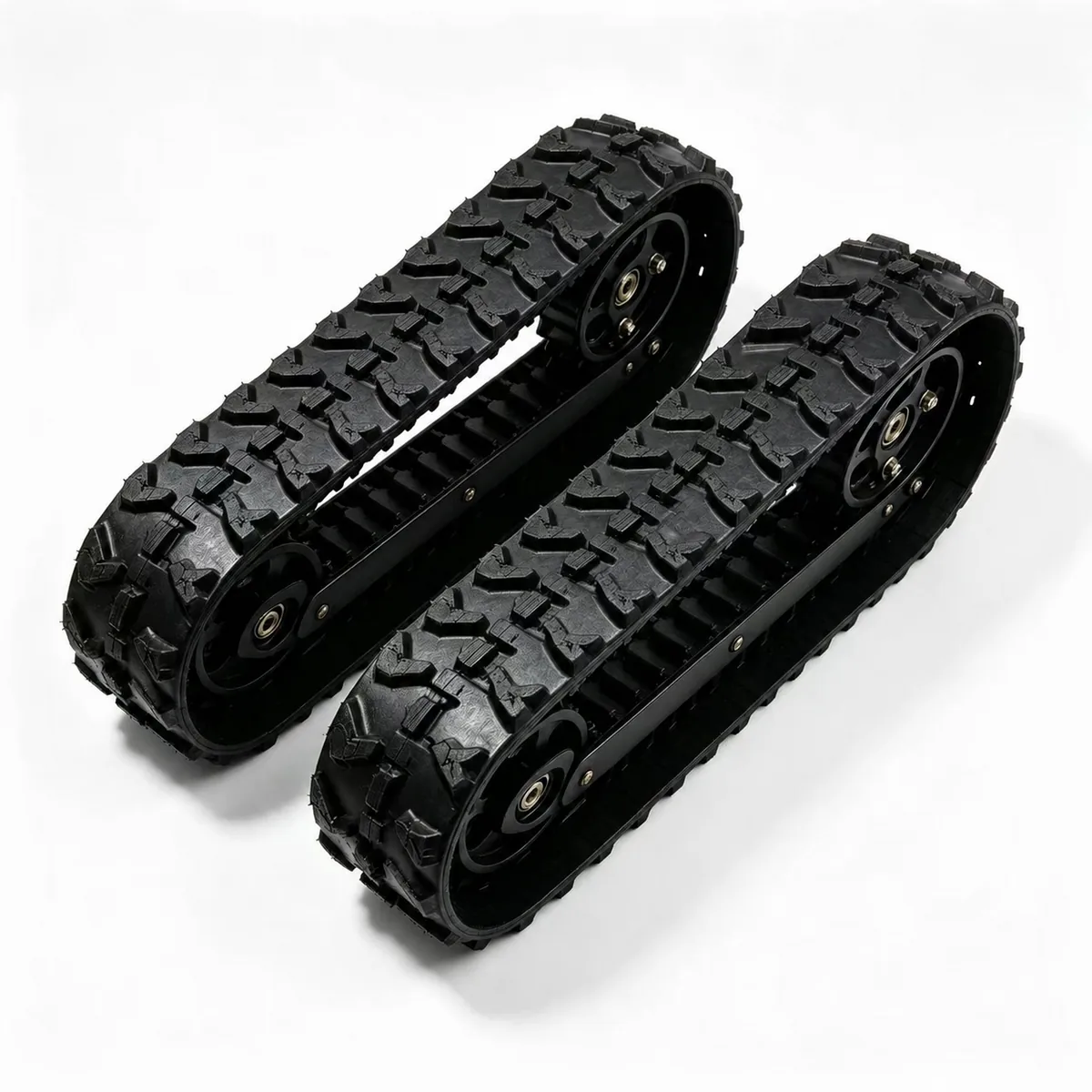
- Knock off and brush down plant material from the deck, tracks and frame.
- Check under guards and around the track rollers, where seed collects.
- Collect the material and dispose of it as your weed authority directs.
- Record the clean-down in the job log before moving to the next site.
Steep banks and safe working
Skeletonweed often grows on dry, steep road banks. MERI flail mowers are rated to 45° and cut 30–300 mm. Measure the steepest part of each bank before you schedule it.
Road verges also bring traffic risk. A remote mower lets the operator stand back from the carriageway and away from the machine. Follow your traffic management plan for the road type.
Working with neighbours and landholders
Skeletonweed on a road verge often spreads from, or into, the paddocks beside it. Tell landholders when and where you will cut, ask about patches on their side of the fence, and agree who controls which strip.
Share the patch map with your weed authority so the work on both sides lines up. A verge treated alone keeps being reinfested from the next field.
Common mistakes
- Mowing all roadsides on the same date, regardless of plant stage.
- Moving straight from an infested site to a clean one.
- Cutting so low that bare soil invites new seedlings.
- Not sharing patch maps with the weed authority.
Keeping a patch map
A patch map is the most useful tool for roadside skeletonweed. Record the road, the start and end point of each patch, the date found and the plant stage. Add every cut and every treatment. Over two or three seasons the map shows whether patches are shrinking, staying the same or spreading along the road. It also tells mowing crews where to clean down and which sections to leave until the weed authority has treated them.
Related MERI pages
Frequently asked questions
Does mowing kill rush skeletonweed?
No; it regrows from deep roots. Mowing before flowering stops seed set.
Can mowing spread it?
Yes, if done after seed set or if machines carry plant material.
What else is needed?
The control methods your local weed authority recommends.
Should machines be cleaned?
Yes, between sites.
Send us your site details
Tell us the job, area, slope and country. MERI replies within 24 hours.
Need a mower recommendation for your terrain or project?
Get a Quote