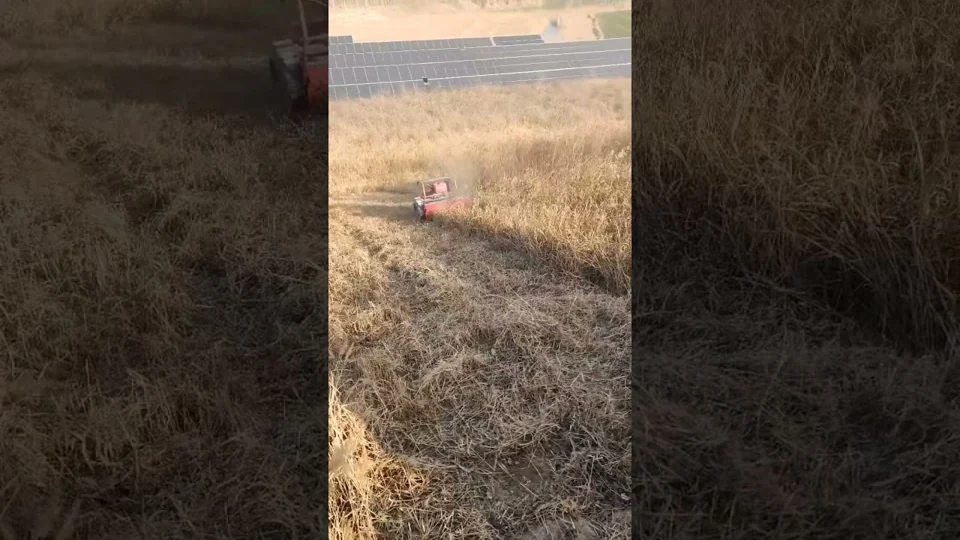
Short answer: Build your solar farm mowing calendar around four points: the spring growth flush, any nesting or wildlife restrictions, the fire season, and winter ground conditions. Cut early and often in spring, cut before restrictions begin, cut fuel down before fire season, and use winter for repairs and route planning. Adjust the number of cuts to your contract height limit.
Solar farms need short vegetation all year. Grass that grows too tall shades panels, hides cables and adds fire fuel. But growth is not even through the year. A fixed monthly cut wastes effort in slow months and falls behind in fast ones. This guide shows O&M teams and contractors how to plan by season instead.
A season-by-season calendar
| Season | What happens | Mowing focus |
|---|---|---|
| Late winter | Little growth; ground may be soft | Service machines, walk routes, mark hazards |
| Spring | Fast growth flush | Short intervals; cut before nesting rules start |
| Early summer | Growth slows; grass sets seed | Cut before seed; keep panel edges clear |
| Fire season | Dry grass becomes fuel | Low fuel near inverters, fences and tracks |
| Autumn | Second growth in some climates | Topping cut; clear before winter |
Your climate decides the dates. In the tropics, plan around wet and dry seasons instead of spring and winter.
Spring: stay ahead of the flush
Spring growth is the main challenge. If the grass gets too tall, each cut takes longer and the clippings pile up. Short, frequent cuts are easier on the machine and leave less mulch on the ground. Start as soon as the ground can carry the mower.
Many sites have restrictions on cutting during nesting season. Check your planning conditions and ecology plan. A full cut just before the restricted period leaves the site short going in.
Summer and fire season
As grass dries, it turns into fuel. Focus on the areas that matter most: around inverters, transformers, fence lines and access tracks. Keep these short through the fire season. Our page on wildfire fuel reduction covers this in detail.
Avoid cutting in the hottest, driest part of the day if your local fire rules say so. Flails hitting stones can cause sparks.
Autumn and winter
Some climates get a second growth flush in autumn. One or two topping cuts keep the site tidy into winter. In winter, growth slows. Use the time to service machines, check for track and blade wear, and update your site map with new hazards.
Pick a mower that fits the calendar
| Model | Deck | Height | Listed efficiency |
|---|---|---|---|
| ME550-T / ME650-T / ME900-T | Flat blade, 550–900 mm | 500 mm | Site-dependent |
| ME800 flail models | Flail, 800 mm | 920 mm | 4,000 m²/hour |
| ME1000 flail models | Flail, 1000 mm | 920 mm | 5,000 m²/hour |
| ME1200 flail models | Flail, 1200 mm | 920 mm | 6,000 m²/hour |
Source: MERI product pages. Real output depends on growth, slope, panel layout and turning space. Use your own trial figures when you plan.
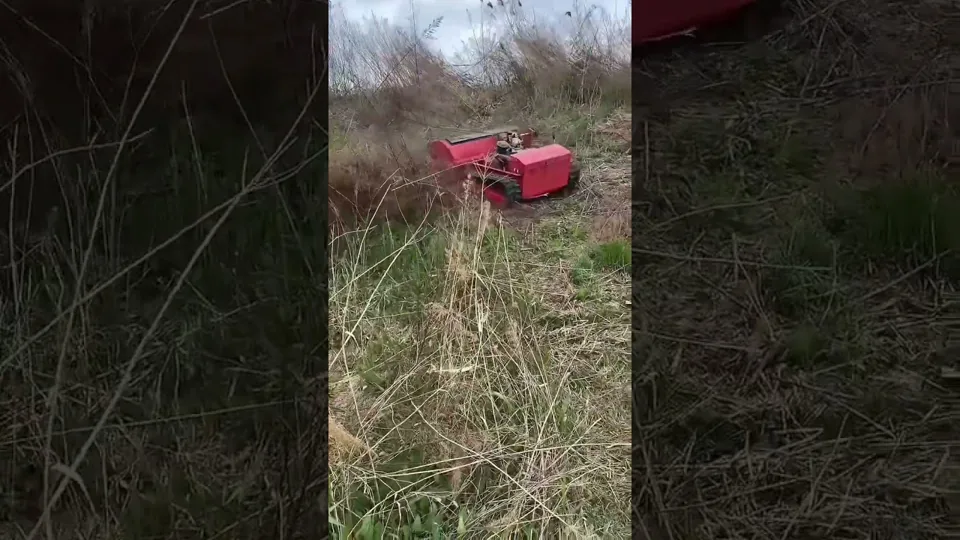
Low-clearance sites need the 500 mm T series. Sites with taller panels and heavy spring growth often suit a flail model. See remote mowers for low-clearance solar farms and our guide to vegetation height limits.
Turn the calendar into a work plan
- Split the site into zones by growth rate and access.
- Set a target height and trigger height for each zone.
- Mark restricted dates and fire-season dates.
- Estimate hours per cut from your own trial.
- Book operators and machines for the spring peak first.
For more on daily output, see our guide to remote mower daily capacity.
Keep records through the year
A simple log makes next year’s plan better. For each zone, record the cut date, grass height before and after, hours worked and any hazards. After one full season, you will know which zones grow fastest and where the machine slows down. You can then move cuts to where they matter most.
Records also help with contract reporting. Many O&M contracts ask for proof that height limits were kept. Photos with dates, taken at the same points each time, are an easy way to show it.
What to send MERI
- Site area and number of zones.
- Lowest panel edge and row spacing.
- Grass type and growth peaks.
- Contract height limit and restricted dates.
- Number of units and destination country.
Not sure which model fits? Try the MERI remote mower selector.
Frequently asked questions
How many times a year should a solar farm be mowed?
It depends on climate, grass type and the height limit in your contract. Sites with a strong spring flush often need more cuts in spring and early summer, and fewer in winter.
What if nesting rules stop mowing in spring?
Cut before the restricted period starts, so the grass is short going in. Agree any exceptions, such as around inverters, with your ecologist.
When should I cut for fire safety?
Before the local fire season begins, and again if regrowth dries out. Keep fuel low around inverters, fences and access tracks.
Can one mower cover a large site?
It depends on site size and growth. MERI flail product pages list 4,000–6,000 m²/hour by model, but real output depends on the site. Plan with your own trial figures.
Planning a solar mowing season?
Send your site size, panel heights and grass type. MERI will suggest a model and quote for O&M contractors and dealers.
Need a mower recommendation for your terrain or project?
Get a Quote