Short answer: Spring growth arrives all at once. Prepare machines in winter, list sites by priority, plan the first cuts by growth rate, book any contractors early, and give slopes and banks to a remote machine so the team can keep up on flat areas.
In winter
- Update site lists and maps.
- Train new staff.
- Service machines, test remotes and batteries, and order wear parts (see the checklist below).
Priority list
| Priority | Sites |
|---|---|
| 1 | Safety: sightlines, paths, sports surfaces |
| 2 | High-visibility amenity areas |
| 3 | Banks and verges |
| 4 | Low-use areas |
First cuts
The first cut of the year is often in tall, wet grass. Raise the height and plan more time per site.
Banks and slopes
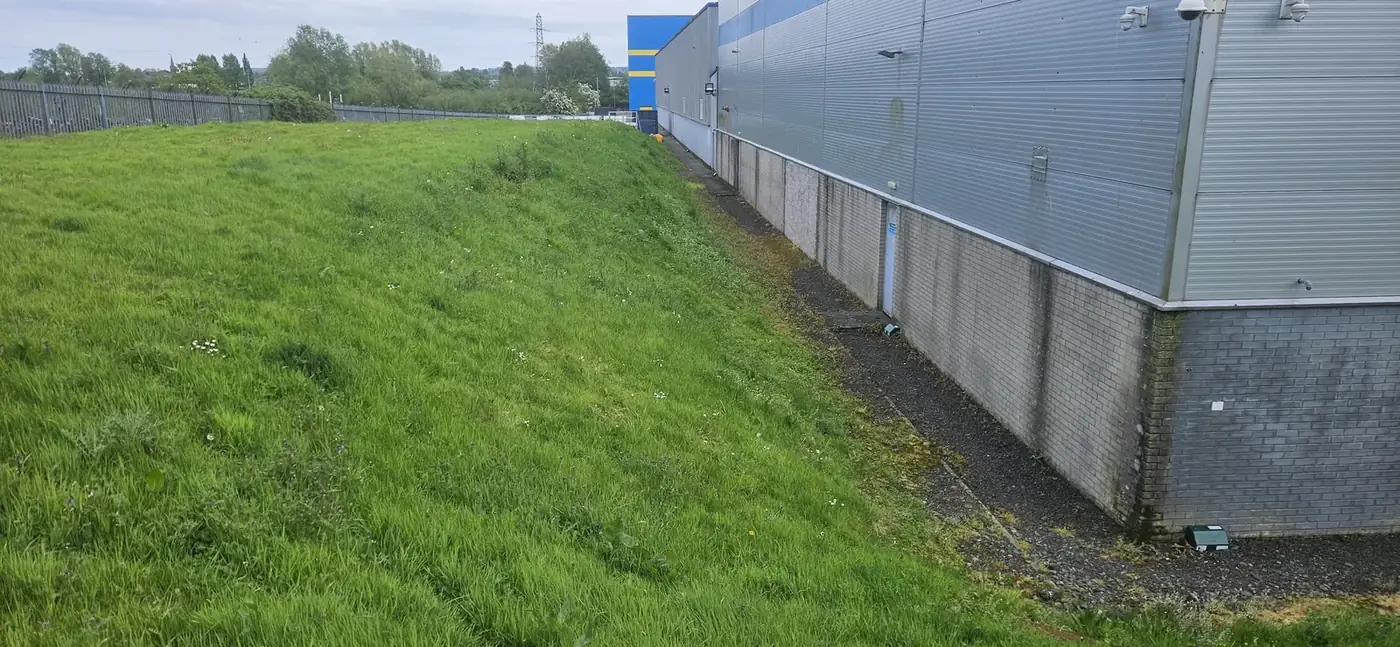
Banks slow crews down most. A tracked remote mower rated to 45° can work them while the team works flat sites. Use the mowing time calculator to estimate hours.
Review in summer
Record where you fell behind and adjust staff and machines for next spring.
Staffing
Spring is when seasonal staff start. Train them before the first growth flush on the machines they will use, the sites they will work and the safety rules. Pair new staff with experienced ones for the first weeks. Remote machines need specific training on the controls, stop functions and safe distances.
Contractors
If contractors cover part of the work, book them early and agree the priority list and quality standard in writing. Banks and slopes are often the first jobs handed to contractors; a team with its own remote mower can bring some of that work back in-house.
A winter-to-spring timeline
| When | Task |
|---|---|
| Early winter | Service machines; list parts to order |
| Mid winter | Order parts; update site list and maps |
| Late winter | Train staff; test remotes and batteries; book contractors |
| First growth | First cuts at a higher height; priority 1 sites first |
| Full growth | Regular rounds; banks on fixed days |
| Early summer | Review: where did the team fall behind? |

Worked example: hours for the first round
Say the team has 30 sites. The first cut in tall, wet grass takes longer than a normal round. If a normal round is 120 hours, plan the first round at a higher figure based on last year’s records, and put banks on the remote mower so they run at the same time as flat-site work.
For banks, count passes: bank height divided by cutting width, plus one, times length. A 10 m bank with a 1,000 mm deck needs about 11 passes. Use the time calculator with your measured speed.
Winter machine checklist
- Change oil and filters as the manual directs.
- Check blades or flails, bolts and belts.
- Check track tension and running gear.
- Test the remote and the stop function.
- Charge and test batteries.
- Order wear parts before the season, not during it.
Planning for weather days
Spring always loses days to rain. Build one spare day into every two weeks of the plan. On wet days, send the team to work that does not need dry ground: servicing, edging hard surfaces, litter picks and planning the next round.
Keep the remote mower for banks on the first dry day. Slopes are the work most affected by wet ground, so they are the first to fall behind.
Common mistakes
- Leaving machine service until the grass is already growing.
- Planning the first round at normal-round hours.
- Training new staff after they start cutting.
- Booking contractors too late, when everyone is busy.
When the team falls behind
Even with a plan, a wet spell can put the team behind. Decide in advance what gives way first: low-use areas and some banks can wait a round, while safety sightlines, paths and sports surfaces cannot. Write this into the priority list so supervisors do not have to decide under pressure. Record the days lost and how long it took to catch up; that figure helps when asking for extra staff or machines next year.
Related MERI pages
Frequently asked questions
When should grounds teams prepare for spring?
In winter, with machine service and site planning.
What should be cut first?
Safety areas such as sightlines, paths and sports surfaces.
How should the first cut be done?
Raise the height and allow more time.
How can banks be kept up?
Give them to a remote mower.
Send us your site details
Tell us the job, area, slope and country. MERI replies within 24 hours.
Need a mower recommendation for your terrain or project?
Get a Quote