
Short answer: Mow the grass short first, wait until the soil is moist but crumbly, start with a shallow pass, then go deeper on the following passes. Sod breaks into clumps; let them dry and pass again. Expect weeds from the seed bank and plan follow-up cultivation.
Step 1: mow
Cut the grass as short as practical and remove or mulch the cuttings. Long grass wraps around tiller tines.
Step 2: check the soil
Squeeze a handful. If it smears, it is too wet; if it is hard and dusty, it may be too dry. Moist and crumbly is right.
Step 3: passes
| Pass | Depth | Aim |
|---|---|---|
| 1 | Shallow | Break the sod |
| 2 | Deeper | Mix and loosen |
| 3 | Working depth | Even seedbed |
Clumps and roots
Sod leaves clumps. Let them dry a few days, then pass again. Perennial weed roots may need removing by hand.
Stones
New ground often holds stones. Slow down and stop to remove large ones; they wear tines quickly.
Machines
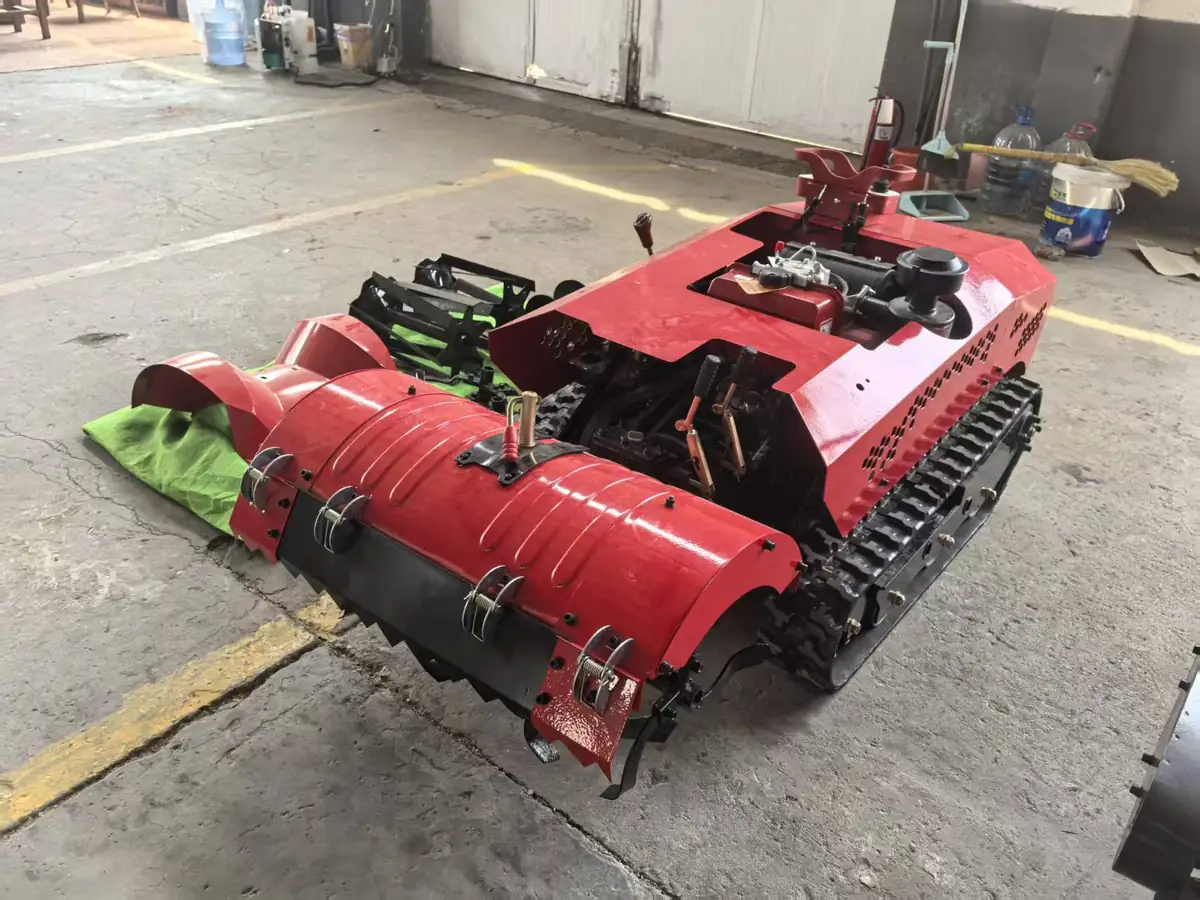
On slopes or narrow areas, a tracked carrier with a tiller head works where a tractor cannot. MERI offers the ME800RT rotary tiller and the ME-RT PRO carrier; ask MERI about working depth for your model.
Weeds after tilling
Tilling brings weed seed to the surface. A shallow pass a couple of weeks later kills the first flush before planting.
Soil care
Avoid repeated deep tilling on the same ground. It breaks down structure.
After tilling
Level the surface with a rake or harrow, firm it lightly and sow or plant when conditions suit. If the field will stay bare for a while, a cover crop protects the soil. Keep traffic off freshly tilled ground when wet.
Worked example: a half-hectare plot
| When | Task |
|---|---|
| Week 1 | Mow short; remove or mulch cuttings |
| Week 1, a few days later | First shallow pass to break the sod |
| Week 2 | Second, deeper pass once clumps have dried |
| Week 3 | Third pass at working depth; pick stones and roots |
| Week 5 | Shallow pass to kill the first flush of weeds |
| Week 5 or 6 | Level, firm and sow or plant |
Example only; soil moisture sets the real timing.
The gaps between passes matter as much as the passes. They let clumps dry and weeds sprout so the next pass kills them.
Depth and speed
| Pass | Depth | Speed |
|---|---|---|
| First | Shallow | Slow, to cut the sod |
| Second | Medium | Steady |
| Third | Working depth | Steady; slower in stony patches |
| Weed pass | Very shallow | Normal |
Ask MERI for the working depth and width of the model you are using. Do not run deeper than the job needs; it uses more power and brings up more stones and weed seed.
Seasonal notes
Spring tilling is common, but wet soil often delays it. Late summer or early autumn tilling of grass ground gives the sod time to break down over winter, ready for spring planting. Avoid tilling dry, dusty soil in summer heat; it damages structure and blows away. On slopes, leave the surface rough rather than fine if heavy rain is likely before planting.
Common mistakes
- Tilling long grass, which wraps the tines.
- Going to full depth on the first pass.
- Tilling wet soil and making clods that set hard.
- Planting straight after tilling without a weed pass.
Checks before the first pass
- Set the working depth on a test strip and measure it with a ruler.
- Check blades or tines for wear, cracks and loose bolts.
- Clear the tines of old roots and wire from the last job.
- Check the oil level in the gearbox or drive as the manual describes.
- Mark stones, pipes and drains you know about.
When to stop and come back later
If the tiller leaves large, shiny clods or the soil sticks to the blades, the ground is too wet. If it bounces and leaves dust, it is too dry. Stop, note the condition, and come back after rain or a dry spell. A wait of a few days often saves an extra pass.
Related MERI pages
Frequently asked questions
Should grass be mowed before tilling?
Yes, cut it short first.
How do I know the soil is ready?
It should be moist and crumbly, not smearing.
How many passes are needed?
Usually two or three, starting shallow.
What about weeds after tilling?
A shallow pass a couple of weeks later kills the first flush.
Send us your site details
Tell us the job, area, slope and country. MERI replies within 24 hours.
Need a mower recommendation for your terrain or project?
Get a Quote