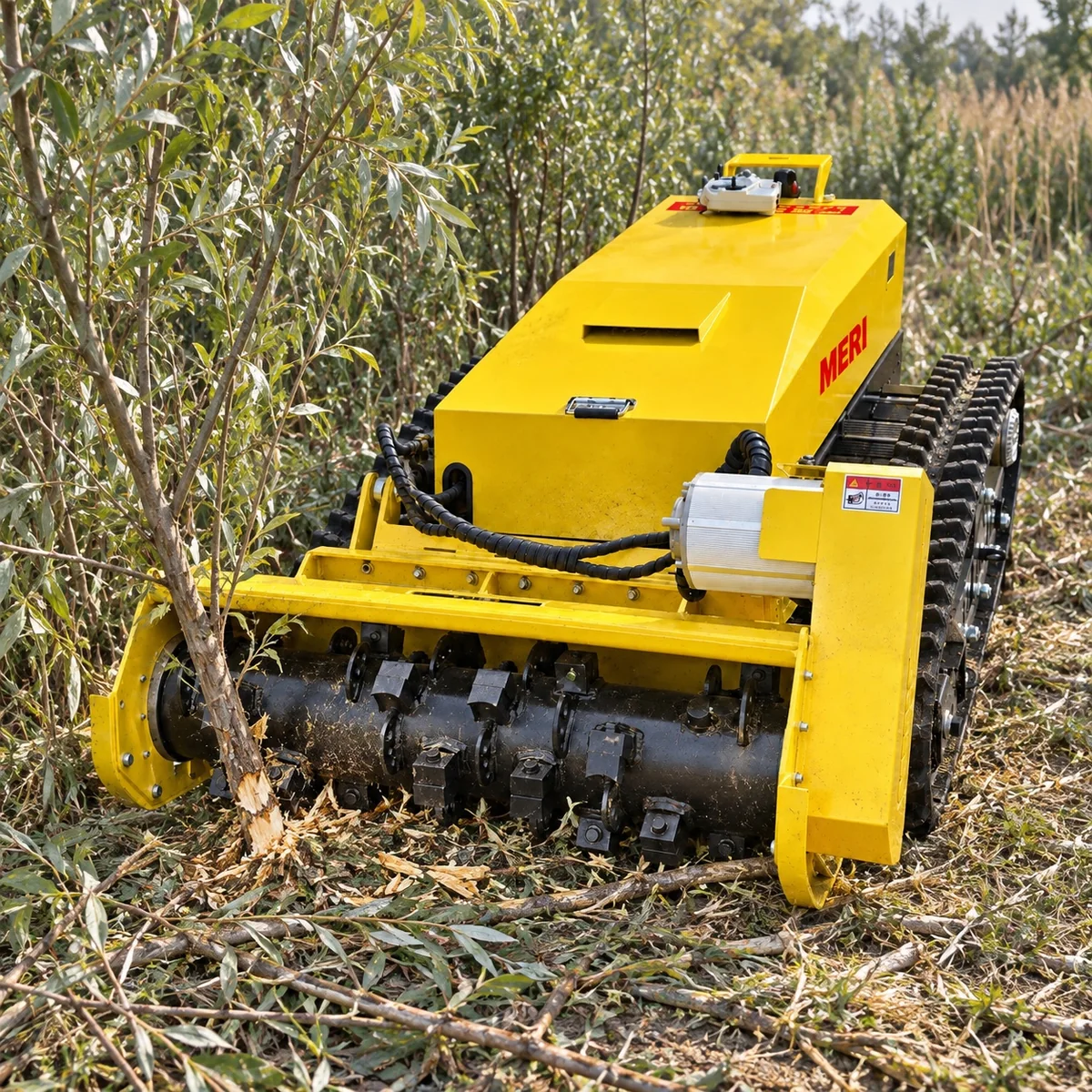
Short answer: In most cases, leave mulched material in place as a thin layer that protects the soil. Where it is thick, spread it on paths and planting areas. Keep it out of drains and watercourses, and do not move material containing invasive weed seed.
Leave it in place
A thin, even layer protects soil from erosion and breaks down over time. Avoid deep piles: they hold moisture against trunks and slow regrowth of grass.
Reuse options
| Use | Notes |
|---|---|
| Path surfacing | Woody mulch works well on informal paths |
| Planting beds | Suppresses weeds; keep off stems |
| Habitat piles | Small piles in quiet corners |
| Composting | Mix with green waste |
Where not to put it
- Drains, culverts and watercourses.
- Against tree trunks.
- On sites where it would carry invasive weed seed.
Weed hygiene
Material from invasive weeds may contain seed or root fragments. Follow local rules: some must stay on site or go to approved disposal.
Planning the job
Decide the end use before clearing so the operator can leave material where it is wanted. A remote mulcher clears 1,000 mm per pass and leaves the material on the ground.
Fire risk
On dry sites, deep piles of mulch next to fences, buildings or roads can add to fire risk. Spread material thinly, keep it back from structures and avoid large piles in fire-prone seasons. Where fire risk is high, follow the local fuel management guidance.
Communicating with residents
Freshly mulched areas can look untidy for a few weeks. A short notice explaining why the material was left in place, and that it protects the soil and breaks down over time, avoids complaints. Neat edges along paths help the area look managed.
Deciding the end use before the job
| Site type | Usual end use | Instruction to the operator |
|---|---|---|
| Park edge or reserve | Leave thin in place | Spread evenly; no piles |
| Informal path network | Path surface | Leave on path lines; keep edges neat |
| New planting area | Weed-suppressing layer | Keep off stems and young trees |
| Drain or creek bank | Keep clear of water | Throw material away from the channel |
| Invasive weed patch | Contain or dispose as rules say | Do not spread off the patch |
Write the end use on the work order. The operator can then decide pass direction and where to leave material without stopping to ask.

Layer depth and spreading
A thin layer protects soil and breaks down. A deep layer smothers grass and holds water against trunks. Where material is heavy, make a second pass to spread it or move some to paths and beds.
- Thin layer over the cleared ground: leave.
- Heavy piles behind the head: spread with a second pass.
- Material against trunks, fences or walls: pull back.
- Material at drain inlets: remove the same day.
A worked example: one reserve
Say a council clears a 0.5 ha patch of shrub regrowth beside a walking path. The ME-RFM1000 works 1,000 mm per pass, so a 50 m wide patch takes about 50 passes plus overlap. Most material stays as a thin layer. Material from the first metre beside the path is pushed back from the edge so walkers have a clean line, and the drain at the low end is checked before the crew leaves.
Public access during and after the job
Keep the public out of the work area while the machine runs, and mark the boundary clearly. After mulching, walk the area for sharp stem ends near paths, cut them flush and rake mulch off paths and drains.
Tell residents when the area is open again.
Common mistakes
- Leaving deep piles that look like dumping.
- Letting material block drains after the next rain.
- Moving weed-infested mulch to another site.
- Not telling residents why the material was left.
Before and after records
Take photos from fixed points before clearing, straight after, and again a few months later. Note the layer depth, any spread to paths or drains, and how fast grass returns. These records answer resident questions, show what the contract delivered, and help set the right instruction for the next site of the same type.
Related MERI pages
Frequently asked questions
Should mulch be left after clearing?
Usually yes, as a thin layer that protects the soil.
Can mulch go on paths?
Yes, woody mulch works on informal paths.
Where should mulch not go?
Drains, watercourses and against tree trunks.
What about invasive weeds?
Follow local rules; some material must stay on site or go to approved disposal.
Send us your site details
Tell us the job, area, slope and country. MERI replies within 24 hours.
Need a forestry mulcher recommendation for your terrain or project?
Get a Quote