
Short answer: Clear buddleia while it is young and before it seeds in late summer. A remote mulcher or heavy flail handles young plants and thickets on steep embankments, but stumps resprout, so plan follow-up. On railway or road land, work only under the infrastructure owner’s rules and permits.
Why buddleia spreads so fast
Buddleia, the butterfly bush, is a common sight on railway cuttings, road embankments, old walls and brownfield land across the UK and Ireland. It grows fast on dry, disturbed, stony ground.
Each plant produces huge amounts of tiny wind-blown seed. Moving trains and traffic carry the seed along the corridor. A few plants on a bank can become a dense scrub band in a few years.
Timing
| Time of year | Plant stage | Clearing value |
|---|---|---|
| Late winter to spring | Leafing out | Good: no seed |
| Early summer | Flower buds | Good: clear before flowering |
| Late summer | Flowering, then seed | Clear before seed if possible |
| Autumn and winter | Seed heads on plants | Avoid spreading seed; bag heads if practical |
Check nesting bird rules before clearing scrub in the breeding season.
Bird nesting season matters on any scrub clearing in the UK and Ireland. Check for nests and follow the site owner’s ecology advice.
Young plants versus established thickets
Seedlings and young plants come out easily. A heavy flail mower cuts thin stems; MERI flail models cut from 30 to 300 mm. Established buddleia has thick, woody stems that need a forestry mulcher. The ME-RFM1000 range clears a 1,000 mm path and handles stems up to 30 cm under suitable conditions.
Stumps and regrowth
Buddleia resprouts from cut stumps. A single clearance will not finish the job. Many land managers combine cutting with stump treatment or repeat visits. MERI does not advise on chemicals; follow the label and site rules.
A follow-up pass the next summer removes regrowth and new seedlings before they flower.
Working on infrastructure land
Railway and highway land has strict access, safety and permit rules. MERI does not advise on those rules. Work only under the infrastructure owner’s procedures, with the protection, possession or traffic management they require.
- Agree the work area, access point and protection with the owner.
- Walk the slope for hidden cables, troughs and drainage.
- Keep the machine and debris well away from the running line or carriageway.
- Check that thrown debris cannot reach people or traffic.
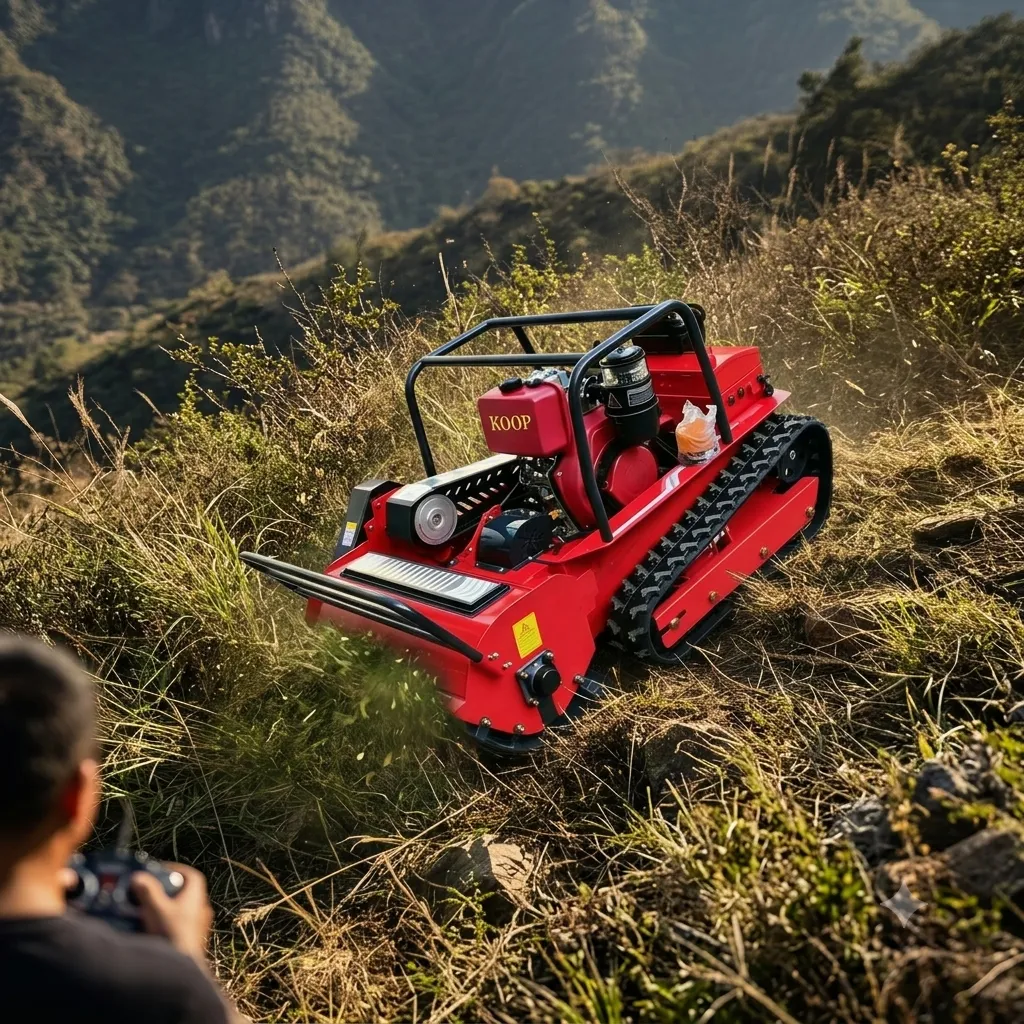
A remote tracked machine keeps the operator off the slope itself. MERI tracked machines are rated to 45°, though the ME-RFM1000-E works up to 35°. The standard remote range is 800 m, and the machine stops if the signal is lost.
Why early clearing pays
Buddleia is cheap to deal with when it is small and expensive when it is big. A seedling pulls out by hand. A three-year-old plant needs a flail. A ten-year-old thicket needs a mulcher and stump work. Roots also push into walls, ballast and drainage over time.
For estate managers and contractors, a yearly walk of the embankments, with young plants removed on the spot, keeps the bigger jobs from building up. Record where young plants appear. They usually cluster near the seed source, which is often an older plant on a neighbouring site.
Common mistakes
- Clearing in late summer and spreading seed along the corridor.
- Cutting stumps and not returning for regrowth.
- Leaving heaps of cut material on drainage ditches.
- Working without confirming the owner’s access rules.
- Missing nests in dense scrub during breeding season.
A short method statement agreed with the site owner prevents most of these.
Records that help
For each embankment, record the date, the area cleared, the size of plants removed and any stumps left for follow-up. Photograph from fixed points. Over a few seasons, the records show whether the bank is getting cleaner and where seed keeps arriving from. They also help when the site owner asks for evidence of the work done, and when a new contractor takes over the corridor.
Choosing diesel or electric
The ME-RFM1000-D diesel suits long days on remote embankments. The ME-RFM1000-E electric is quieter, which helps near homes and stations, and suits shorter sessions near a charging point.
Related MERI pages
- Remote mowers for railway vegetation
- ME-RFM1000-E electric mulcher
- ME-RFM1000-D diesel mulcher
- Blackthorn and hawthorn scrub encroachment
- Remote control mowers in the UK
- Erosion control after mulching slopes
Frequently asked questions
When is the best time to clear buddleia?
Before it flowers and seeds, usually from late winter to early summer. Check for nesting birds before clearing scrub.
Will buddleia grow back after cutting?
Yes, it resprouts from stumps. Plan follow-up visits and follow site rules on stump treatment.
Can a remote mulcher clear buddleia on railway cuttings?
It can clear the plants, but only under the railway owner’s rules and permits. Keep machine and debris away from the line.
Can a flail mower cut buddleia?
Young, thin plants, yes. Established woody plants need a forestry mulcher.
Send us your site details
Tell us the job, area, slope and country. MERI replies within 24 hours.
Need a forestry mulcher recommendation for your terrain or project?
Get a Quote