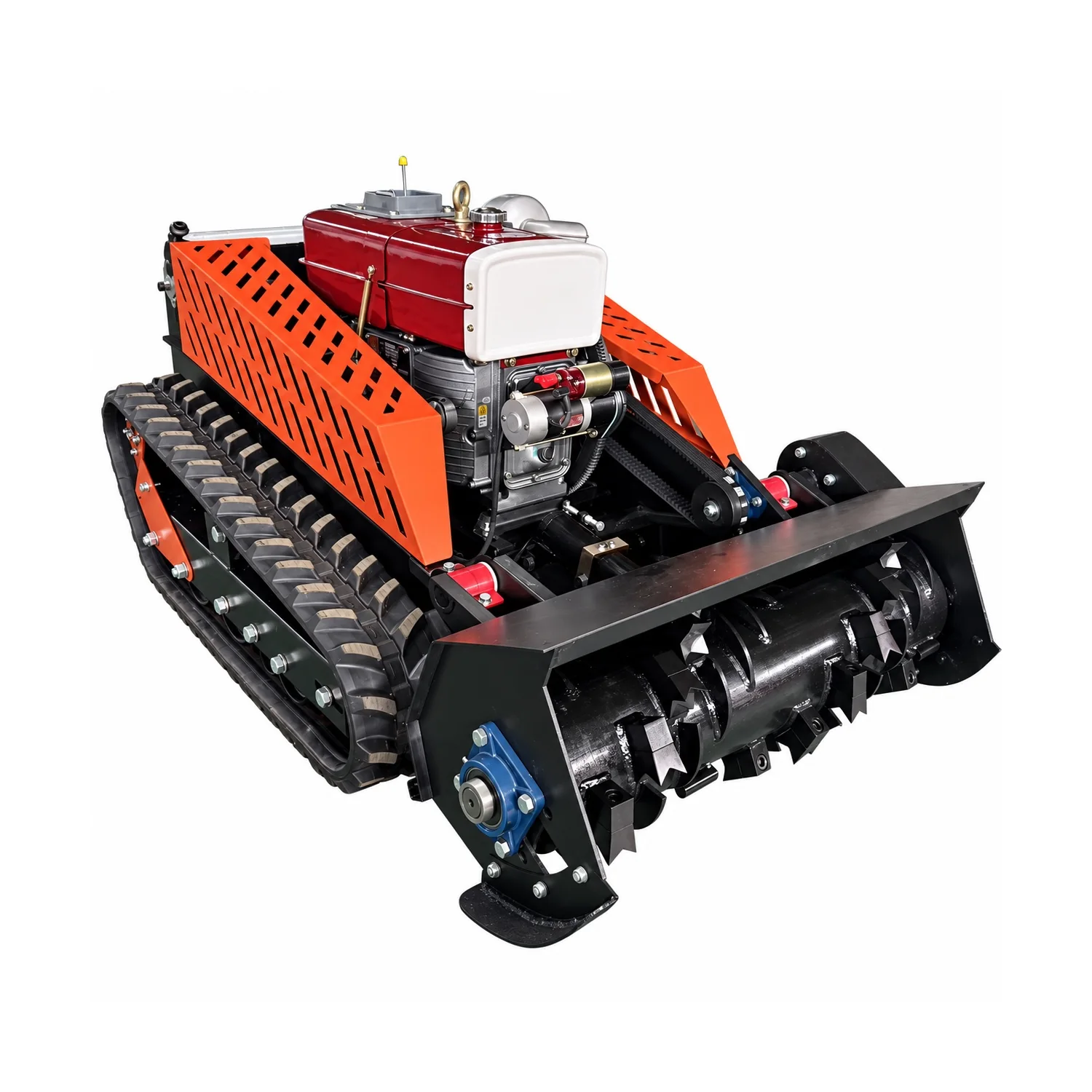
Short answer: Huisache is a thorny, multi-stem tree that invades pasture. A forestry mulcher clears young and medium stands well and keeps the operator away from the thorns. Larger trees should be felled first. Huisache resprouts after top removal, so plan follow-up cuts and pasture management to keep it from coming back.
What huisache does to pasture
Huisache grows quickly on open pasture and forms clumps of thorny stems. As it spreads, grazing area shrinks and livestock and machinery find it hard to move through. Thorns also puncture tyres on wheeled equipment.
Plan by stem size
| Stand | Approach |
|---|---|
| Seedlings and young regrowth | Flail mower or mulcher passes |
| Medium multi-stem trees | Mulcher; one clump at a time |
| Trees over 30 cm at cutting height | Fell with a chainsaw first |
| Scattered large trees | Consider whether to keep some for shade |
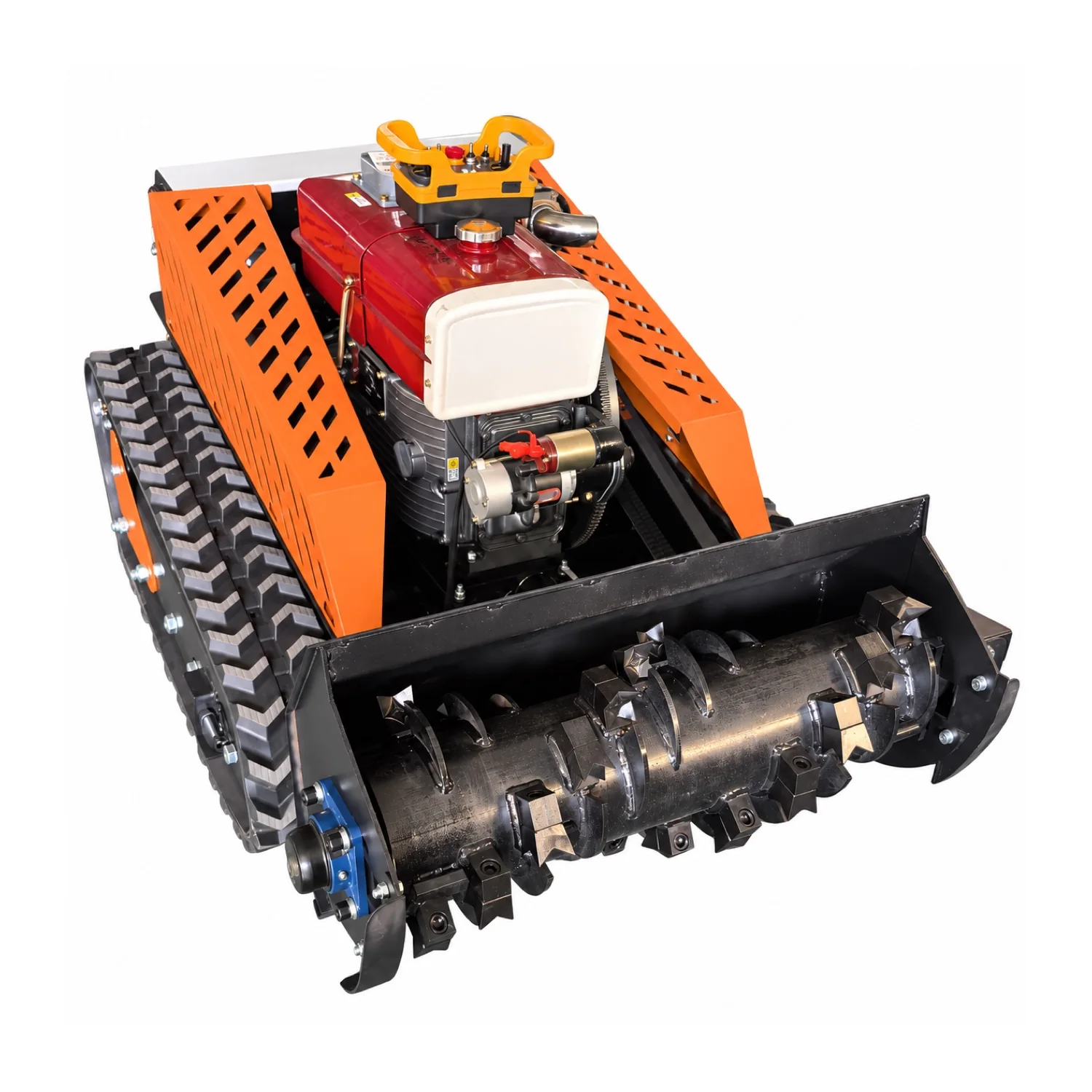
The ME-RFM1000 series is rated for trees and branches up to 30 cm under suitable conditions.
Working method
Work each clump from the outside in. Mulch the outer stems, then the centre. Mulch to near ground level where the ground allows, which reduces stubs that injure stock. Keep the rotor clear of wrapped bark. Tracked machines avoid the tyre punctures that thorny debris causes.
Resprouts after top removal
Huisache that is cut or mulched often resprouts from the base. A pasture can look clean for a season and then fill with young, thorny shoots. Cut regrowth while it is young, before thorns harden and stems thicken. Mark resprouting clumps on the field map for the next visit.
Keeping the pasture open
- Mow regrowth while it is young and soft.
- Check field edges and fence lines each year for new seedlings.
- Work with the owner on grazing and pasture care that keeps grass cover strong.
- Record cleared areas on a map so follow-up visits are efficient.
A remote flail mower can top young regrowth and pasture weeds in the same visit. MERI flail models cut 800–1,200 mm wide.
Crew safety
Thorns injure hands and eyes. Ground crews should wear heavy gloves, long sleeves and eye protection. Keep everyone out of the throw zone while the mulcher runs.
Quoting
Time a sample of typical clumps. Price felling of large trees separately. List follow-up cuts as repeat items. Show the owner the map of cleared and remaining areas after each visit.
A worked example
A cattle pasture has scattered huisache clumps and a dense patch near a stock tank. The owner wants the pasture open but a few large trees kept for shade. The crew maps the clumps and the kept trees. Two trees over the size range are felled. The mulcher clears the clumps one at a time, mulching close to the ground. The quote includes a regrowth cut in the next season and a yearly check of the fence lines.
Recognising it on the site walk
- Fine, feathery leaves made of many tiny leaflets.
- Paired thorns along the stems.
- Small, round, yellow flower heads in late winter or early spring, with a strong scent.
Note clumps near water, fences and gates first. They are the most awkward to work around and the most valuable to clear.
Working around stock tanks and water lines
Huisache often grows thick near stock tanks and troughs, where the ground is soft and pipes may be buried. Ask the owner where the water lines run and mark them. Keep the tracks off soft ground at the tank edge, and clear that area in the driest part of the year. Leave a hand-cut strip around troughs and floats.
Showing progress to the owner
Give the owner a simple map after each visit: cleared clumps, kept trees and areas still to do. On a large ranch it turns a long programme into visible steps. Note the date and the machine hours on each map.
For US sites
Diesel models are not supplied to the US market. For jobs in the US, ask MERI about the electric ME-RFM1000-E, which climbs 45° and works on slopes up to 35°. Its remote range is 200 m, so plan where the operator stands before work starts.
Common mistakes
- Leaving sharp stubs that injure stock.
- Clearing once and not checking for regrowth.
- Letting crews work without eye protection.
Related MERI pages
- ME-RFM forestry mulcher FAQ
- ME-RFM1000-D diesel mulcher
- Mesquite clearing with a mulcher
- Clearing brush land for pasture
- Remote mowers for farms and pasture
Frequently asked questions
Can a mulcher clear huisache?
Yes, young and medium stands. Larger trees should be felled first.
Will huisache come back after mulching?
It often resprouts. Plan follow-up cuts and pasture care.
Why use a tracked mulcher on thorny pasture?
Tracks avoid the tyre punctures that thorny debris causes, and the operator stays out of the brush.
Should I keep some trees?
Some owners keep scattered trees for shade. Agree this before work starts.
Send us your site details
Tell us the job, area, slope and country. MERI replies within 24 hours.
Need a forestry mulcher recommendation for your terrain or project?
Get a Quote