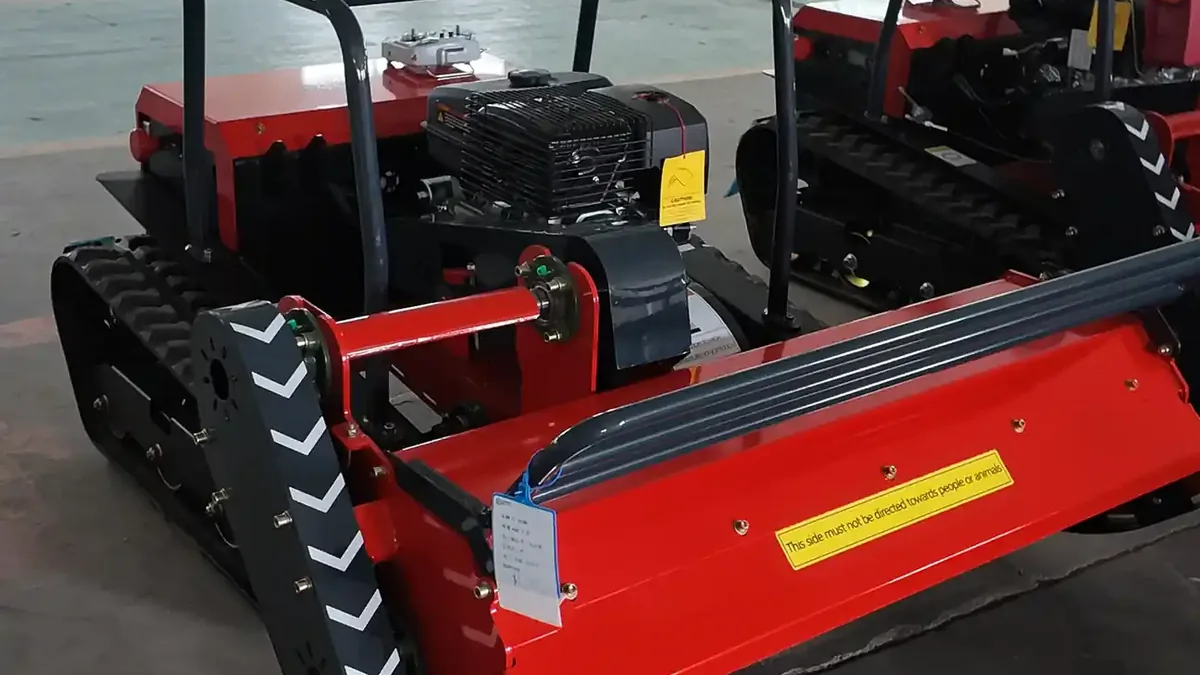
One remote mower can be enough for a small, predictable route. A contractor with several crews, changing vegetation and scattered sites has a different problem: which jobs need a remote machine, when can it move between them, and what happens if it is unavailable? Fleet planning starts with the work, not a target number of units.
Map the Work Before Choosing the Fleet Size
Build a simple list of recurring properties and one-off contracts. For each, note the cutting area, dominant vegetation, slope angle and ground surface, narrow gate widths, overhead obstacles, public bystanders, local site rules, travel distance between properties, and seasonal work windows. Separate work that genuinely suits a remote mower from work better handled by standard tractors, handheld brushcutters, or zero-turn mowers. A promotional photograph or advertised slope figure is never a safe substitute for a physical site assessment. The correct machine configuration depends on the actual job requirements and the delivered machine operating instructions.
Consider how site conditions evolve across seasons. A dry, sparse meadow in July might become a water-logged, tangled mat of high weeds by October. Mapping these seasonal shifts helps you decide when work is suitable and which approved equipment and transport method to evaluate.
Separate Jobs by Machine Role and Site Profile
An orchard row, a broad open utility bank, and a confined industrial pond edge demand completely different access requirements and operating layouts. Never assume the same mower model or track setup is optimal across all three environments. Group sites that share similar working conditions, then evaluate what cutting system, machine width, power source, and trailer setup each distinct group requires. Use MERI’s full range comparison as a starting point for technical questions, not as proof that a single unit design suits every terrain.
Documenting these site groups also helps you assign the right operators to the right tasks. Assign each job to operators trained for the specific machine and site conditions; do not infer competence from seniority alone.
Count Every Hour of the Full Job Day
Actual cutting time is only a fraction of a paid route. To build a realistic fleet schedule, record travel time, trailer loading and unloading, site walkarounds, hazard clearance, operator safety briefings, refueling or battery charging, daily cleaning, and post-job technical checks. Use your own historical job records to estimate daily capacity. Never apply an ideal brochure productivity figure to a real-world site filled with narrow gates, steep terrain transitions, and frequent obstacle stops. If your operational window is tight, optimized vehicle routing or an additional transport vehicle may matter far more than purchasing a wider cutting deck.
Factor in crew fatigue and rotation schedules as well. Operating a remote mower safely requires sustained focus; planning adequate breaks ensures operators maintain the constant line-of-sight and hazard monitoring required on challenging terrain.
Plan for Weather Extremes and Site Access Changes
Wet clay ground, heavy morning fog, sudden storms, public events, or roadside traffic can force you to halt work unexpectedly. Give each client route a practical alternative working day and define clear, unambiguous stop conditions. A machine should never be pushed into operating conditions outside its manual limits simply to keep pace with a rigid calendar schedule. Document exactly who on your management team holds the authority to approve a changed job plan and how customers will be notified.
Establish protocols for checking weather forecasts before dispatching crews. Knowing that a heavy rain warning will turn a clay slope into a sliding hazard allows you to reassign crews to flatter turf maintenance before wasting transit time and fuel.
Match Transport Logistics to Every Route
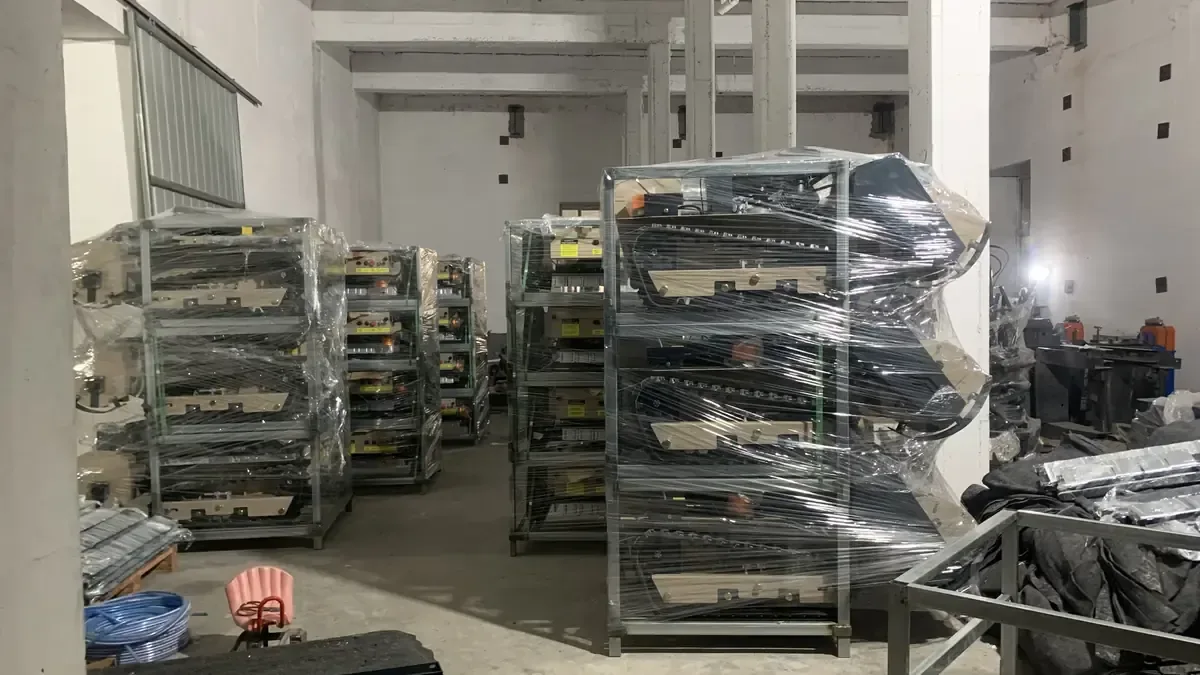
Record the exact machine weight and physical dimensions for the specific delivered build, factoring in the trailer, tow vehicle payload ratings, loading ramps, and approved tie-down equipment. Consider where your crew can park and unload safely without blocking traffic, and verify whether the machine can clear the narrowest entry point on site. A fleet can look flawless on paper but collapse operationally when two separate crews need the same heavy-duty trailer or specialized driver on the exact same Monday morning. Use our transport checklist to review each transport journey independently.
Verify that your tow vehicles comply with local commercial towing laws regarding total combined weight, braking requirements, and hitch ratings. Overloading a utility trailer creates severe liability risks on public highways.
Reserve Service Capacity Rather Than Hoping for Uptime
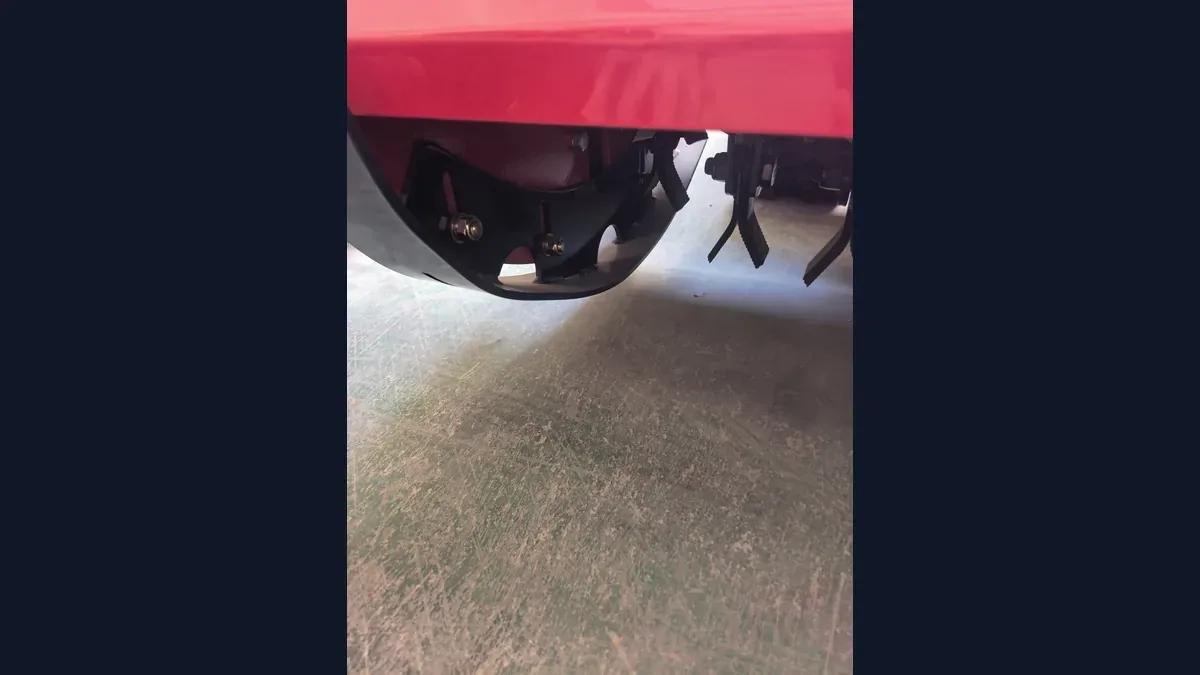
Schedule routine inspections, fluid checks, and maintenance strictly according to the delivered machine manual and engine documentation. Maintain a running log of operating hours, minor faults, replacement parts used, and total time out of service. Identify which routine wear parts—such as flail blades, belts, and filters—should be stocked locally in your shop, and understand which complex repairs require authorized technical support from your supplier. Avoid promising fixed uptime percentages or uniform service intervals across mixed equipment configurations. Our maintenance log guide helps service crews keep detailed records that inform future purchasing decisions.
Clear service records can help explain the machine history during a warranty review or customer discussion; they do not establish coverage by themselves.
Contractor Fleet Planning Reference
| Planning Question | Evidence to Record | Decision It Informs |
|---|---|---|
| Where will it work? | Measured terrain angles, vegetation type, and gate access dimensions | Optimal machine configuration and site cutting method |
| When can it work? | Contract time windows, travel distances, and local weather patterns | Route sequencing and schedule buffer time |
| Who can operate it? | Operator training records and daily crew availability | Staffing rosters and supervisory coverage |
| How will it move? | Tow vehicle capacity, trailer specs, and approved load methods | Transport equipment allocation and routing |
| What if it stops? | Shop service capacity, parts availability, and backup contract methods | Operational risk contingency plans |
Test the Real Operational Bottleneck Before Expanding
If your current job queues are backing up, find out why before buying more hardware. Is the real bottleneck an under-equipped machine, a shortage of trained operators, insufficient trailer capacity, poor route grouping, difficult site access, or excessive maintenance downtime? Run a trial with a revised schedule or restructured routes before committing capital to another mower. When evaluating a new equipment configuration, run a controlled demonstration on representative ground and document the actual results. The ultimate goal is a balanced fleet capable of delivering contract work safely and reliably, not simply accumulating the highest machine count.
Involving your frontline operators in these bottleneck reviews often uncovers simple solutions, such as changing loading order or allowing more time between distant sites.
Frequently Asked Questions
How many remote mowers does a landscaping contractor actually need?
There is no universal number. Fleet size depends entirely on documented contract jobs, real task execution times, trained crew availability, transport logistics, and your service contingency plans.
Can a single remote mower model cover every commercial contract?
Only if the exact machine configuration and detailed site assessments support every job on your list. Differing slope gradients, ground conditions, and access barriers frequently require distinct machine types or cutting methods.
Should advertised manufacturer productivity figures determine my fleet size?
No. Always base your fleet planning on measured performance gathered from representative, safely run work in your local market, and always factor in non-cutting operational time like loading and transit.
Need a mower recommendation for your terrain or project?
Get a Quote