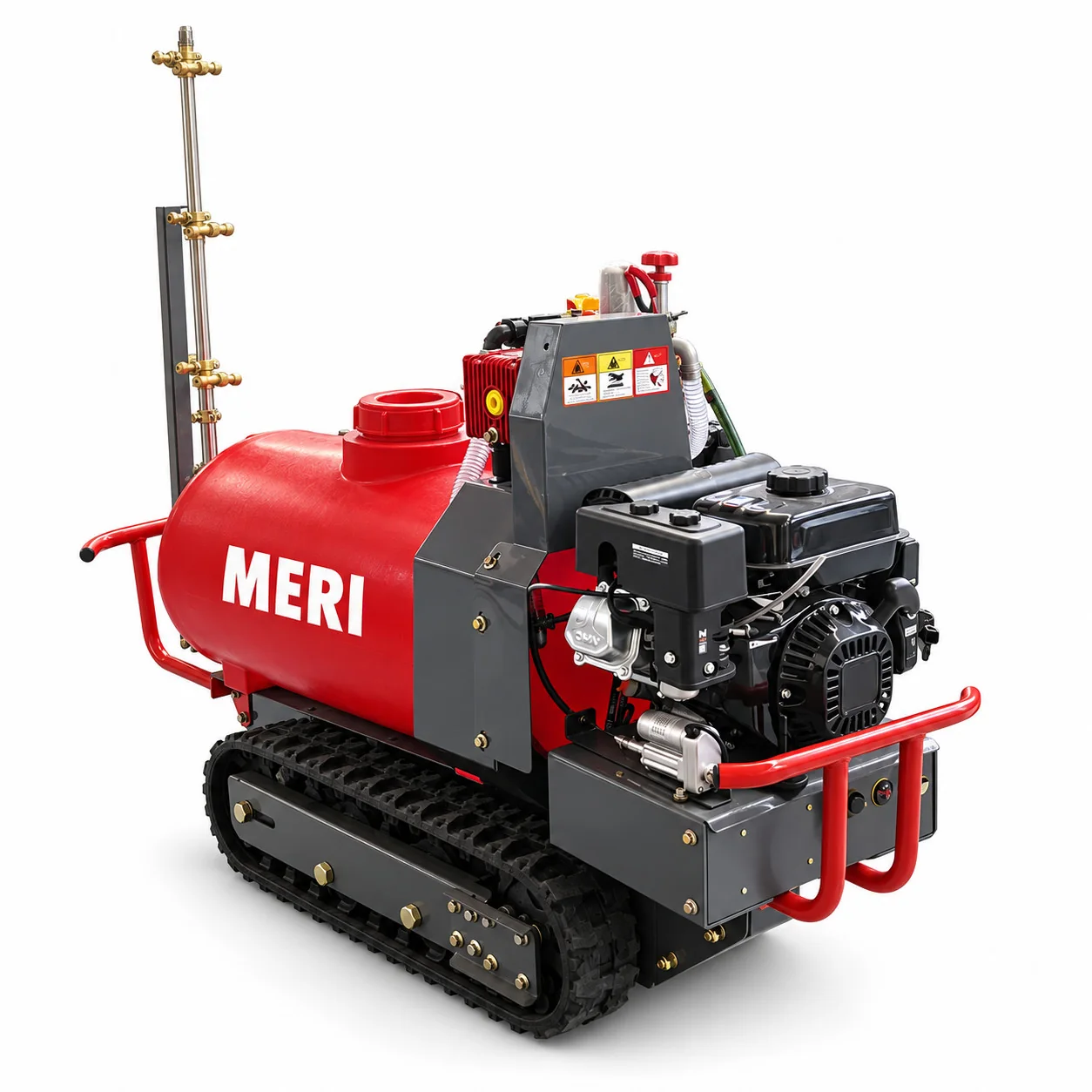
Short answer: Most sprayer pressure and nozzle problems start with dirty filters. Check the tank fill basket, suction filter, line strainer and nozzle filters on a set schedule, clean them after every job with dirty water or wettable products, and always depressurise the system and wear protection before opening any filter. Replace damaged screens.
Why filters matter
Filters protect the pump and nozzles from debris in water and spray mix. A blocked suction filter starves the pump and drops pressure. A blocked line strainer or nozzle filter gives uneven spray. Operators often blame the pump when the real cause is a dirty screen.
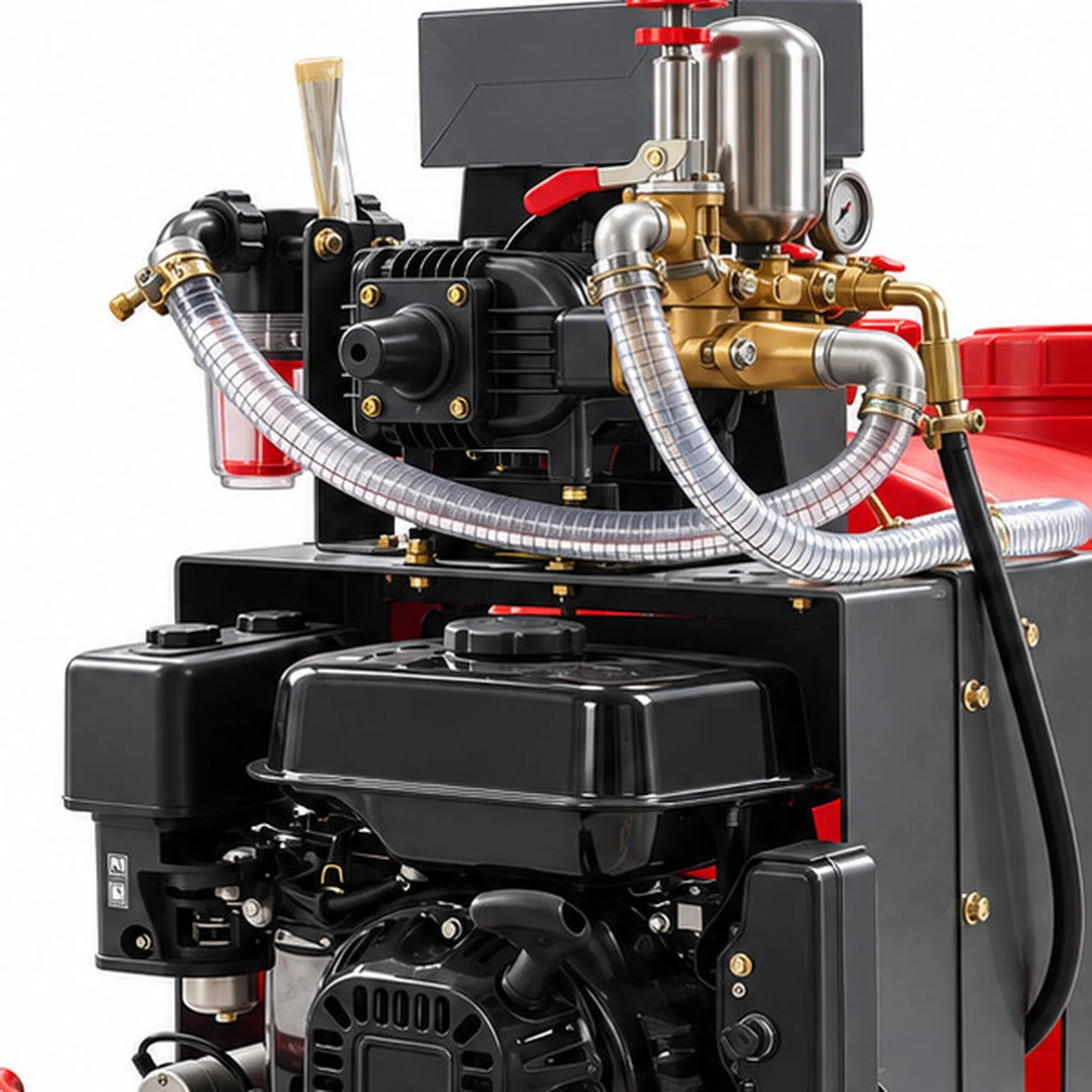
Where the filters are
| Filter | Job | Signs of blockage |
|---|---|---|
| Tank fill basket | Stops debris entering at filling | Slow filling; debris on top |
| Suction filter | Protects the pump | Pressure drop; pump noise |
| Line or pressure strainer | Protects nozzles and valves | Uneven pressure along the boom |
| Nozzle filters | Protect each nozzle tip | Single nozzle with poor pattern |
Positions and mesh sizes vary by model. Check the operator manual for your ME-RCS sprayer.
Cleaning steps
- Stop the machine and remove the key or disable the remote.
- Release system pressure before opening any filter.
- Wear gloves and eye protection; follow the product label for protective gear.
- Remove the screen and rinse it in clean water in a safe wash area.
- Use a soft brush; do not force debris through the mesh.
- Check seals and O-rings; replace if damaged.
- Refit, run clean water and check for leaks and pressure.
How often
Check the fill basket at every fill. Check the suction filter and line strainer daily in season, and after every job using dirty water or products that settle. Check nozzle filters when a nozzle pattern changes. On tracked sprayers with 100–800 L tanks, a blocked suction filter can stop a full tank being used, so check it before long runs.
Water quality
Water from ponds, ditches or tanks often carries silt and plant material. Fill from a clean source where possible and use the fill basket every time. Dirty water fills filters fast and wears the pump.
Wash water and records
Rinse filters where wash water can be handled safely, following local rules and the product label. Record filter checks with sprayer service records; it helps find patterns, such as a water source that keeps blocking screens.
Common mistakes
- Opening a filter under pressure.
- Running without the fill basket to fill faster.
- Replacing the pump when the suction filter was blocked.
- Using a damaged screen that lets debris through.
A daily filter routine in season
Start of day: check the fill basket and suction filter, and look at the pressure gauge on the first run with clean water. During the day: watch for pressure changes and uneven patterns. End of day: rinse the system with clean water, open and clean the suction and line filters, and check nozzle filters on any nozzle that misbehaved. Five minutes at the end of the day saves an hour of fault-finding the next morning.
Matching mesh to nozzles
Filters are graded by mesh size. Nozzle filters need a mesh fine enough to protect the nozzle, but a finer mesh than needed blocks faster, especially with dirty water. Follow the nozzle maker’s chart for each nozzle size, and label spare screens by mesh so the right one goes back in.
Spare screens and seals
Keep spare screens and O-rings for each filter on the machine. A damaged seal on a suction filter lets air into the line, which looks like a pump problem and drops pressure.
A worked example
A crew spraying an orchard with an ME-RCS sees pressure fall slowly through the afternoon. The nozzles look fine. The operator stops, releases pressure and opens the suction filter. It is packed with algae from the pond used for filling. After cleaning, pressure returns. The crew moves to a cleaner water source for the rest of the job and adds a suction filter check to every refill from that pond.
Related MERI pages
- ME-RCS sprayer FAQ
- Tracked sprayer pump and nozzle guide
- Sprayer nozzle clogging and cleaning
- Sprayer pump low pressure troubleshooting
- Sprayer pre-season pump and hose check
Frequently asked questions
Why does my sprayer lose pressure?
A blocked suction filter is a common cause. Check filters before blaming the pump.
How often should sprayer filters be cleaned?
Check the fill basket at each fill and the suction and line filters daily in season.
Is it safe to open a filter while spraying?
No. Stop the machine, release pressure and wear protection first.
Can dirty water damage the pump?
Yes. Silt wears pump parts and blocks screens. Use clean water and the fill basket.
Send us your site details
Tell us the job, area, slope and country. MERI replies within 24 hours.
Need a agricultural sprayer recommendation for your terrain or project?
Get a Quote