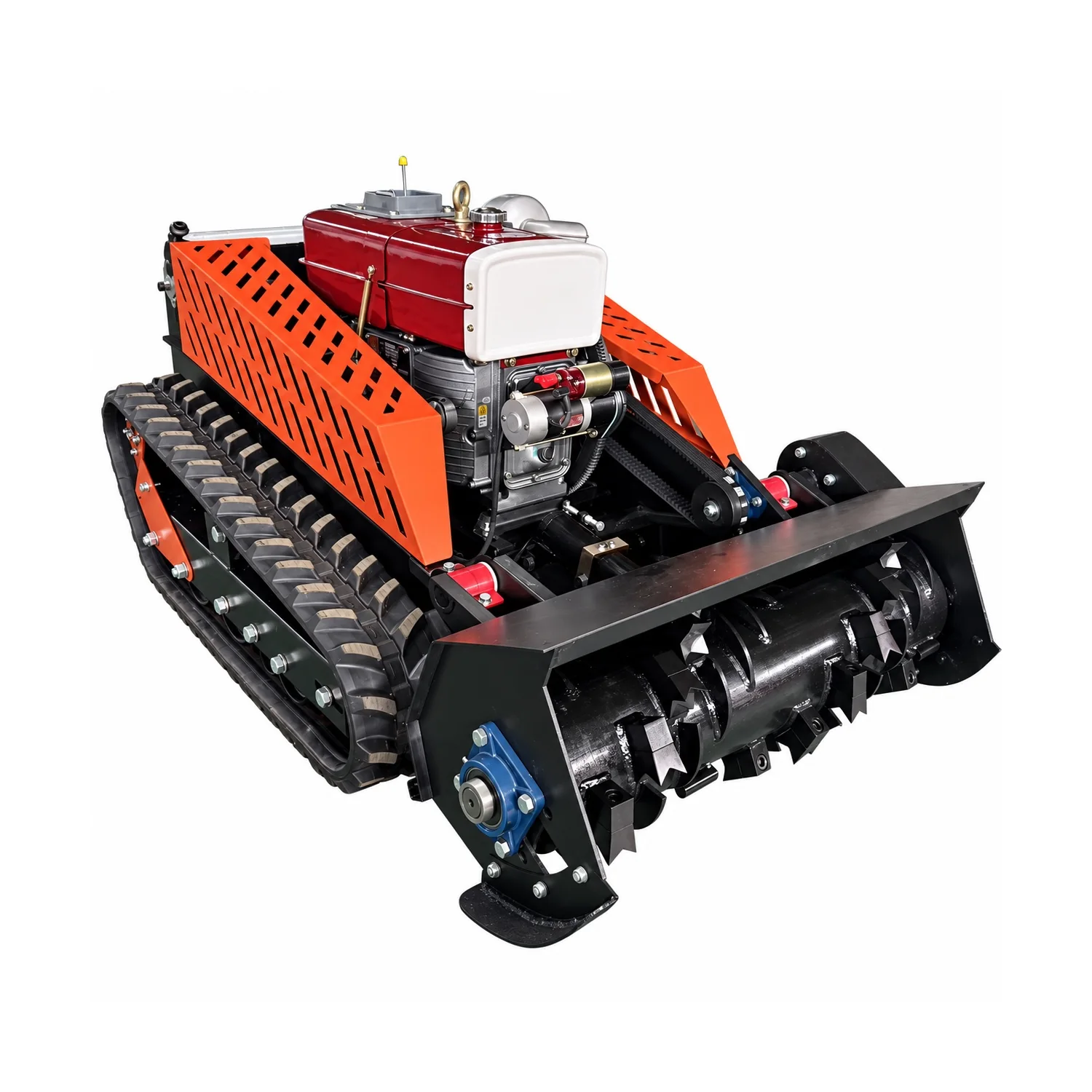
Short answer: Cutting hakea often triggers seed release from its woody fruits, so clearing must be followed by seedling control. A remote mulcher can clear dense stands on accessible slopes, but steep mountain sites often need hand crews. Plan work with the catchment programme and return before seedlings mature.
Why hakea is a fynbos problem
Several Australian hakea species have invaded mountain fynbos in the Western Cape. Silky hakea is the best known. It forms dense, spiny thickets that crowd out fynbos and reduce water flow from mountain catchments.
Hakea keeps its seed inside hard, woody fruits on the plant. When the plant is cut, dies or burns, the fruits open and release seed. That is why clearing without follow-up can make an infestation worse.
Seed release after cutting
| Situation | What happens | What to plan |
|---|---|---|
| Plants cut and left | Fruits open and drop seed | Seedling follow-up within the first year |
| Plants mulched | Fruits break up, some seed released | Follow-up as above |
| Fire after clearing | Seedlings flush after fire | Plan follow-up after burns |
| No follow-up | Dense young stand returns | Avoid this outcome |
Follow the catchment or Working for Water programme guidance where it applies.
Where a mulcher fits
Many hakea sites are on steep, rocky mountain slopes where no machine can go. Those sites belong to hand crews. A remote tracked mulcher is useful on the accessible parts: lower slopes, plateaus, firebreaks and the edges of farms and plantations.
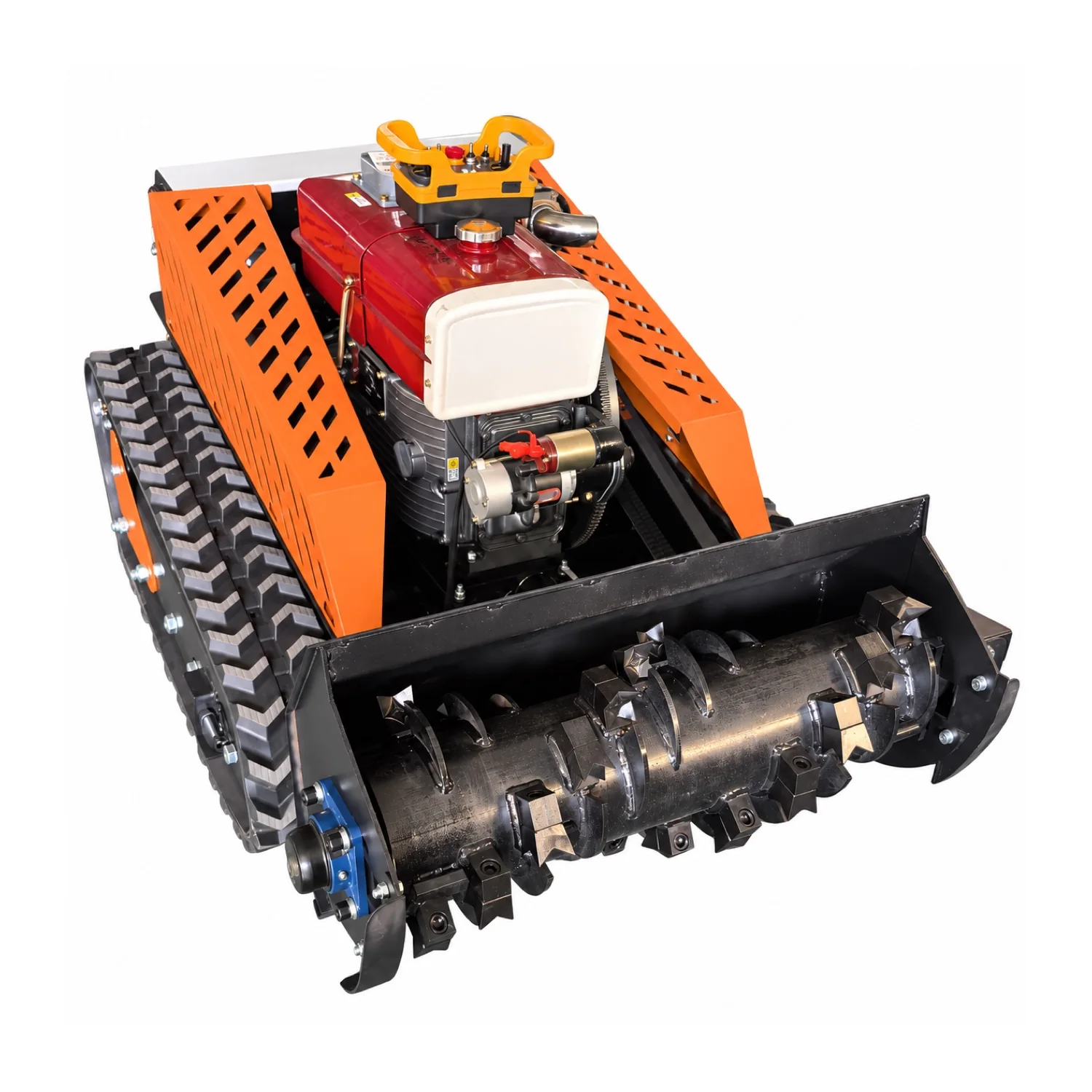
The ME-RFM1000-D clears a 1,000 mm path, handles stems up to 30 cm under suitable conditions and is rated to 45°. Hakea stems are usually well within that, but the spiny foliage is dense.
Spines and debris
Hakea leaves are needle-like and sharp. A remote machine keeps the operator out of the thicket.
- Wear eye protection and gloves when cleaning the machine.
- Clear spiny debris from track rollers after each session.
- Check the rotor for wrapped material and damaged teeth.
- Keep people well back from the cutting area.
Fire timing
Fire is part of fynbos ecology, and fire also triggers hakea seed release. Clearing programmes often plan the sequence of clearing, burning and follow-up together. Agree the plan with the landowner, the fire protection association and the catchment programme before starting. MERI does not advise on burning.
Follow-up
Seedlings must be removed before they produce seed of their own. Plan the first follow-up within months of clearing and repeat until no new seedlings appear. Young seedlings can be pulled by hand or cut. A flail mower can work accessible flat areas.
Planning a clearing block
Clearing programmes usually split a catchment into blocks. Each block has a first clearing date and follow-up dates. A remote mulcher fits blocks with firm access and moderate slopes. Hand crews take the steep, rocky blocks.
- Map blocks by slope, access and density.
- Assign mulcher blocks and hand-crew blocks.
- Set follow-up dates for every block before clearing starts.
- Agree fire risk management with the landowner and fire association.
- Record each block’s clearing and follow-up dates.
The follow-up dates matter most. A cleared block with no follow-up can return thicker than before.
Common mistakes
- Clearing dense hakea and not returning for seedlings.
- Leaving cut plants with seed-bearing fruits in a pile.
- Taking a machine onto rock and scree beyond its safe ground.
- Clearing just before a planned burn without agreeing the sequence.
Each of these can undo months of work. A written block plan prevents them.
Machine care in fynbos
Fynbos sites are stony, dry and dusty. Check teeth and holders at every break, because stones wear them quickly. Blow out the air filter and cooling system each day. Spiny debris packs into the track frames; clear it with the machine off. Record hours and wear, so the next season’s parts order matches real use on your ground. Carry a spare set of teeth and bolts on remote jobs.
Logistics in the mountains
Mountain sites are far from workshops. Bring wear parts, filters and fuel for the full session. The ME-RFM1000-D diesel suits remote sites with no power. Record hours, sites and wear each day, so you can plan parts for the next season.
Related MERI pages
- Clearing invasive alien plants in South Africa
- Wattle and acacia regrowth after fire
- Wilding pine mulching
- ME-RFM1000-D diesel mulcher
- Remote control mowers in South Africa
- Mulcher teeth wear and replacement
Frequently asked questions
Why does cutting hakea release seed?
Hakea stores seed in woody fruits that open when the plant is cut, dies or burns. Clearing must be followed by seedling control.
Can a remote mulcher clear hakea on mountain slopes?
On accessible slopes within its rating, yes. Very steep, rocky mountain sites are hand-crew work.
When should I follow up after clearing hakea?
Within months, and repeatedly until no new seedlings appear. Seedlings must not reach seeding age.
Which MERI mulcher suits remote fynbos sites?
The ME-RFM1000-D diesel, rated to 45°, because most sites have no power.
Send us your site details
Tell us the job, area, slope and country. MERI replies within 24 hours.
Need a forestry mulcher recommendation for your terrain or project?
Get a Quote