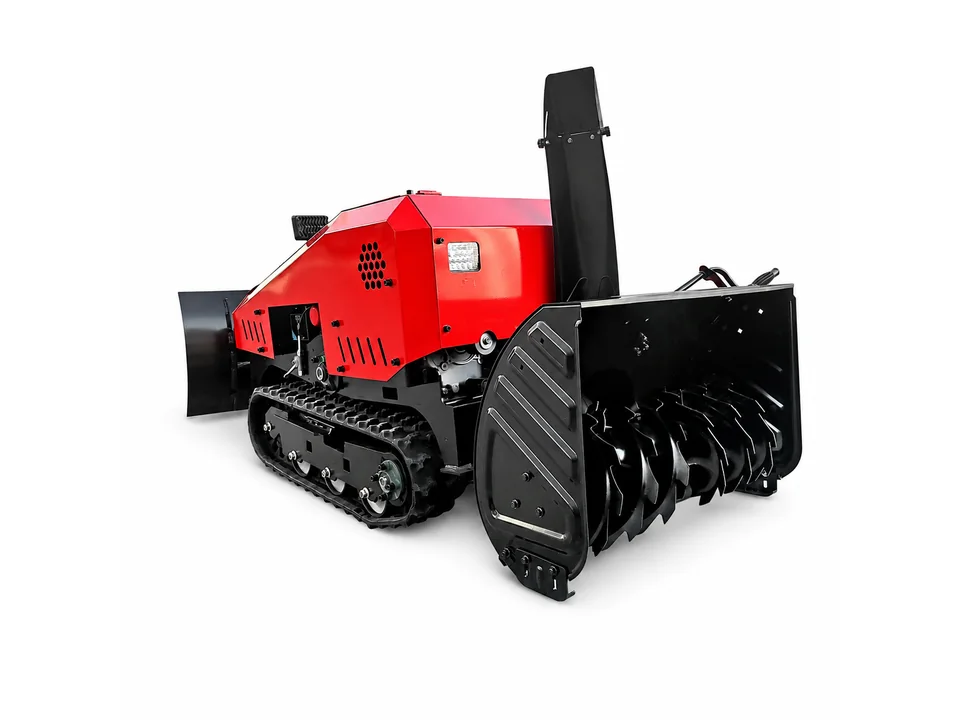
Short answer: Contractors who run both mowing and snow work keep crews employed all year and spread overheads. Pair a mowing fleet with snow machines, hand over storage and service between seasons, and line up snow contracts with the same clients as summer work.
Why combine
Mowing machines sit idle in winter, and snow equipment sits idle in summer. Crews and yards cost money all year. Combining the two keeps people and premises busy.
Machine mix
| Season | Machines |
|---|---|
| Spring–autumn | Remote mowers, flail mowers, mulchers |
| Winter | Remote snow machines, ploughs |
Seasonal handover
- End of mowing: clean, service and store mowers.
- Start of winter: test snow machines and stock parts.
- End of winter: store snow machines with fuel drained.
- Start of spring: service mowers.
Same clients
Councils, property managers and HOAs that buy summer mowing often need snow work. Offering both makes renewals easier.
Staff
Train staff on both machine types before each season, including the remote controls and stop functions.
MERI range
MERI makes remote tracked mowers, mulchers and the ME-RS snow machine. Ask about combined orders.
Planning
Use the mowing time calculator and the snow clearing time calculator to plan hours for both seasons.
Cash flow
Mowing income peaks in summer and snow income in winter. Running both evens out cash flow and makes it easier to keep skilled staff. Seasonal snow contracts paid monthly help further.
Worked example: a 12-month calendar
| Months | Main work | Fleet task |
|---|---|---|
| Early spring | First cuts; last storms | Service mowers; store snow machines |
| Late spring to summer | Mowing peak | Mowers in daily use |
| Autumn | Final cuts; leaf work | Service and store mowers; test snow machines |
| Winter | Snow clearing | Snow machines in use; mowers in storage |
Adjust months to your climate.
The handover months are the busy ones in the workshop. Book them in the calendar so servicing does not slip.
Shared yard and workshop
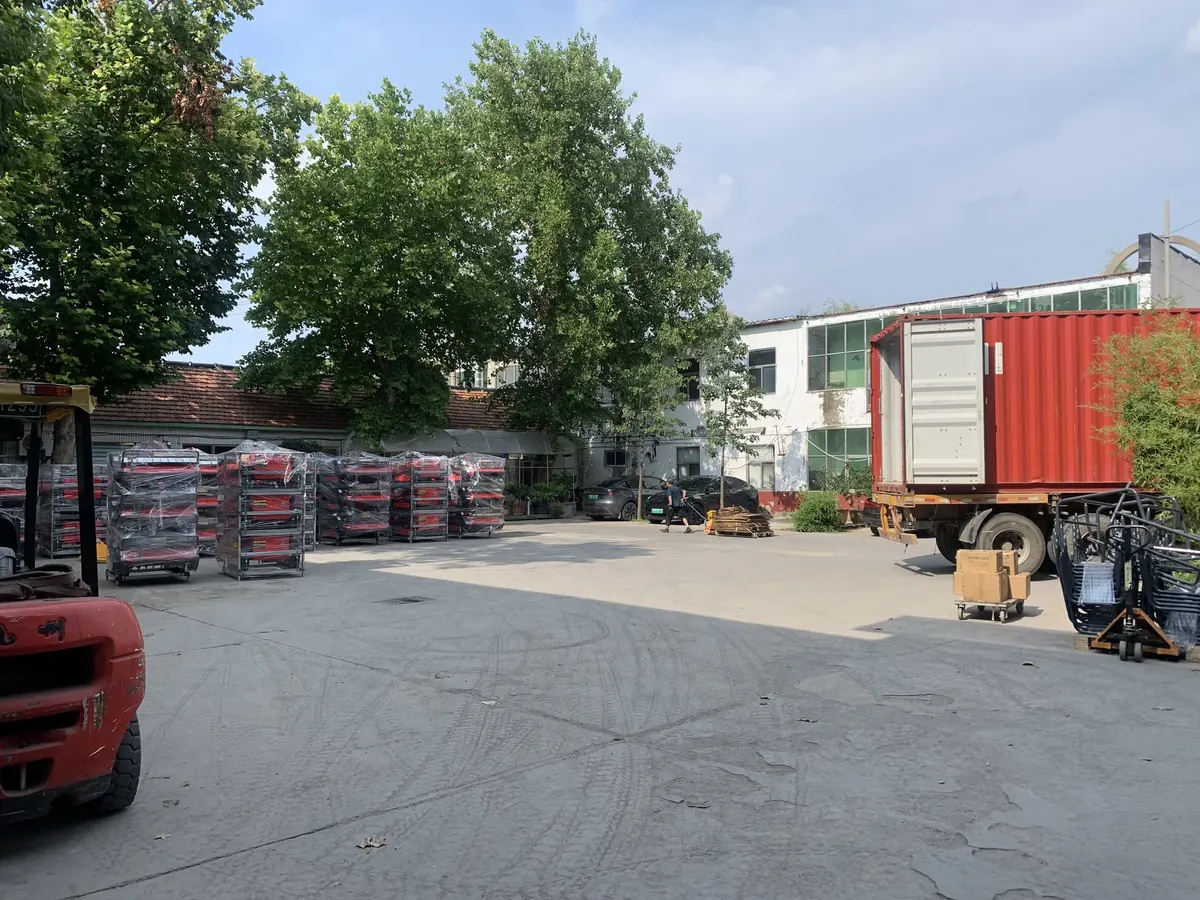
Running both seasons from one yard means one set of premises, tools and parts shelves. Store the off-season fleet at the back and the active fleet near the gate. Keep separate parts bins for each fleet and a single service log. Staff who know both machine types can move between jobs as weather changes.
Questions before adding snow work
- Do your mowing clients also buy snow clearing?
- Can your crew be on call at night and early mornings?
- Do you have storage near the sites?
- What trigger depths and response times do clients expect?
- Which sites need compact machines for walks and ramps?
Common mistakes
- Storing mowers with fuel in the tank because snow season started early.
- Testing snow machines on the first storm day.
- Pricing snow work without allowing for standby time.
- Training staff on only one fleet.
Selling both services
Clients who buy summer mowing already know your crew and your reporting. Offer snow clearing in the same renewal, priced as a separate schedule with its own triggers and response times. Show the compact snow machine for walks and ramps, and the same photo log they get in summer. MERI makes remote tracked mowers, mulchers and the ME-RS snow machine, so one supplier can cover both fleets.
Tracking hours across both seasons
When one machine works all year, service needs to follow the hours, not the calendar.
| Record | Mowing season | Snow season |
|---|---|---|
| Hours worked | Per job and per week | Per storm |
| Service due | By hour count from the manual | By hour count, plus a pre-season check |
| Wear parts | Blades, belts, tracks | Augers, scraper edges, tracks |
| Cleaning | Grass and dust after each day | Salt and grit after each storm |
One log for both seasons shows the true hours a machine has worked.
Plan the main service in the gap between seasons, when no client is waiting.
Working out utilisation
Utilisation shows whether adding the second season is paying off. Divide the hours a machine worked by the hours it could have worked.
| Item | Example figure |
|---|---|
| Hours available in the year (working days × shift hours) | 1,500 h |
| Mowing hours logged | 600 h |
| Snow hours logged | 150 h |
| Utilisation = (600 + 150) ÷ 1,500 | 50% |
Example only. Use the hours from your own logs.
Compare the figure with the same machine in a mowing-only year. If snow work adds hours without pushing service into the busy season, it is helping.
Related MERI pages
Frequently asked questions
Why combine mowing and snow work?
To keep crews and equipment busy all year.
What is the seasonal handover?
Service and store one fleet as the other comes out.
Do the same clients buy both?
Often, such as councils and property managers.
Does MERI make snow machines?
Yes, the ME-RS remote snow machine.
Send us your site details
Tell us the job, area, slope and country. MERI replies within 24 hours.
Need a mower recommendation for your terrain or project?
Get a Quote